Why are domestic cats genetically incapable of tasting anything sweet
Ever wonder why your cat is totally unimpressed by your favorite desserts? From a prehistoric genetic glitch to a missing taste receptor, discover the evolutionary secret that makes our feline friends biologically "blind" to the world of sugar.

Too Long; Didn't Read
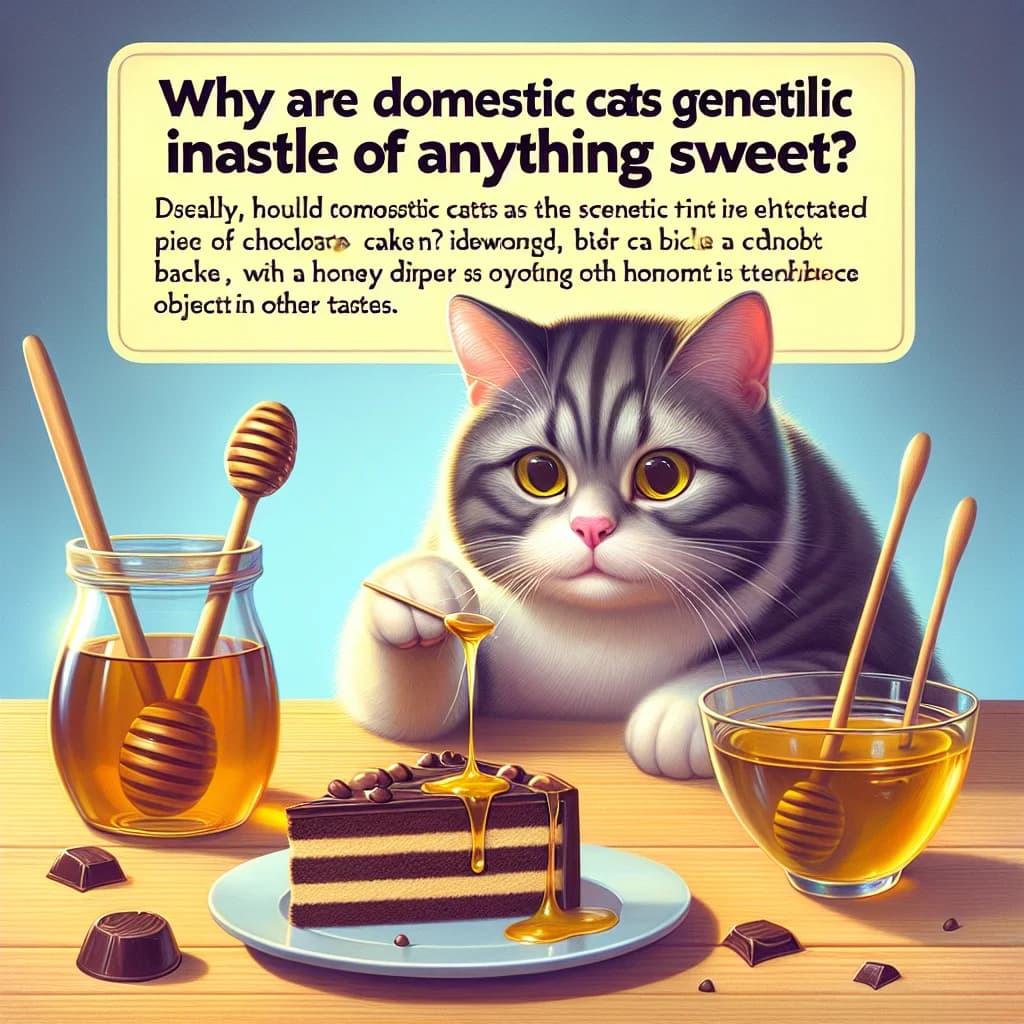
Cats lack a functional Tas1r2 gene, which is essential for building sweet taste receptors. As obligate carnivores that evolved to rely on animal protein rather than carbohydrates, they lost the evolutionary need to detect sugars, making them genetically indifferent to sweets.
The Science of the Savory: Why Are Domestic Cats Genetically Incapable of Tasting Anything Sweet?
While humans often find it impossible to resist a sugary dessert, your feline companion lives in a world entirely devoid of sweetness. You may have noticed that while your dog might beg for a piece of fruit or a lick of a cookie, your cat remains largely indifferent to sugary treats. This isn't just a matter of "finicky" feline behavior; it is a fundamental biological reality. Understanding why are domestic cats genetically incapable of tasting anything sweet is essential for every cat owner, as it sheds light on their unique evolutionary journey and their specific nutritional requirements. This post will explore the genetic mutation that redefined the feline palate and what it means for the health of our domestic hunters.
The Genetic Defect: The Missing T1R2 Protein
Taste is a complex sensory process mediated by receptors on the tongue. In most mammals, the ability to taste sweetness depends on two specific proteins—T1R2 and T1R3—which combine to form a "sweet receptor." When sugar enters the mouth, it binds to these receptors, sending a signal to the brain that says, "This is sweet."
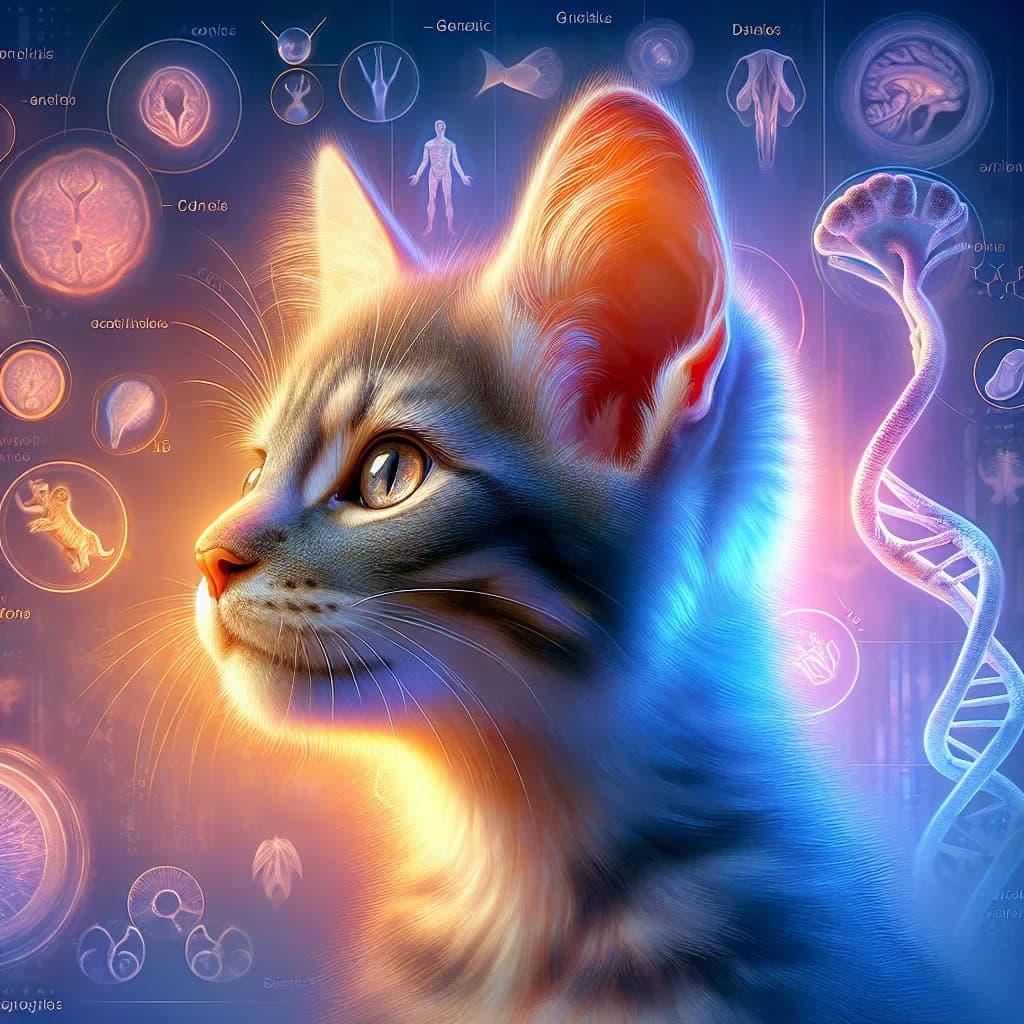
However, research led by the Monell Chemical Senses Center discovered that all felids, from the tabby on your lap to the lions of the Serengeti, lack a functional T1R2 protein. The gene responsible for this protein, known as Tas1r2, has become what scientists call a "pseudogene."
What is a Pseudogene?
A pseudogene is a segment of DNA that resembles a functional gene but has mutated to the point that it can no longer produce a working protein. In cats, a deletion of 247 base pairs in the Tas1r2 gene prevents the sweet receptor from ever forming. Because the receptor is incomplete, sugar molecules simply have nowhere to dock, making cats "sweet-blind."
Evolutionary Context: The Obligate Carnivore
The loss of the sweet tooth is not an accidental flaw; it is a reflection of the cat’s status as an "obligate carnivore." This term refers to animals that must eat meat to survive and have no biological requirement for plant matter or carbohydrates.
Throughout evolutionary history, the ancestors of domestic cats focused exclusively on animal protein and fat. Because their diet contained almost zero sugar, there was no evolutionary pressure to maintain the ability to taste it. Over millions of years, the Tas1r2 gene was allowed to drift and mutate because it provided no survival advantage.
Comparison with Other Species
- Dogs: As omnivores, dogs have functional T1R2 and T1R3 receptors and enjoy sweet flavors.
- Bears: While related to carnivores, bears eat significant amounts of berries and honey, thus retaining a strong sweet-tasting ability.
- Cats: By specializing as apex predators, they traded the ability to taste sugar for a heightened ability to taste things humans cannot, such as Adenosine Triphosphate (ATP), a compound that signals the presence of meat.
Why Do Some Cats Seem to Like "Sweet" Foods?
Owners often point to cats that enjoy ice cream or yogurt as evidence that their pet can taste sugar. However, animal behaviorists and veterinarians suggest that cats are attracted to other components of these foods:
- High Fat Content: Cats are highly sensitive to the texture and smell of fats.
- Temperature and Texture: The mouthfeel of creamy or cold substances is often appealing.
- Amino Acids: Some dairy products contain specific amino acids that mimic the savory profiles cats naturally crave.
Practical Implications for Feline Nutrition
Understanding that cats cannot taste sweetness is vital for responsible husbandry. Since cats lack the machinery to taste sugar, they also lack the metabolic pathways to process large amounts of carbohydrates efficiently.
- Avoid Sugary Treats: Feeding cats foods high in corn syrup or sucrose is counterproductive; they cannot appreciate the flavor, and it can lead to obesity and feline diabetes.
- Check the Label: Look for high-protein, moderate-fat diets with minimal carbohydrate fillers.
- Consult a Professional: Always discuss dietary changes with a veterinarian to ensure your cat’s specific life-stage needs are met without unnecessary sugars.
Conclusion
The fact that domestic cats are genetically incapable of tasting anything sweet serves as a fascinating reminder of their specialized evolutionary path. By losing the Tas1r2 gene, cats solidified their role as the world’s most dedicated carnivores. For owners, this knowledge is more than just a biological trivia point; it is a guide for better care. By respecting their "sweet-blindness" and providing a diet focused on high-quality animal proteins, we can support the long-term health and vitality of our feline companions. When it comes to treats, remember: your cat isn't looking for sugar—they are looking for the savory essence of the hunt.