Why are pet parrots completely immune to the burning heat of spicy chili peppers
While a single habanero would leave you gasping for milk, your parrot can snack on the world's hottest peppers with total indifference. Discover the fascinating biological "superpower" that allows birds to enjoy the fire of chili peppers without feeling a hint of heat.

Too Long; Didn't Read
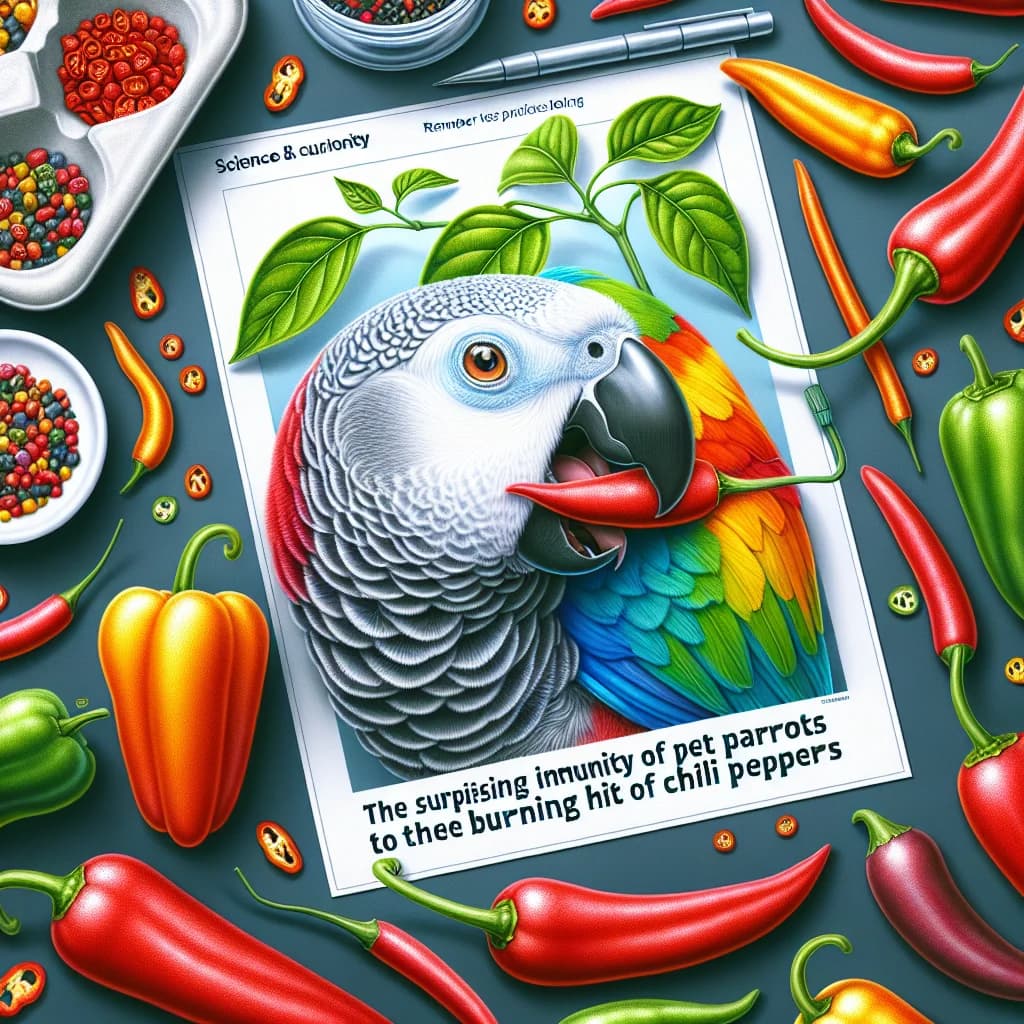
Parrots lack the specific nerve receptors sensitive to capsaicin, the chemical responsible for the heat in chili peppers. This evolutionary adaptation allows birds to eat the peppers and disperse seeds through their droppings without feeling any pain, whereas the burning sensation serves to deter mammals.
The Science of Spicy: Why Are Pet Parrots Completely Immune to the Burning Heat of Spicy Chili Peppers?
Imagine biting into a bright red habanero pepper. For a human, the result is an immediate, searing heat, watery eyes, and a desperate reach for a glass of milk. However, if you offer that same pepper to a pet parrot, they will happily munch away without a single flinch. This striking difference in reaction is not a matter of "toughness" or learned behavior; it is a fascinating biological phenomenon rooted in deep evolutionary history. Understanding why are pet parrots completely immune to the burning heat of spicy chili peppers provides essential insight into avian physiology and how we can better provide for our feathered companions through diverse, nutritious diets.
The primary educational focus of this post is to explore the specific neurological and evolutionary mechanisms that allow birds to consume capsaicin—the active component in peppers—without discomfort, and the nutritional benefits this provides.
The Chemistry of Heat: Capsaicin and the Mammalian Response
To understand why parrots are immune to spice, we must first understand what makes a pepper "hot." The culprit is a chemical compound called capsaicin, a vanilloid produced by plants in the genus Capsicum. In mammals, capsaicin binds to a specific protein called the TRPV1 receptor (Transient Receptor Potential Vanilloid 1), located on pain-sensing nerve fibers.
The TRPV1 receptor's natural job is to detect high temperatures and acid, signaling the brain to register a sensation of burning pain. When a mammal eats a chili pepper, the capsaicin molecules trick these receptors into sending a "heat" signal to the brain, even though no physical burn is occurring. This is why our mouths feel like they are on fire when we consume spicy food.
The Avian Difference: Receptors Without the "Lock"
The reason why are pet parrots completely immune to the burning heat of spicy chili peppers lies in the structure of their TRPV1 receptors. While birds possess these receptors to help them detect actual thermal heat, their version of the protein is shaped differently than the mammalian version.
- Molecular Insensitivity: Scientific research into avian neurology has revealed that the bird version of the TRPV1 receptor has a very low sensitivity to capsaicin. Essentially, the "key" (capsaicin) does not fit into the "lock" (the avian receptor) effectively.
- A Pain-Free Experience: Because the capsaicin cannot bind to the nerve endings, the "fire" signal is never sent to the parrot’s brain. For a parrot, eating a Thai bird’s eye chili is no more painful than eating a bell pepper or a piece of carrot.
An Evolutionary Strategy for Seed Dispersal
This biological immunity is not a random accident; it is a brilliant example of co-evolution. In the wild, chili plants want their seeds to be spread far and wide. Mammals, however, are generally poor "distributors." Most mammals have molars that crush seeds during mastication, rendering them infertile. Furthermore, the mammalian digestive tract is often more destructive to seeds.
Birds, on the other hand, are the ideal partners for chili plants. Parrots and other birds:
- Do not crush seeds: They often swallow small seeds whole or discard them.
- Travel long distances: Birds fly much further than a typical small mammal, ensuring the plant’s offspring are deposited far from the parent plant.
- Provide fertilizer: Seeds passed through a bird’s digestive tract are deposited with a small amount of natural fertilizer.
By producing capsaicin, the plant effectively "repels" mammals who would destroy the seeds, while remaining "invisible" to birds who will help the plant reproduce.
Nutritional Benefits and Feeding Guidelines
Knowing that parrots can eat spicy peppers is more than just a fun fact; it is a vital tool for avian husbandry. Peppers are "nutritional powerhouses" for parrots.
Key Nutrients Found in Peppers:
- Vitamin A (Beta-carotene): Essential for maintaining healthy feathers, skin, and eyesight.
- Vitamin C: Supports the immune system and tissue repair.
- Antioxidants: Help combat oxidative stress in the body.
Practical Tips for Owners:
- Variety is Key: You can offer your parrot fresh, dried, or flaked peppers. Most parrots particularly enjoy the crunchy seeds inside.
- Wash Thoroughly: Always wash fresh peppers to remove potential pesticides.
- Mind Your Own Hands: While your parrot is immune, you are not. If you chop fresh jalapeños or habaneros for your bird, be sure to wash your hands thoroughly with soap and water to avoid transferring the oils to your own eyes or skin.
- Check for Mold: Dried peppers should be stored in a cool, dry place to prevent the growth of aflatoxins, which can be harmful to birds.
Conclusion
The question of why are pet parrots completely immune to the burning heat of spicy chili peppers leads us to a remarkable intersection of biology and botany. Through a specialized TRPV1 receptor, parrots have bypassed the chemical defenses of the chili plant, turning a "painful" fruit into a nutritious staple. This evolutionary adaptation serves as a reminder of how intricately connected animals are to their environments.
For parrot owners, incorporating peppers into a bird's diet is an excellent way to provide essential vitamins and sensory enrichment. Understanding these unique biological traits allows us to appreciate our pets not just as companions, but as marvels of the natural world. As always, when introducing new foods to your pet’s diet, consult with an avian veterinarian to ensure a balanced and healthy nutritional plan.