Why can pet tortoises feel the sensation of a gentle human touch on their thick, bony shells
You might see a nearly impenetrable fortress, but to your tortoise, that thick shell is actually a sensitive network of nerves capable of feeling every gentle stroke. Discover the surprising science behind why your slow-moving friend isn't just "wearing" armor, but living inside a vibrant, feeling part of their own body.

Too Long; Didn't Read
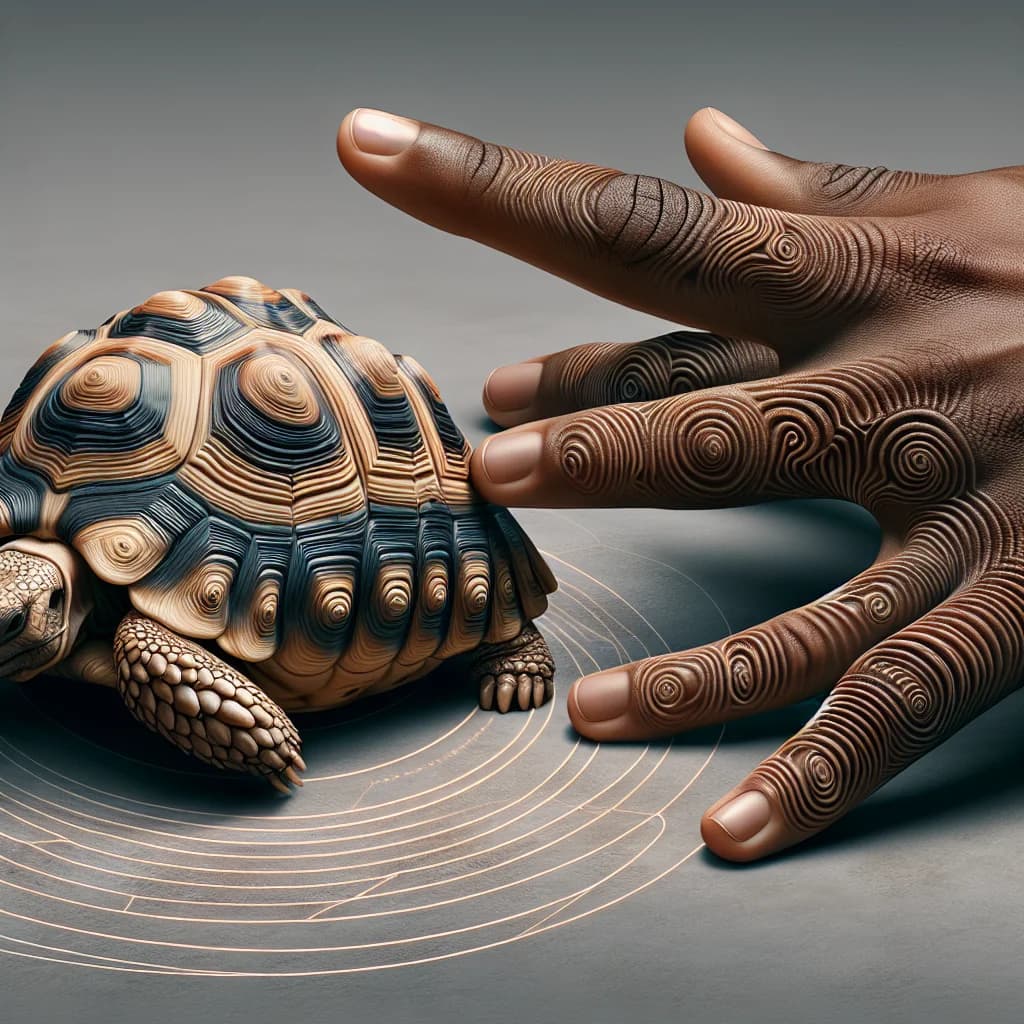
Tortoise shells are living tissue directly connected to the animal's nervous system. They contain a network of nerves and blood vessels that allow the tortoise to sense pressure, vibrations, and tactile sensations right through the bone and keratin layers.
Sensitive Shells: Why Can Pet Tortoises Feel the Sensation of a Gentle Human Touch on Their Thick, Bony Shells?
To the casual observer, a tortoise shell looks like a suit of biological armor—a hard, inert, rock-like shield designed solely for protection. Because of this rugged appearance, many people assume that touching a tortoise’s shell is akin to touching a fingernail or a piece of wood. However, tortoises are far more sensory-aware than their prehistoric appearance suggests. Understanding why can pet tortoises feel the sensation of a gentle human touch on their thick, bony shells is a fundamental aspect of responsible husbandry. Far from being a detached housing unit, the shell is a living, growing part of the animal’s anatomy, integrated into its nervous system. This post will explore the biological structures—from nerve endings to skeletal fusion—that allow these ancient reptiles to perceive tactile interaction.
The Living Anatomy of the Tortoise Shell
The most important fact to understand about a tortoise is that its shell is not a separate entity; it is a complex modification of the animal’s skeleton. The shell is composed of two main parts: the carapace (the top) and the plastron (the bottom). Unlike the "mobile homes" of hermit crabs, a tortoise cannot leave its shell because the carapace is fused directly to the animal’s spine and ribcage.
The shell itself consists of two layers:
- The Bony Layer: An inner layer of solid bone fused to the vertebrae.
- Scutes: An outer layer of keratin—the same protein found in human hair and fingernails.
Because the shell is a living part of the body, it contains a network of blood vessels and, crucially, a highly developed somatosensory system.
The Science of Sensation: How Nerves Permeate Bone
Why can pet tortoises feel the sensation of a gentle human touch on their thick, bony shells? The answer lies beneath the keratin scutes. While the keratin itself does not contain nerves, it acts as a transmitter. Just as you can feel pressure on your fingernail, a tortoise feels pressure applied to its scutes.
Beneath the scutes lies the dermis, a layer of living tissue packed with nerve endings. These nerves are connected to the tortoise’s central nervous system. When you stroke or scratch a tortoise’s shell, the vibration and pressure travel through the keratin to the nerve-rich bone and skin underneath. Research in herpetology suggests that tortoises possess "mechanoreceptors," which are specialized nerve cells that respond to mechanical pressure or distortion. This allows them to distinguish between a light caress, the pitter-patter of rain, or the aggressive bite of a predator.
Evolutionary Advantages of a Sensitive Shell
The ability to feel through a thick shell is not a biological accident; it is an evolutionary necessity. Tortoises rely on their shells for several survival functions:
- Thermoregulation: Tortoises are ectotherms, meaning they rely on external heat sources to regulate their body temperature. A sensitive shell allows them to feel the intensity of the sun or a heat lamp, helping them decide when they have reached an optimal temperature.
- Environmental Navigation: In the wild, tortoises navigate through dense brush and rocky crevices. Feeling the shell’s contact with surroundings prevents them from getting stuck or wedged in dangerous positions.
- Social Interaction and Protection: Sensitvity allows tortoises to detect the presence of other animals. Whether it is a mate nudging them or a predator attempting to find a weak spot, tactile feedback is the tortoise’s primary alarm system.
Practical Guidelines for Shell Interaction
Because we know that tortoises are sensitive to touch, pet owners should approach shell interaction with care and intentionality. Many tortoises actually seem to enjoy gentle tactile stimulation, often leaning into a scratch or "dancing" by wiggling their hindquarters.
- Be Gentle: Use soft strokes rather than firm pressure. Avoid tapping on the shell, as the vibrations can be jarring to the animal.
- Identify Preferences: Every tortoise is an individual. Some may enjoy a light scratch on the back of the carapace, while others may find it stressful. Watch for signs of retreat (withdrawing the head) as a signal to stop.
- Hygiene Matters: Since the shell is living tissue, it is susceptible to infections like "shell rot" (ulcerative shell disease). Always wash your hands before and after handling to protect both the pet and the owner.
Conclusion
The realization that a tortoise can feel a gentle touch transforms our perception of these reptiles from stoic statues into sensitive, sentient companions. By understanding that the shell is a living extension of their skeletal and nervous systems, we can better appreciate the complex biology of these long-lived creatures. Recognizing why can pet tortoises feel the sensation of a gentle human touch on their thick, bony shells allows owners to foster a deeper human-animal bond through respectful and informed physical interaction. Always prioritize the comfort of your pet, and if you notice any changes in shell texture or sensitivity, consult a specialized exotics veterinarian to ensure your tortoise remains healthy and thriving.