Why do adult domestic cats meow almost exclusively to communicate with humans rather than with other cats
Ever wondered why your cat has a lot to say to you, but almost nothing to say to other cats? Discover the fascinating reason adult felines "hacked" their kittenhood vocalizations to create a secret language reserved exclusively for humans.

Too Long; Didn't Read
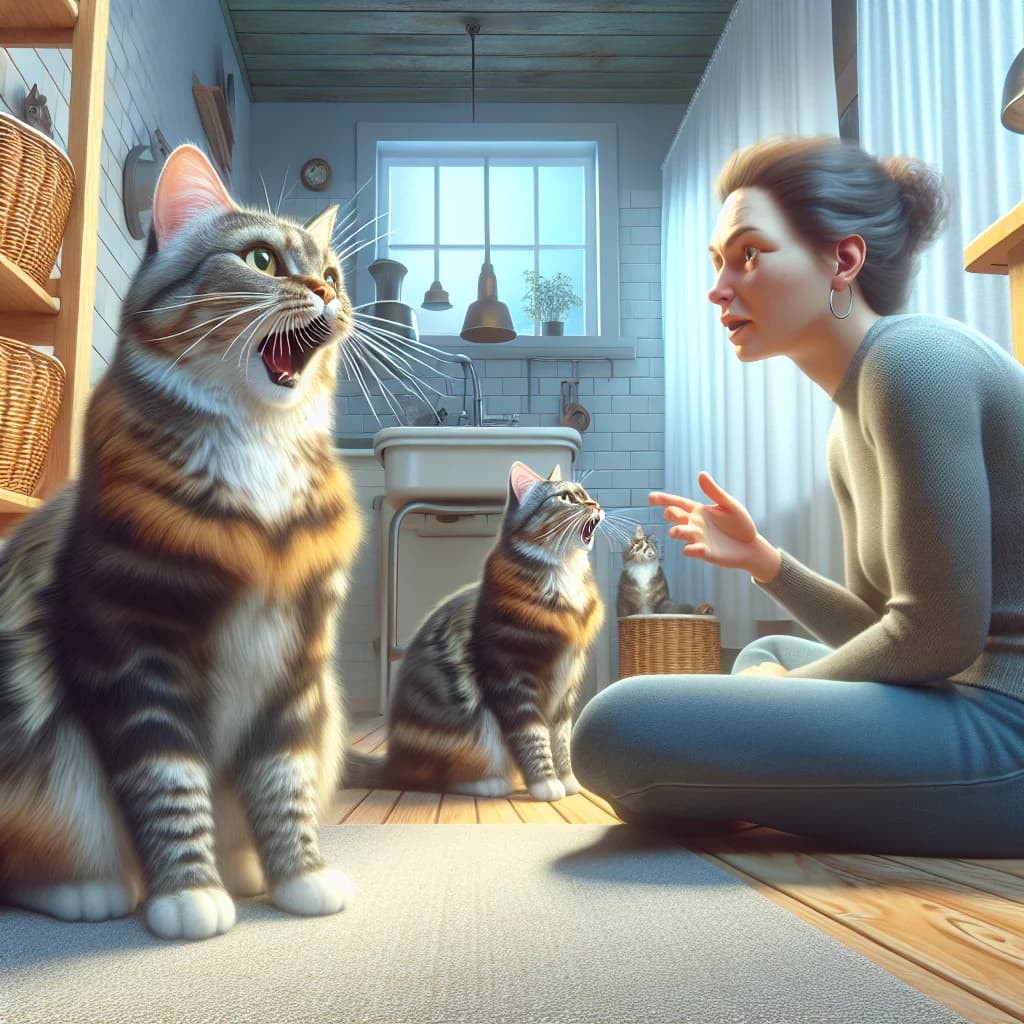
Adult cats meow primarily at humans because they have adapted their kittenhood vocalizations to bridge the communication gap with us. While cats use scent and body language to communicate with each other, they discovered that humans respond best to vocal cues, leading them to use meows as a tool to solicit food, attention, and care.
Decoding the Meow: Why Do Adult Domestic Cats Meow Almost Exclusively to Communicate with Humans Rather than with Other Cats?
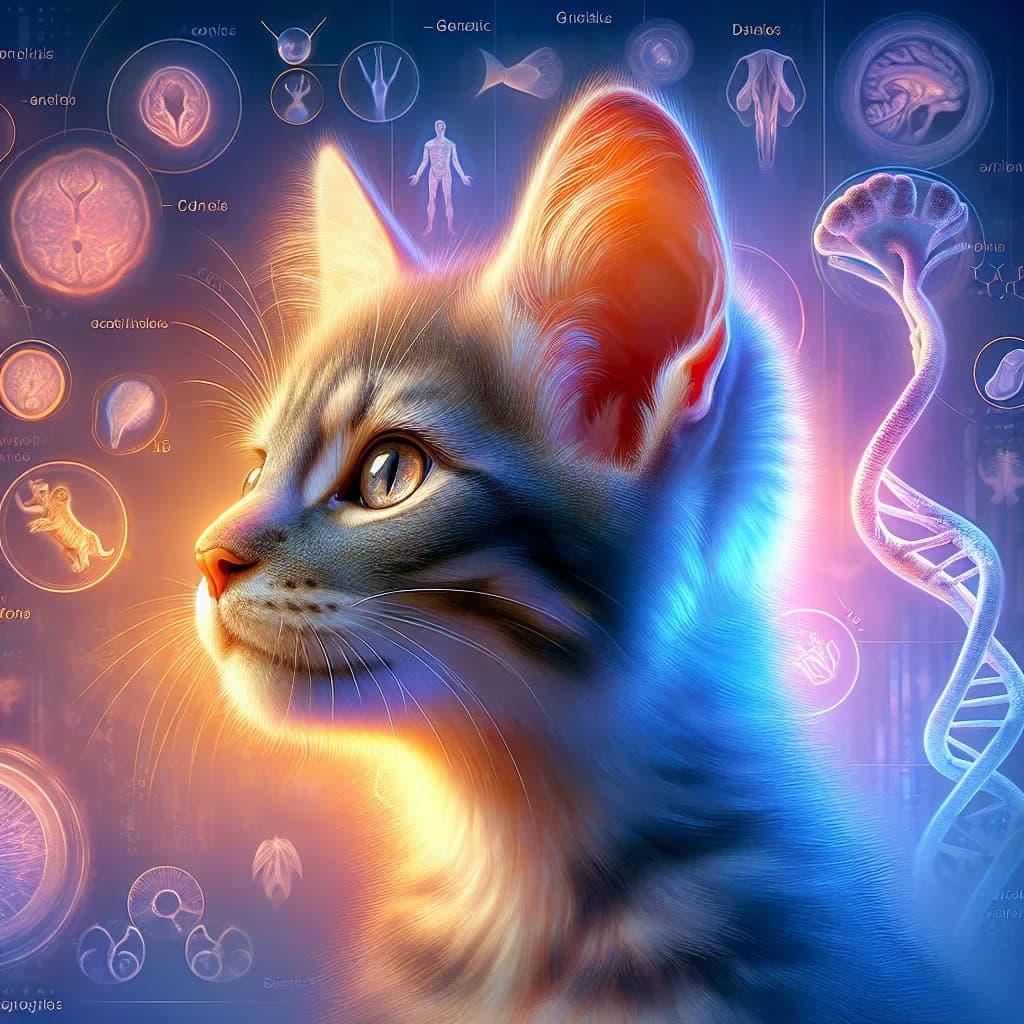
If you live with a feline companion, the "meow" is likely the soundtrack to your morning routine. Whether it is a sharp chirp for breakfast or a long, drawn-out plea for attention, this vocalization is the hallmark of the domestic cat. However, an intriguing biological mystery lies behind this sound: in the wild, adult cats are almost entirely silent toward one another. While they possess a complex repertoire of hisses, growls, and scent-based signals, the classic meow is a tool saved specifically for their human caretakers. Understanding why adult domestic cats meow almost exclusively to communicate with humans rather than with other cats offers a fascinating window into feline evolution and the unique bond we share. This post explores the science of feline vocalization, the role of domestication, and how your cat has "hacked" human psychology to get what it wants.
The Evolutionary Roots of Feline Communication
To understand the meow, we must first look at how cats communicate in a "natural" or feral state. Felines are predominantly solitary hunters. In the wild, or even in feral colonies, adult cats communicate primarily through olfaction (scent) and body language.
Scent and Silent Signals
Cats possess a highly developed vomeronasal organ, which allows them to detect pheromones—chemical signals left by other cats through rubbing, scratching, or spraying. These "messages" can convey information about territory, reproductive status, and identity without the cat ever having to make a sound. When they do interact physically, they use subtle cues such as ear position, tail height, and eye narrowing. For a species that relies on stealth to hunt, vocalizing loudly is often a disadvantage, as it alerts both predators and prey to their presence.
The Kitten Connection: Where Meowing Begins
The only time meowing is a "natural" intra-species behavior is during infancy. Kittens are born blind and deaf, relying entirely on their mothers for warmth, protection, and nutrition.
- A Call for Help: Kittens use high-pitched meows to signal distress, cold, or hunger to their mother.
- The Maternal Response: The mother cat responds to these vocalizations by nursing or grooming the kitten.
In a wild setting, once a kitten is weaned and becomes an independent hunter, this vocalization disappears. Adult wildcats do not meow at each other because they no longer need a "caregiver" response. However, domestic cats have undergone a process known as behavioral neoteny, where they retain juvenile traits—including the meow—well into adulthood because they remain dependent on humans for their needs.
Why Humans Are the Primary Target
So, why do adult domestic cats meow almost exclusively to communicate with humans rather than with other cats? The answer lies in our own biological limitations and the cat’s ability to adapt.
We Are "Deaf" to Scent
Humans have a notoriously poor sense of smell compared to the rest of the animal kingdom. We cannot detect the complex pheromonal messages cats leave on furniture or each other. Furthermore, we often miss the subtle nuances of feline body language, such as a slight twitch of the tail or a dilation of the pupils.
Operant Conditioning
Cats are masters of observation. Through thousands of years of domestication—beginning with Felis lybica (the Near Eastern wildcat)—cats learned that vocalizing is the most effective way to get a human's attention. This is a classic example of operant conditioning:
- The cat meows.
- The human reacts (gives food, opens a door, or provides affection).
- The cat learns that meowing produces a positive result.
The "Solicitation Purr" and Bio-Acoustics
Recent bio-acoustic research has revealed that cats have actually refined their meows to better manipulate human emotions. A study published in Current Biology highlighted the "solicitation purr," a high-frequency sound embedded within a standard purr that mimics the frequency of a human infant's cry. This specific frequency triggers a nurturing instinct in the human brain, making it difficult for owners to ignore the cat’s demands. Adult domestic cats have essentially developed a specialized "secret language" tailored specifically to the auditory sensitivities of their human companions.
Individual Dialects: A Private Language
Interestingly, there is no universal "meow" language shared by all cats. Research suggests that the vocalizations are highly individualized. A cat and its owner often develop a private "dialect" that only they understand.
- The Food Meow: Often short and demanding.
- The Greeting Meow: Typically a chirrup or a light, rising tone.
- The Protest Meow: Usually lower in pitch and more drawn out.
Because cats do not use these sounds with other cats, each meow is a learned behavior designed to elicit a specific response from a specific human.
Conclusion
Understanding why adult domestic cats meow almost exclusively to communicate with humans rather than with other cats reveals the depth of feline intelligence and adaptability. By retaining the vocalizations of kittenhood and refining them through thousands of years of living alongside us, cats have bridged a significant communication gap. They have recognized that while scent and ears may work for their own kind, a well-timed meow is the key to a human's heart—and pantry.
Appreciating this unique evolutionary trait helps us become more attentive and responsible pet owners. The next time your cat meows at you, remember: they aren't just making noise. They are using a specialized tool developed just for you. For more insights into your cat's health and behavior, always consult with a veterinary professional or a certified animal behaviorist to ensure your feline friend’s needs are being met.