Why do cats and dogs have a hidden third eyelid called a nictitating membrane for extra protection and moisture
Hidden in plain sight, your pet possesses a high-tech "windshield wiper" that most owners never even notice. Discover the fascinating science behind the third eyelid and why this secret shield is the ultimate biological weapon for protecting your furry friend's vision.

Too Long; Didn't Read
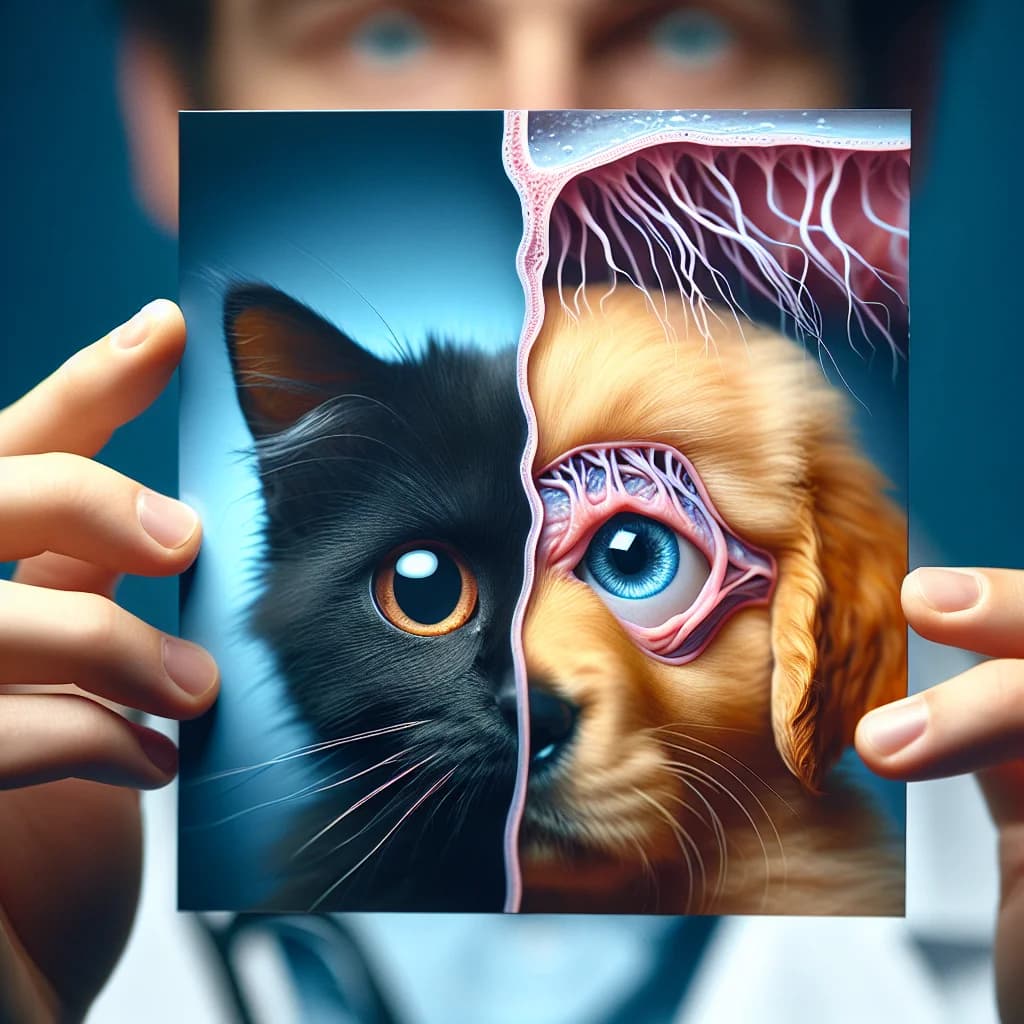
Cats and dogs have a third eyelid called the nictitating membrane that acts as a built-in windshield wiper. It protects the cornea from debris and injury while providing essential moisture and tear production to keep their eyes healthy and lubricated.
Beyond the Blink: Why Do Cats and Dogs Have a Hidden Third Eyelid Called a Nictitating Membrane for Extra Protection and Moisture?
If you have ever caught a glimpse of a pale, thin tissue sliding across your pet’s eye as they wake from a nap, you have witnessed one of nature’s most specialized biological tools. This structure, known scientifically as the palpebra tertia or the nictitating membrane, is a feature humans lack but most domestic carnivores rely on for survival. While we navigate the world with just two eyelids, our feline and canine companions possess this "third eyelid" to maintain ocular health in environments that would otherwise be hazardous to a delicate cornea. Understanding why do cats and dogs have a hidden third eyelid called a nictitating membrane for extra protection and moisture is essential for any pet owner, as it serves as a critical indicator of an animal's overall well-being and evolutionary history. This post explores the biological necessity of this membrane and its role in pet health.
The Anatomy of the Third Eyelid
The nictitating membrane is a specialized fold of conjunctiva located in the inner corner (medial canthus) of the eye. Unlike the upper and lower eyelids, which move vertically, the third eyelid moves horizontally across the eyeball. It is supported by a T-shaped piece of cartilage that provides structural integrity, ensuring the membrane can sweep across the eye without collapsing.
Biologically, this structure is far more than just a flap of skin. It houses the gland of the third eyelid, a vital component of the lacrimal system. In both dogs and cats, this gland is responsible for producing approximately 30% to 50% of the aqueous (watery) portion of the tear film. This contribution is vital for preventing "dry eye" (keratoconjunctivitis sicca), a painful condition that can lead to permanent vision loss if left untreated.
Evolutionary Protection: The "Windshield Wiper" Effect
From an evolutionary standpoint, the nictitating membrane developed as a survival mechanism. For a predatory cat stalking through tall grass or a dog flushing out game in dense brush, the eyes are highly vulnerable to scratches, seeds, and debris.
- Mechanical Protection: When a dog or cat lowers its head or senses an object approaching the eye, the nictitating membrane can deploy passively. It acts as a physical shield against abrasions without the animal having to fully close its primary eyelids and lose sight of its environment or prey.
- Debris Removal: Much like a windshield wiper, the membrane sweeps across the cornea to clear away microscopic dust and foreign bodies.
- Immunological Defense: The third eyelid contains lymphoid tissue (follicles) that acts as a localized immune system, identifying and neutralizing bacteria or viruses that land on the ocular surface.
Why Is It Usually Hidden?
In a healthy, alert animal, the nictitating membrane is largely retracted and invisible. This is because the membrane is held in place by smooth muscles and the position of the globe (eyeball) within the socket. When a pet is stressed, dehydrated, or experiencing pain, the globe may retract slightly into the socket, causing the third eyelid to passively slide across the eye.
Veterinary professionals often look for the visibility of this membrane as a clinical sign. If the membrane remains visible when an animal is wide awake, it may indicate:
- Haw’s Syndrome: Often seen in cats, this is a bilateral protrusion associated with gastrointestinal upset.
- Cherry Eye: A common condition in certain dog breeds (like Bulldogs or Beagles) where the gland of the third eyelid prolapses and appears as a red, fleshy mass.
- Neurological Issues: Conditions like Horner’s Syndrome can affect the nerves controlling the eye, causing the membrane to droop.
Conclusion
Understanding why do cats and dogs have a hidden third eyelid called a nictitating membrane for extra protection and moisture allows pet owners to appreciate the sophisticated biological engineering of their companions. This "hidden" feature is a powerhouse of ocular health, providing mechanical protection, essential lubrication, and immune defense. Because the membrane is typically retracted, its sudden or persistent appearance is a significant physiological signal that should never be ignored. By monitoring the "hidden" third eyelid, owners can take a proactive role in their pet's health, ensuring that any underlying issues are addressed before they compromise the animal’s vision or comfort. Always consult with a veterinarian if you notice changes in the visibility of your pet’s nictitating membrane.