Why do cats and horses curl their upper lips into a funny grimace called the Flehmen response
That peculiar lip-curling "stink face" isn’t just for laughs—it’s actually a sophisticated sensory superpower. Discover the surprising science behind how cats and horses use the Flehmen response to "taste" the invisible world around them.

Too Long; Didn't Read
The Flehmen response is a behavior where animals curl their upper lips to better direct scents and pheromones into the vomeronasal organ. This specialized sensory process allows cats and horses to analyze chemical signals from their environment or other animals, helping them identify social and reproductive cues.
The "Stink Face" Science: Why Do Cats and Horses Curl Their Upper Lips into a Funny Grimace Called the Flehmen Response?
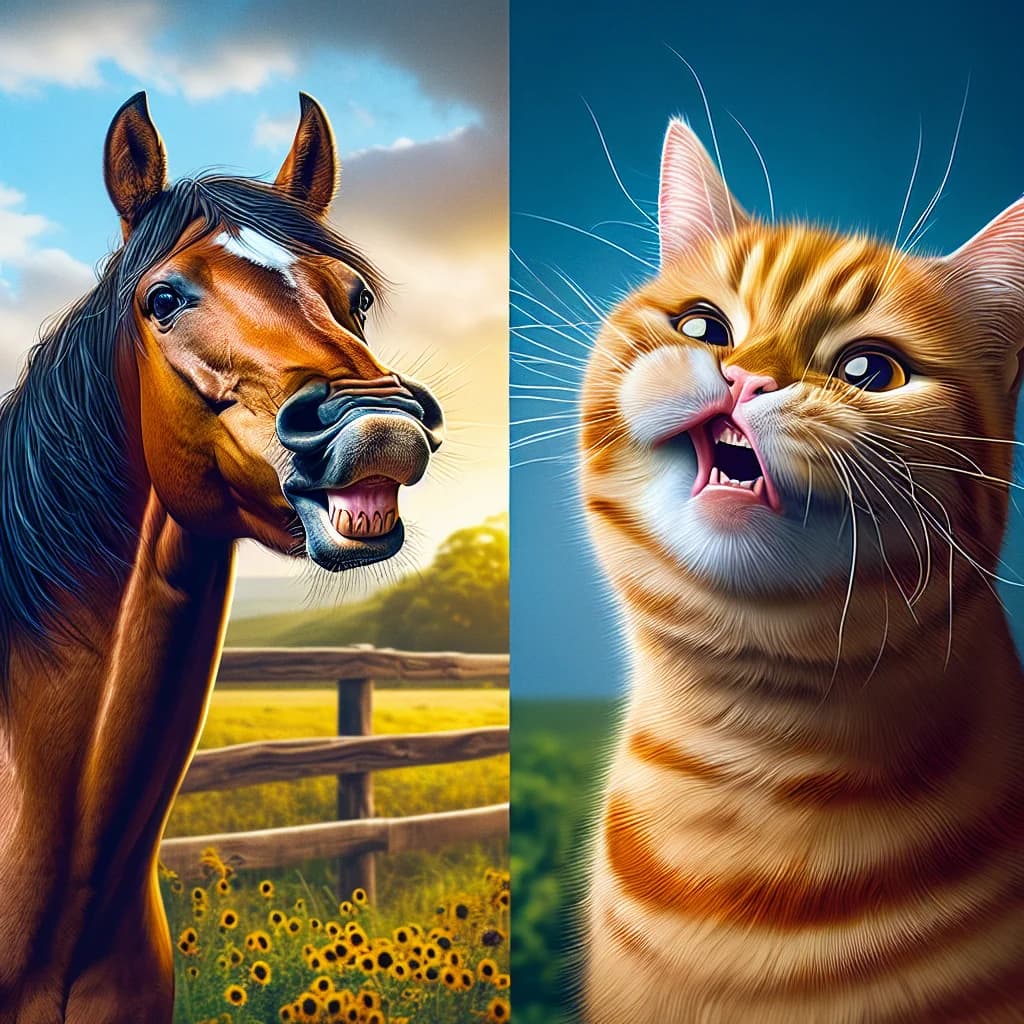
Have you ever watched your cat sniff a blanket and suddenly freeze with their mouth half-open in a comical, vacant stare? Or perhaps you have seen a horse in a pasture lift its head high, curling its upper lip back to expose its gums in what looks like a dramatic laugh. While these expressions often lead to viral internet memes and owner amusement, they are actually part of a sophisticated biological process known as the Flehmen response. Derived from the German word flehmen, meaning to look spiteful or curl the upper lip, this behavior is a vital sensory tool used by various mammalian species to navigate their social and physical environments. Understanding why do cats and horses curl their upper lips into a funny grimace called the Flehmen response? allows us to better appreciate the complex ways animals "taste" the air to gather information.
Defining the Flehmen Response: The Jacobson’s Organ
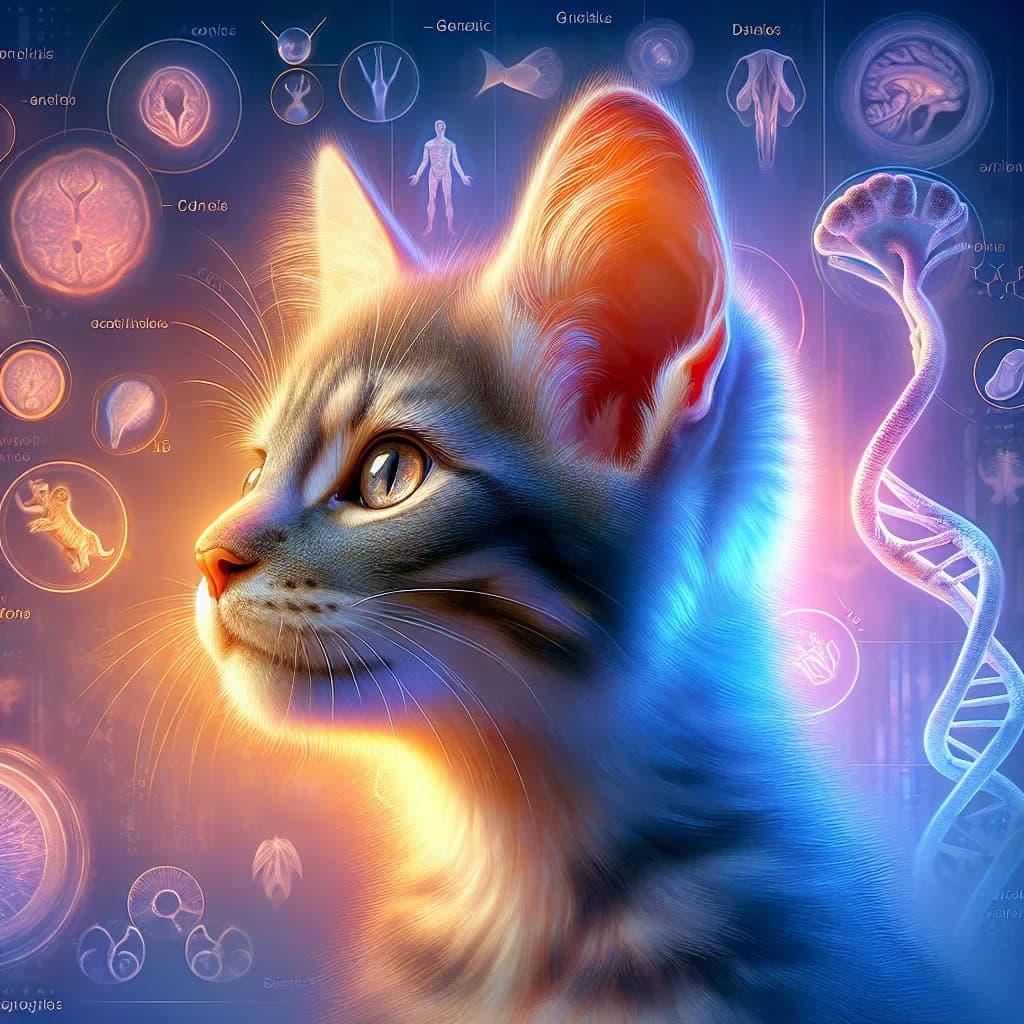
At the heart of this behavior is a specialized sensory structure called the vomeronasal organ (VNO), also known as Jacobson’s organ. Located in the roof of the mouth or the floor of the nasal cavity, the VNO is a patch of sensory cells that acts as a secondary olfactory system.
Unlike standard smelling, which detects volatile airborne odors, the Flehmen response is designed to detect non-volatile organic compounds, specifically pheromones. When an animal "flehms," they are physically pulling these chemical signals into the VNO. By curling the upper lip and often closing the nostrils, the animal creates a pressure change that pumps fluid containing these chemicals into the organ, where they are analyzed by the brain.
The Biological Mechanism in Cats and Horses
While the purpose is the same, the visual execution and specific triggers for the Flehmen response can vary between feline and equine species.
Feline "Scent-Tasting"
In domestic cats, the Flehmen response often looks like a grimace or a "stink face." A cat will typically:
- Open their mouth slightly.
- Pull back their upper lip.
- Wrinkle their nose.
Cats use this primarily to investigate the pheromones of other cats. This helps them determine the reproductive status of a potential mate or identify the boundaries of a rival's territory. Interestingly, cats have a small duct located just behind their front incisors that leads directly to the Jacobson’s organ, allowing them to "taste-smell" chemical messages left in urine or cheek-rubbing secretions.
Equine Social and Reproductive Signaling
Horses exhibit a much more pronounced version of the behavior. A horse will extend its neck, lift its head, and curl its upper lip completely upward, sometimes holding the pose for several seconds.
- Reproductive Context: Stallions frequently use the Flehmen response to detect if a mare is in estrus (heat) by analyzing her urine.
- Curiosity: Both mares and geldings use it when encountering unusual smells, such as new food, strange chemicals, or even the scent of a newborn foal.
- Anatomy: In horses, the VNO does not connect directly to the mouth as it does in cats; instead, the lip curl helps facilitate the movement of scents through the nasal passages into the organ.
Evolutionary Context and Species Comparisons
The Flehmen response is not limited to cats and horses. It is a trait shared by many ungulates (hoofed mammals) including giraffes, goats, and llamas, as well as big cats like lions and tigers. From an evolutionary standpoint, this mechanism provided a survival advantage. By accurately "reading" pheromones, animals could avoid territorial conflicts, successfully find mates, and ensure the survival of their offspring by recognizing individual scents.
In contrast, humans have a vestigial vomeronasal organ that is generally considered non-functional. Because we rely more heavily on sight and standard olfaction, we have lost the need for this specialized "chemical decoding" behavior.
Why Understanding This Matters for Owners
Recognizing the Flehmen response is an essential part of responsible animal husbandry and welfare.
- Behavioral Monitoring: For horse breeders, observing the response is a key indicator of reproductive cycles.
- Environmental Enrichment: For cat owners, seeing the Flehmen response suggests your pet is actively engaging with their environment.
- Reducing Stress: Understanding that this is a sensory process, rather than a sign of "disgust" or "aggression," helps owners interpret their pet's body language accurately.
Conclusion
The Flehmen response is a fascinating intersection of biology and behavior, transforming a "funny face" into a high-tech sensory intake system. Whether it is a cat investigating a new scent in the living room or a horse analyzing the air in a field, this grimace is a sign of an animal deeply attuned to the chemical world around it. By understanding why do cats and horses curl their upper lips into a funny grimace called the Flehmen response?, we gain a deeper respect for the sensory capabilities of our animal companions. The next time you catch your pet in a "flehmen stare," remember that they aren't just making a face—they are reading a complex story written in the air.