Why do cats experience a euphoric drug-like high when they smell the chemical nepetalactone found in catnip
Ever wondered why a tiny green leaf can turn your sophisticated predator into a rolling, purring ball of pure chaos? Discover the mind-bending science behind nepetalactone and how this natural chemical hijacks your cat’s brain to trigger a state of total feline euphoria.

Too Long; Didn't Read
Nepetalactone triggers sensory neurons in a cat's nose that signal the brain's emotional and behavioral centers. By mimicking natural feline pheromones, the chemical stimulates a temporary neurological response similar to a euphoric high, leading to behaviors like rolling, rubbing, and intense playfulness.
The Science of Bliss: Why Do Cats Experience a Euphoric Drug-Like High When They Smell the Chemical Nepetalactone Found in Catnip?
For centuries, cat owners have watched in fascination as their feline companions transform from dignified predators into rolling, purring, and occasionally hyperactive balls of fur at the mere scent of a common garden herb. This dramatic behavioral shift is triggered by Nepeta cataria, or catnip, a member of the mint family. While the reaction may look like a playful frenzy, it is actually the result of a complex biological interaction between a specific volatile oil and the feline brain. Understanding why cats experience a euphoric drug-like high when they smell the chemical nepetalactone found in catnip requires a deep dive into feline anatomy, neurology, and evolutionary history. This post will examine the physiological pathways that turn a simple plant into a powerful sensory stimulant for our domestic cats.
The Chemistry of Nepetalactone
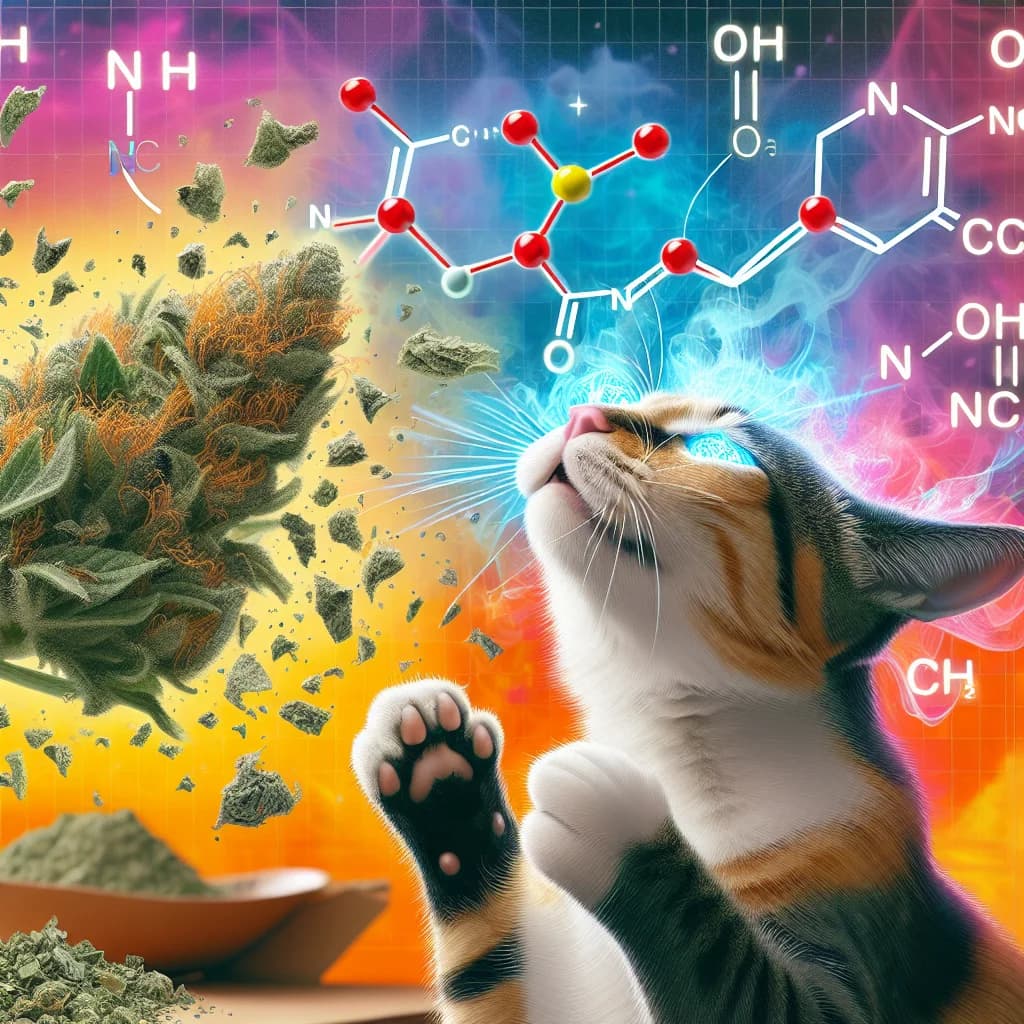
The primary catalyst for the "catnip craze" is a terpene called nepetalactone. This chemical is produced in the small, bulbous glochidia (microscopic glands) on the leaves and stems of the catnip plant. When the plant is crushed, brushed against, or bitten, these glands rupture, releasing the volatile oil into the air.
For a cat to experience the "high," the nepetalactone molecules must enter the nasal passages and bind to specialized protein receptors located in the olfactory epithelium. Interestingly, while humans cannot smell nepetalactone in the same way, cats are exquisitely sensitive to it. Veterinary scientists have determined that this chemical mimics a feline "happy" pheromone, specifically one associated with social or sexual behaviors, which explains the characteristic rolling and rubbing behaviors often observed.
How the Feline Brain Processes the High
The biological mechanism of the catnip response is a masterclass in neurobiology. Once the nepetalactone binds to the olfactory receptors, it triggers a sensory explosion that follows a specific neurological pathway:
- The Olfactory Bulb: The signal starts here, where the scent is first processed.
- The Amygdala: The signal travels to the amygdala, the brain's emotional center, which mediates the cat's intense emotional and behavioral reactions.
- The Hypothalamus: The hypothalamus acts as the "master gland," regulating everything from hunger to emotional expression. It interprets the nepetalactone signal as a "fake" pheromone, leading to a temporary state of euphoria.
This neurological cascade typically lasts between five and fifteen minutes. Once the session ends, a cat enters a "refractory period," lasting approximately thirty minutes to an hour, during which they are temporarily immune to the effects of the plant while their olfactory receptors reset.
Behavioral Indicators and Genetics
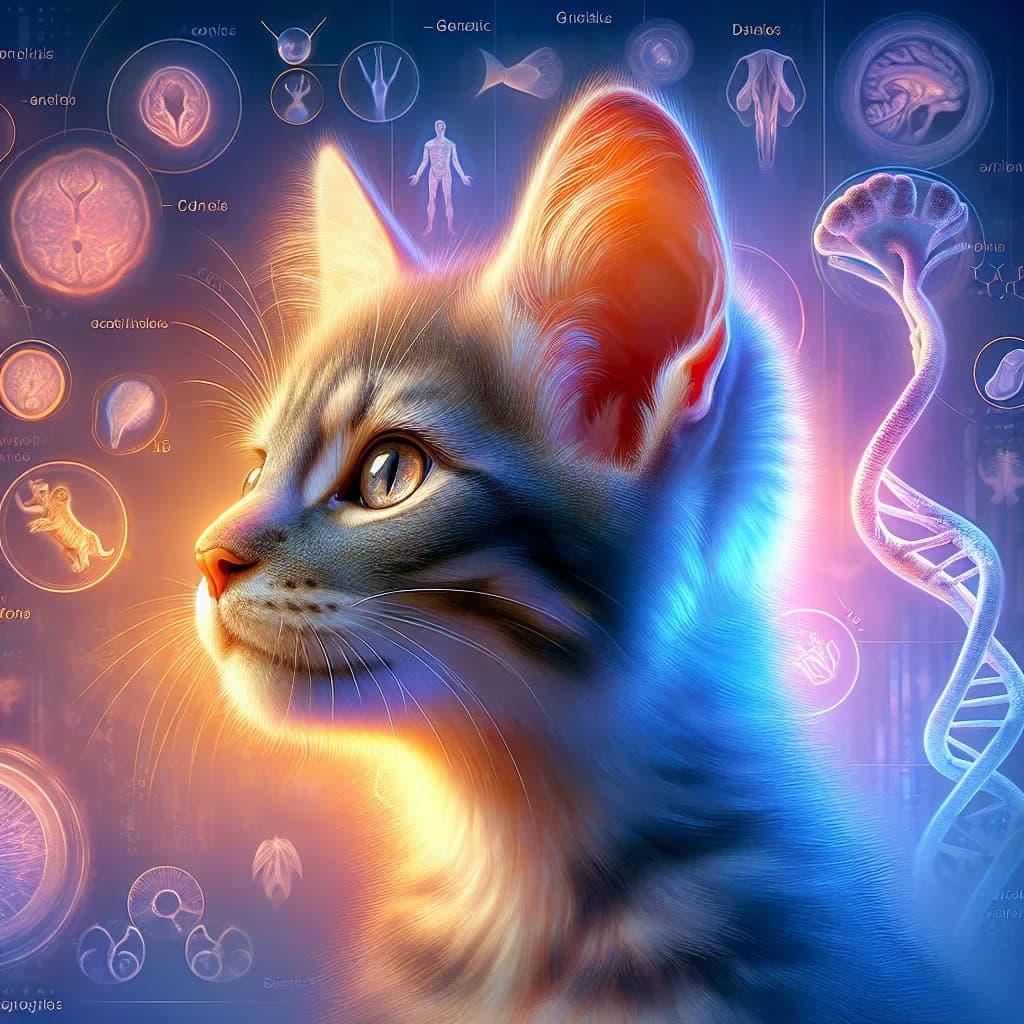
Not every cat will react to catnip. In fact, the sensitivity to nepetalactone is a hereditary trait. Research in feline genetics indicates that the "catnip response" is an autosomal dominant trait, meaning roughly 70% to 80% of cats will react, while the remainder remain entirely indifferent.
Common behavioral signs of a catnip high include:
- Head rubbing and chin scratching: Cats attempt to coat their cheeks in the scent.
- Rolling and body rubbing: Spreading the scent across their fur.
- Vocalizing: Intense meowing or purring.
- Hyperactivity or "Zoomies": A sudden burst of physical energy.
- Salivating: Licking or chewing the plant material directly.
It is also worth noting that kittens under the age of three to six months rarely show a reaction, as their olfactory and reproductive systems are not yet fully developed.
The Evolutionary Advantage: Nature’s Insect Repellent
While we often view catnip as a simple source of entertainment, recent zoological studies suggest there is an evolutionary reason for this attraction. A study published in the journal Science Advances found that nepetalactone (and the related chemical neetalactol found in Silvervine) acts as an incredibly effective natural insect repellent.
By rubbing against these plants, cats coat their fur in chemicals that repel mosquitoes and other biting pests. This suggests that the "high" may have evolved as a biological reward to encourage cats to apply a protective chemical barrier against disease-carrying insects in the wild.
Safe Usage and Veterinary Perspectives
From a veterinary standpoint, catnip is considered non-addictive and entirely safe for feline consumption and inhalation. It is an excellent tool for environmental enrichment, helping to stimulate indoor cats and provide a healthy outlet for energy.
When providing catnip, consider these guidelines:
- Moderation: Overexposure can lead to a decrease in sensitivity over time.
- Freshness: Keep catnip in an airtight container to prevent the volatile oils from dissipating.
- Safety: While rare, some cats may become overly aggressive during a high; if this occurs, it is best to limit their access.
Conclusion
Understanding why cats experience a euphoric drug-like high when they smell the chemical nepetalactone found in catnip allows us to appreciate the intricate link between botany and feline biology. This phenomenon is more than just a quirky behavior; it is a sophisticated interaction involving genetic predisposition, neurological pathways, and evolutionary survival tactics. By recognizing the science behind the scent, pet owners can more effectively use catnip as a tool for enrichment, ensuring their feline companions lead stimulated and happy lives. Always observe your cat's unique reactions and consult with a veterinarian if you have concerns about their behavior or sensory health.