Why do cats experience a sudden burst of energy called zoomies immediately after using the litter box
Ever wondered why your cat goes from calm to chaotic the second they step out of the litter box? From ancient survival instincts to a literal "natural high," the science behind the post-poop zoomies is more fascinating than you think.

Too Long; Didn't Read
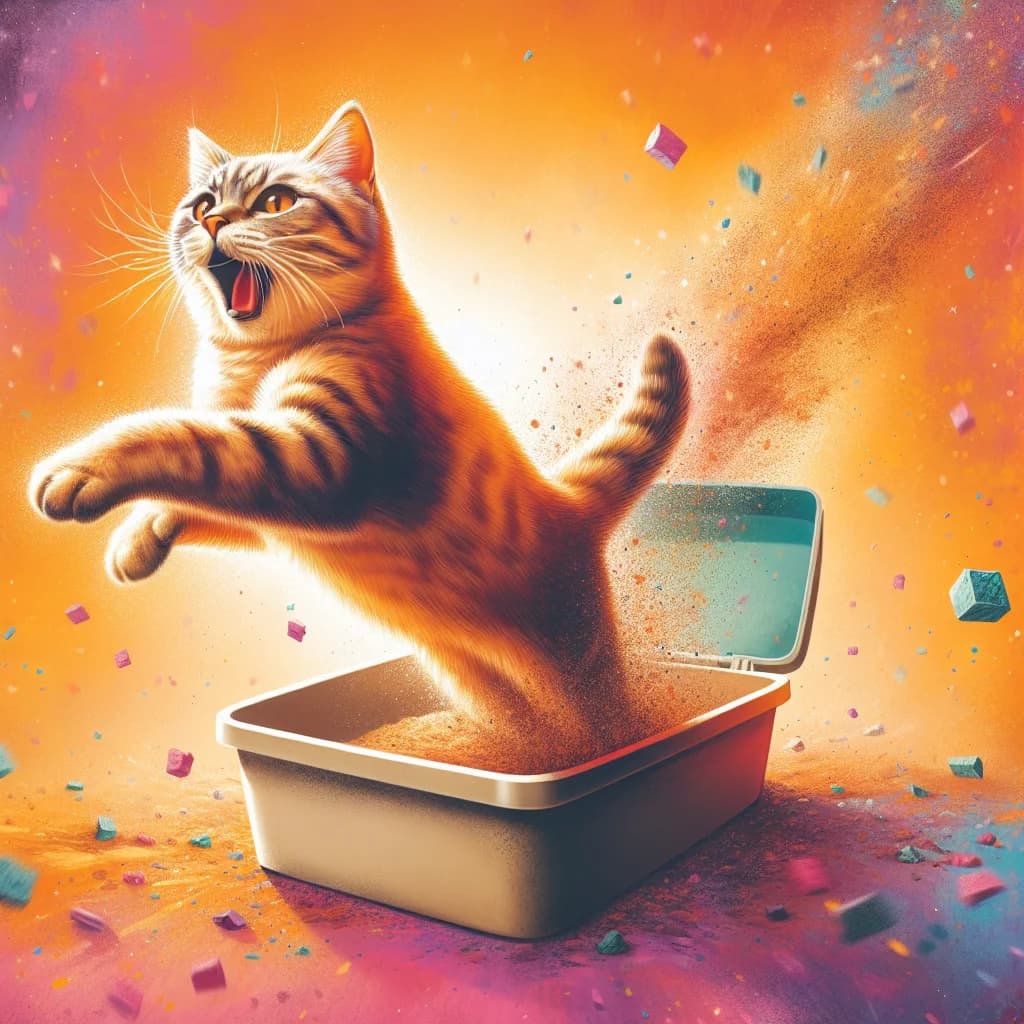
Cats experience post-litter box zoomies due to a combination of survival instincts to distance themselves from their scent, pure relief, and a physiological rush called poo-phoria caused by stimulation of the vagus nerve.
Post-Elimination Zoomies: Why Do Cats Experience a Sudden Burst of Energy After Using the Litter Box?
Every cat owner is familiar with the sudden, thunderous sound of paws racing across the floor immediately after a feline finishes their business in the litter box. This phenomenon, colloquially known as the "zoomies," is scientifically referred to as Frenetic Random Activity Periods (FRAPs). While it may appear to be a humorous quirk of feline personality, this behavior is deeply rooted in cat biology, evolutionary history, and neurological triggers. Understanding why cats exhibit this burst of energy is essential for responsible pet ownership, as it allows owners to distinguish between natural instincts and potential signs of medical distress. This post explores the multifaceted reasons behind post-elimination zoomies, providing a science-based look at feline physiology and behavior.
The Biological Trigger: Vagus Nerve Stimulation
One of the most prominent scientific explanations for post-elimination zoomies involves the vagus nerve. The vagus nerve is a primary component of the autonomic nervous system, running from the brainstem through the neck and down into the abdomen. In cats, as in humans, the process of defecation can stimulate this nerve.
When a cat passes a large stool, the distension of the rectum can trigger the vagus nerve, leading to a phenomenon often nicknamed "poo-phoria." This stimulation can cause a brief drop in blood pressure and heart rate, followed by a compensatory surge of adrenaline and endorphins. The resulting "high" manifests as a sudden burst of physical energy, leading the cat to sprint, jump, or climb with intensity immediately after exiting the litter box.
Evolutionary Instincts: Escaping the Scent
From an ethological perspective, the zoomies may be a vestigial survival mechanism. Domestic cats share a common ancestor with the North African wildcat (Felis lybica), a species that occupies a unique position in the food chain as both a predator and a prey animal.
In the wild, metabolic waste serves as a powerful scent marker that can alert larger predators to a cat’s presence. By sprinting away from the site of elimination immediately, a cat effectively distances itself from the "evidence" of its location. This rapid relocation reduces the likelihood of a predator tracking the cat back to its resting or hunting grounds. Even in the safety of a modern home, these deeply ingrained survival instincts remain a core part of feline behavioral patterns.
Hygiene and Scent Management
Cats are famously fastidious animals. For some individuals, the zoomies are a literal attempt to "shake off" the experience of using the litter box. This behavior may be driven by:
- Scent Avoidance: Cats have a sense of smell roughly fourteen times stronger than that of humans. Once they have finished their business, the concentrated odor may be overwhelming, prompting them to vacate the area as quickly as possible.
- Physical Cleanliness: A quick sprint can help dislodge any small particles of litter that may be stuck between their toes or to their fur, maintaining their strict standards of grooming.
Distinguishing Behavior from Medical Issues
While post-elimination zoomies are usually normal, it is vital for owners to observe the context of the behavior. Veterinary professionals suggest monitoring for signs that the "zoomies" might actually be an attempt to escape discomfort. If the burst of energy is accompanied by the following, a consultation with a veterinarian is recommended:
- Vocalization: Loud meowing or yowling before, during, or after using the box.
- Straining: Excessive time spent in the box or frequent unsuccessful attempts to go.
- Inappropriate Elimination: Urinating or defecating outside the box.
- Altered Stool Consistency: Signs of constipation or diarrhea, which can make the elimination process painful.
In these cases, the "sprint" may be a reaction to acute pain, such as that caused by Feline Lower Urinary Tract Disease (FLUTD), constipation, or anal gland issues.
Conclusion
The sudden burst of energy cats experience after using the litter box is a fascinating intersection of neurology, evolution, and hygiene. Whether driven by the stimulation of the vagus nerve or an ancient instinct to evade predators, post-elimination zoomies are a standard part of the feline experience. By recognizing the biological "why" behind this behavior, owners can better appreciate the complex nature of their companions. As long as your cat appears comfortable and the behavior is not accompanied by signs of distress, you can view these high-speed laps as a sign of a relieved and healthy pet. Always prioritize regular veterinary check-ups to ensure that your cat’s digestive and urinary health remains in peak condition.