Why do cats experience whisker fatigue when their sensitive facial hairs touch the edges of their food bowls
Ever wonder why your cat seems stressed or finicky during mealtime? Discover how a simple bowl edge can trigger a painful sensory overload known as "whisker fatigue" and how the right dish could transform your feline's dining experience.

Too Long; Didn't Read
Whisker fatigue occurs when a cat's highly sensitive facial hairs are overstimulated by constant contact with the sides of a deep or narrow bowl. This sensory overload causes stress and discomfort during mealtime, which can be prevented by switching to wide, shallow dishes.
Sensory Stress at Mealtime: Why do cats experience whisker fatigue when their sensitive facial hairs touch the edges of their food bowls?
Cats are biological masterpieces of evolution, equipped with sensory tools that allow them to navigate the world with precision. Among their most critical tools are their whiskers, or vibrissae. These are not merely long, coarse hairs; they are highly tuned tactile sensors that act as a feline’s radar system. However, this high level of sensitivity comes with a physiological downside often referred to as "whisker fatigue." This phenomenon occurs when the brain is bombarded with excessive tactile signals, specifically during routine activities like eating. Understanding why do cats experience whisker fatigue when their sensitive facial hairs touch the edges of their food bowls? is vital for maintaining feline welfare and ensuring the human-animal bond remains strong through healthy husbandry practices. This post explores the biological mechanisms behind this sensory overload and provides evidence-based guidance for optimal feeding environments.
The Anatomy of the Vibrissae: More Than Just Hair
To understand whisker fatigue, one must first understand the complex anatomy of the whiskers. Unlike regular fur, vibrissae are rooted three times deeper in the skin. Each whisker follicle is surrounded by a dense capsule of blood (a blood sinus) and a complex network of sensory nerves.
At the base of these follicles are specialized receptors called proprioceptors. These receptors send instantaneous messages to the somatosensory cortex in the cat's brain. In the wild, this allows cats to detect minute changes in air currents, judge the width of narrow openings, and identify the position of prey in low-light conditions. Because the whiskers are so hypersensitive, even the slightest touch triggers a neural response, making them essential for survival but also vulnerable to overstimulation.
What Exactly is Whisker Fatigue?
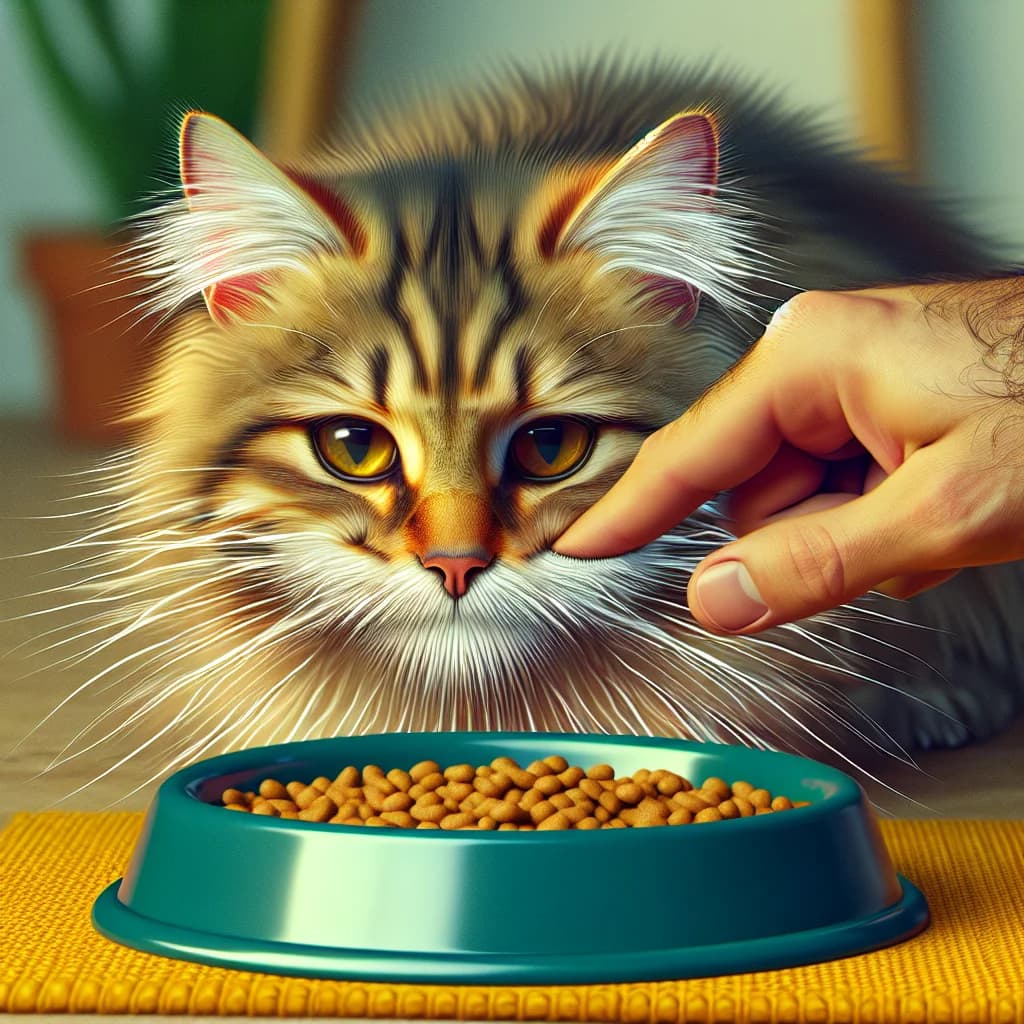
While "fatigue" implies a loss of function due to exhaustion, in the context of feline behavior, it actually refers to a state of sensory overload or "information burnout." When a cat's whiskers are forced to brush against the hard, high sides of a narrow food or water bowl, the sensory nerves fire continuously.
Imagine a human being subjected to a constant, loud, high-pitched noise while trying to focus on a task; eventually, the brain becomes agitated by the persistent stimulus. For a cat, every bite of food in a deep bowl involves a barrage of tactile signals that the brain must process. This creates a state of physiological stress and discomfort, making the act of eating—which should be a positive experience—a source of irritation.
Behavioral Indicators of Sensory Overload
Because cats are masters at masking discomfort, whisker fatigue often manifests as subtle behavioral shifts during mealtime. Veterinary behaviorists suggest looking for the following signs:
- Pawing Food Out of the Bowl: Many cats will use their paws to scoop food onto the floor. This allows them to eat without their whiskers touching any boundaries.
- Hesitation or Agitation: A cat may approach the bowl, appear hungry, but then back away or circle the dish before eating.
- Aggression or Vocalization: In multi-cat households, the stress of whisker fatigue can lead to irritability or "hangry" behavior directed at other pets or owners.
- Leaving Food Behind: If a cat only eats the food in the center of the bowl and leaves the morsels around the edges, they are likely trying to avoid the painful contact with the bowl's rim.
Evidence-Based Solutions for Feline Comfort
Addressing whisker fatigue is a simple matter of environmental enrichment and proper husbandry. By aligning the cat’s physical environment with their biological needs, owners can eliminate this unnecessary stressor.
- Choose Wide and Shallow Dishes: The most effective solution is to replace deep, narrow bowls with wide, shallow saucers or flat plates. This allows the cat to access their food while keeping their whiskers completely clear of any edges.
- Opt for Non-Porous Materials: Stainless steel, ceramic, or glass are preferred. These materials are easier to clean and do not harbor bacteria like plastic, which can lead to feline acne—another condition that can make the face and chin area sensitive to touch.
- Elevated Feeding Stations: Raising the food slightly off the ground can also improve ergonomics, though the width of the dish remains the primary factor in preventing whisker fatigue.
Conclusion
The biological reality of whisker fatigue highlights the profound sensitivity of our feline companions. Why do cats experience whisker fatigue when their sensitive facial hairs touch the edges of their food bowls? The answer lies in the highly specialized neural pathways connected to their vibrissae, which are designed for environmental navigation, not constant contact with household objects. By recognizing that a cat’s behavior at the food bowl is often a response to physiological discomfort rather than "pickiness," owners can take proactive steps to improve their pet's quality of life. Small changes, such as switching to a wide, flat feeding surface, can significantly reduce daily stress. As always, if a cat's eating habits change abruptly, it is essential to consult a veterinary professional to rule out underlying dental or medical issues.