Why do cats have a floating collarbone that allows them to squeeze through any gap their head fits
Ever wonder how your cat defies physics to squeeze through the tiniest gaps? Discover the secret of the "floating collarbone"—the biological superpower that turns every feline into a master escape artist.

Too Long; Didn't Read
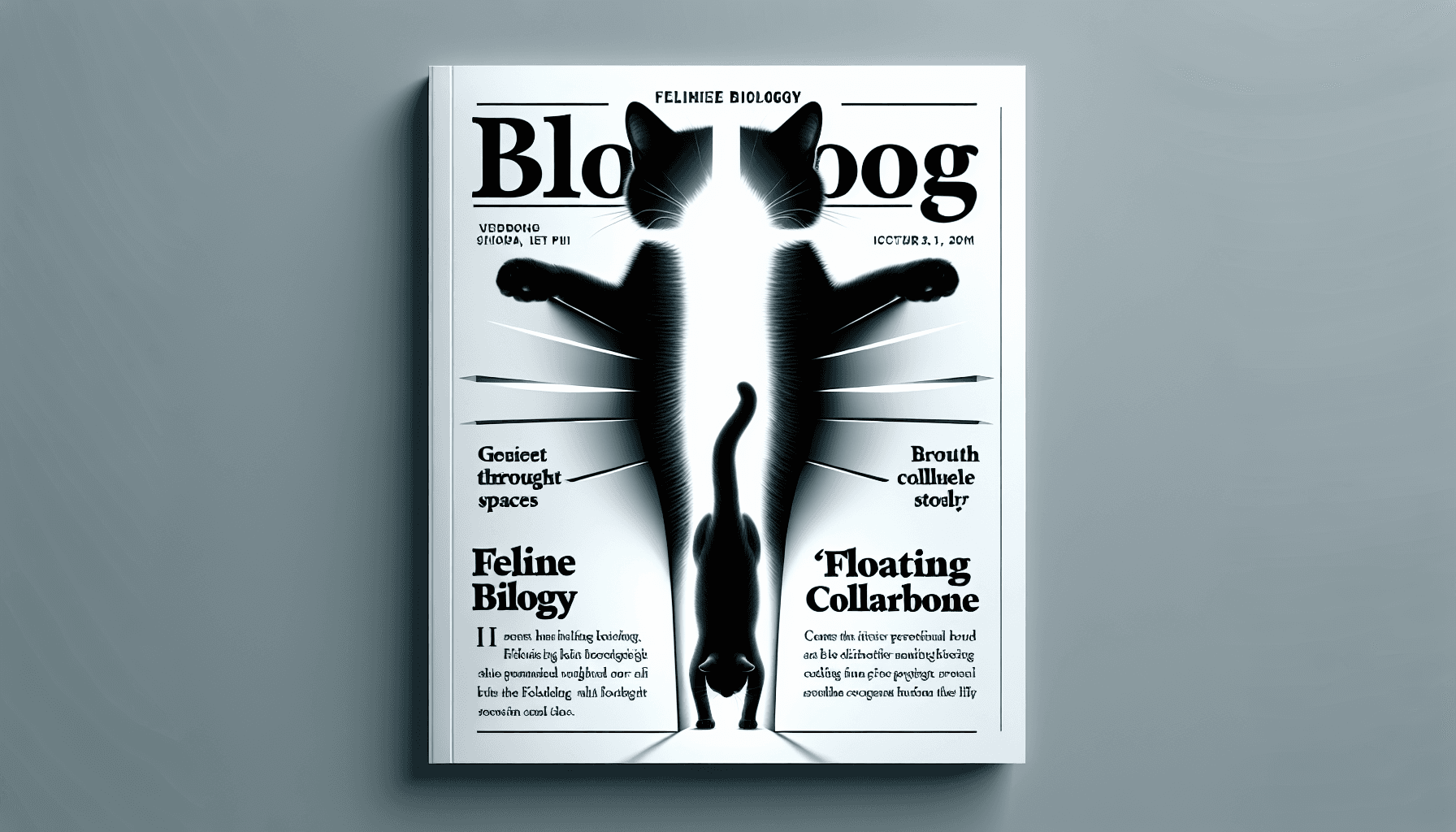
Cats possess a vestigial, floating collarbone held in place by muscle rather than bone, allowing their shoulders to contract. This anatomical flexibility enables them to squeeze through any narrow space that is large enough to accommodate their head.
Feline Physics: Why do cats have a floating collarbone that allows them to squeeze through any gap their head fits?
It is a sight familiar to almost every cat owner: a feline companion effortlessly pouring itself into a cardboard box, a narrow fence railing, or a tiny gap behind a bookshelf that seems physically impossible to navigate. This "liquid" nature of cats is not just a quirky behavioral trait but a remarkable feat of biological engineering. At the heart of this ability is a unique skeletal adaptation. Many people wonder, why do cats have a floating collarbone that allows them to squeeze through any gap their head fits? Understanding this anatomical marvel provides deep insight into how cats have evolved as apex solitary hunters and masters of escape. This blog post will explore the science behind the feline clavicle, its evolutionary purpose, and how it contributes to the incredible agility of the domestic cat.
The Anatomy of the Vestigial Clavicle
In humans, the clavicle (collarbone) serves as a rigid bridge between the shoulder blade (scapula) and the breastbone (sternum). This structure provides stability for lifting heavy objects but limits the range of motion of the shoulders. In contrast, cats possess what is known as a vestigial clavicle.
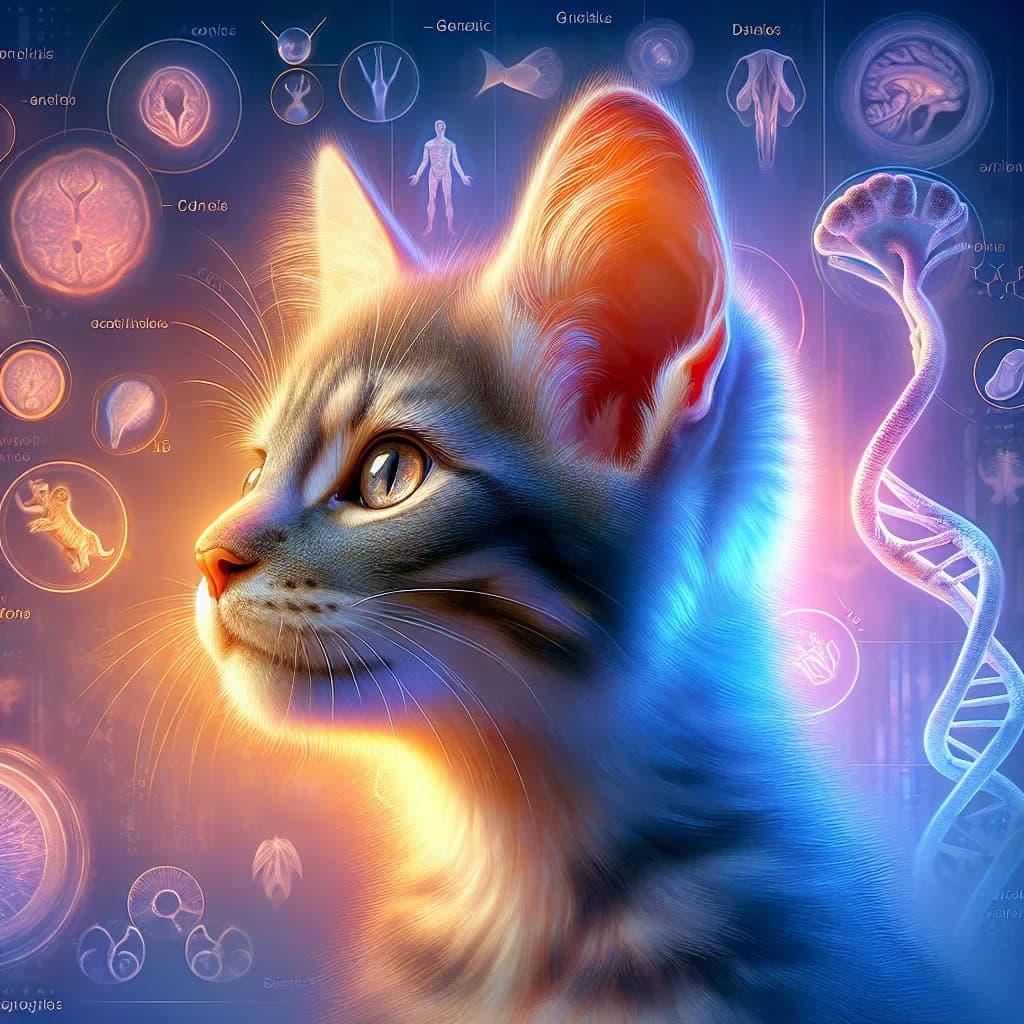
A vestigial structure is an anatomical feature that has lost much of its ancestral function. For the cat, the collarbone is not anchored to other bones; instead, it is buried within the muscles of the shoulder girdle. Because the feline shoulder is attached to the rest of the body only by muscle and ligament—rather than bone-to-bone joints—the shoulders can move independently and compress significantly. This "floating" nature allows the cat to narrow its profile to the width of its skull, which is the only rigid, non-compressible part of its upper body.
Evolutionary Advantages: Hunting and Evasion
The biological decision for cats to retain a floating collarbone is rooted in millions of years of predatory evolution. This anatomical flexibility provides two primary survival advantages:
- Access to Prey: Many of the small mammals that cats hunt, such as rodents, seek refuge in burrows or narrow crevices. A rigid skeletal frame would prevent a predator from following its meal into these tight spaces.
- Predator Avoidance: Despite being hunters, small-to-medium-sized wild cats are also prey for larger carnivores. The ability to squeeze into a space where a larger animal cannot follow is a vital defensive strategy.
- Enhanced Stride Length: The lack of a fixed collarbone allows the shoulder blades to move further forward and backward. This increases the cat’s stride length, contributing to their explosive sprinting speeds and silent, fluid stalking movements.
The Role of Whiskers as Tactile Sensors
While the floating collarbone provides the physical capability to squeeze through gaps, the cat’s vibrissae, or whiskers, provide the data. Whiskers are highly sensitive tactile hairs deeply embedded in the nervous system.
The span of a cat’s whiskers generally corresponds to the width of its body. Before attempting to enter a tight space, a cat uses its whiskers to "map" the opening. If the whiskers touch the sides of the gap, the cat’s brain receives a signal that the space may be too narrow. This sensory input, combined with the knowledge that their body can follow wherever their head fits, allows them to navigate complex environments with high confidence.
Comparative Biology: Cats vs. Humans
To appreciate the feline skeleton, it helps to contrast it with our own. Humans are built for upright stability and the ability to carry weight, requiring a braced shoulder. Cats are built for "total body rotation."
| Feature | Human Anatomy | Feline Anatomy | | :--- | :--- | :--- | | Clavicle Attachment | Anchored to sternum and scapula | Embedded in muscle (floating) | | Shoulder Mobility | Limited by bone-on-bone joints | Highly mobile; rotates freely | | Body Compression | Rigid rib cage and fixed shoulders | Flexible ribs and compressible shoulders | | Primary Function | Support and weight-bearing | Agility, speed, and stealth |
Practical Implications for Cat Owners
Understanding this biological trait is essential for responsible pet ownership. Because cats believe they can fit anywhere their head goes, they may occasionally find themselves in dangerous situations in a domestic environment, such as getting stuck in reclining furniture or venting systems.
- Safety Proofing: Always check small gaps behind appliances or inside cabinets before closing them.
- Weight Management: It is important to note that the "head-first" rule applies to cats at a healthy weight. For overweight or obese cats, the abdominal girth may exceed the width of the head and shoulders, leading to the cat becoming stuck despite their collarbone's flexibility.
- Harness Fitting: Because of their floating collarbones, cats can easily slip out of loosely fitted collars or harnesses by retracting their shoulders.
Conclusion
The answer to why do cats have a floating collarbone that allows them to squeeze through any gap their head fits lies in a perfect harmony of skeletal evolution and sensory precision. This "floating" bone, combined with the tactile guidance of their whiskers, transforms the cat into a master of spatial navigation. Recognizing this trait helps us appreciate the sophisticated biology of our feline companions and underscores the importance of creating a safe, enriched environment that respects their natural instincts. By understanding the science of feline fluidity, we can better provide for their welfare and marvel at the evolutionary journey that made them the agile creatures they are today. If you ever notice your cat struggling with mobility or getting stuck frequently, consult a veterinarian to ensure their musculoskeletal health is optimal.