Why do cats make a strange chattering sound with their jaws while watching birds through a window
Ever wondered why your cat suddenly starts "talking" to the birds outside with that rhythmic, clicking vibration of their teeth? Dive into the fascinating blend of predatory instinct and pure feline frustration behind this mysterious "chattering" behavior.

Too Long; Didn't Read
Cats chatter at birds due to a combination of predatory excitement and frustration. This involuntary jaw movement likely mimics the lethal bite used to hunt in the wild, triggered by the sight of prey they cannot reach through the glass.
The Science of the "Ekekeke": Why Do Cats Make a Strange Chattering Sound With Their Jaws While Watching Birds Through a Window?
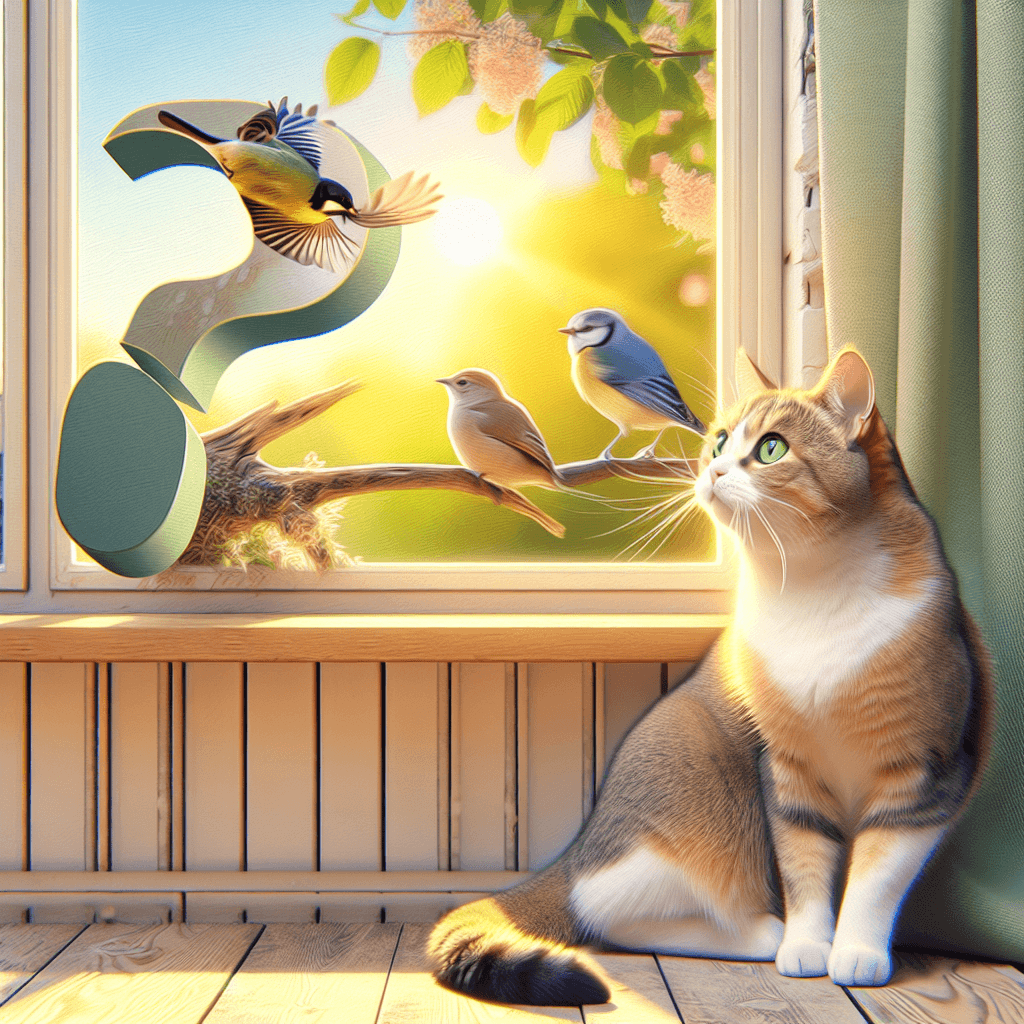
If you share your home with a feline companion, you have likely witnessed the curious phenomenon known as chattering. Your cat, perched intently on a windowsill, spots a bird or squirrel outside. Suddenly, their body tenses, their eyes dilate, and their jaw begins to vibrate rapidly, producing a series of rhythmic clicks or chirps. This behavior—often affectionately referred to by pet owners as "ekekeke"—is more than just a quirky personality trait. It is a complex window into the predatory biology and ancestral history of the domestic cat (Felis catus). Understanding why cats make a strange chattering sound with their jaws while watching birds through a window allows owners to better appreciate the innate instincts that drive their pets' daily lives.
The Instinctive "Kill Bite" Preparation
One of the most widely accepted scientific theories regarding chattering involves the physical mechanics of the hunt. In the wild, felines utilize a specific "lethal bite" or cervical bite to dispatch prey quickly and humanely. This involves a rapid, vibrating motion of the jaw designed to wedge the canine teeth between the vertebrae of a bird or rodent, severing the spinal cord.
Ethologists, such as Dr. Nicholas Dodman, suggest that the chattering seen at the window may be a form of "vacuum activity." This occurs when an animal performs the motor patterns of a behavior in the absence of the actual stimulus (the prey). When a cat chatters, they are essentially practicing the physical motions of the kill:
- Rapid Jaw Movement: Mimics the high-frequency vibrations needed to find the gap between vertebrae.
- Tooth Alignment: Prepares the specialized mechanoreceptors in the teeth to feel for the correct positioning.
- Muscle Priming: Engages the masseter and temporal muscles used in feline predation.
Predatory Frustration and Adrenaline
While the physical motion mimics the kill bite, the emotional driver is often a combination of intense excitement and frustration. When a cat observes a bird through a pane of glass, their predatory sequence (stalk, pounce, bite) is interrupted by a physical barrier.
This creates a state of high arousal. The feline brain releases adrenaline and dopamine as it prepares for a hunt that it cannot complete. Animal behaviorists believe the chattering sound is a vocalization of this pent-up energy. It is an outlet for the frustration of being unable to reach the target. This is supported by observations that cats rarely chatter when they are actively hunting in the wild or in a garden; they remain silent to maintain the element of surprise. The sound is almost exclusively reserved for situations where the prey is visible but inaccessible.
The Theory of Vocal Mimicry
A more recent and intriguing perspective in feline research involves the possibility of vocal mimicry. A study by the Wildlife Conservation Society recorded wild margays (a small neotropical cat) mimicking the calls of pied tamarins to lure them closer.
While domestic cats are not necessarily "talking" to birds, some researchers speculate that the chirping sounds associated with chattering may be an attempt to mimic the vocalizations of the prey. By producing sounds that are similar in frequency to bird calls or rodent squeaks, the cat may be instinctively attempting to lower the prey's guard or entice it to investigate, though this theory requires further empirical study in domestic settings.
Enhancing the Environment for the Indoor Hunter
Because chattering is a sign of high predatory drive and potential frustration, it serves as a reminder of the importance of environmental enrichment. To support your cat’s psychological well-being, experts recommend:
- Interactive Play: Use wand toys to allow the cat to complete the "predatory sequence" by catching and "killing" a physical object.
- Visual Stimulation: While the window provides "Cat TV," ensure the cat has an outlet for that energy afterward.
- Food Puzzles: Forcing a cat to "hunt" for kibble can satisfy the cognitive aspects of the search-and-capture instinct.
Conclusion
Understanding why cats make a strange chattering sound with their jaws while watching birds through a window reveals the sophisticated predator residing within our domesticated friends. Whether it is a rehearsal of the lethal cervical bite, an expression of predatory frustration, or a relic of ancient mimicry, the chatter is a healthy and natural display of feline biology. By recognizing these behaviors as expressions of deep-seated instincts, owners can provide better care through targeted enrichment and play. The next time you hear those rapid-fire clicks from the windowsill, you aren't just hearing a "strange sound"—you are witnessing thousands of years of evolutionary history in action. If you notice any sudden changes in your cat’s jaw movements when prey is not present, consult a veterinarian to rule out dental or neurological concerns.