Why do cats often experience a frantic burst of energy known as poop euphoria after using the litter box
Ever wondered why your cat transforms into a furry lightning bolt immediately after using the litter box? Discover the fascinating biological triggers behind "poop euphoria" and why that frantic post-bathroom sprint is more than just a quirky case of the zoomies.

Too Long; Didn't Read
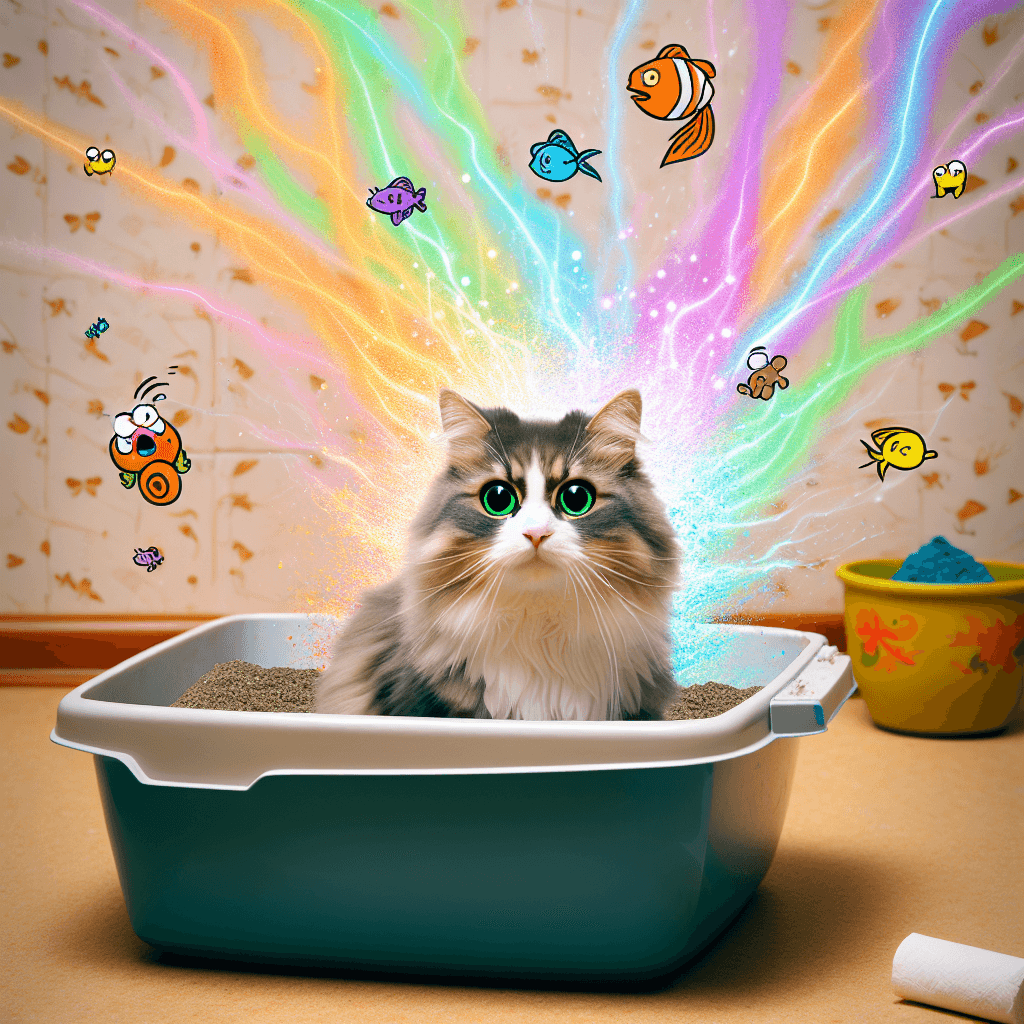
Poop euphoria occurs when the vagus nerve is stimulated during defecation, triggering a pleasurable physiological rush. This sensation, often paired with a survival instinct to run away from their scent to avoid predators, results in the frantic burst of energy known as the zoomies.
The Science of Post-Elimination Zoomies: Why Do Cats Often Experience a Frantic Burst of Energy Known as Poop Euphoria After Using the Litter Box?
Most cat owners have witnessed it: the sudden, high-speed dash through the house immediately following a trip to the litter box. This behavior, colloquially known as the "zoomies" or more scientifically as "poop euphoria," is a fascinating intersection of feline biology and ancestral instinct. While it may appear comical or even chaotic, there are significant physiological and evolutionary drivers behind why do cats often experience a frantic burst of energy known as poop euphoria after using the litter box. Understanding this behavior is more than just a matter of curiosity; it provides insight into feline health and the complex nervous system that dictates much of their daily lives. This post explores the biological mechanisms and survival traits that turn a routine bathroom break into a celebratory sprint.
The Biological Catalyst: The Vagus Nerve
The primary scientific explanation for this sudden energy involves the vagus nerve. In mammals, the vagus nerve is the longest cranial nerve, running from the brainstem through the neck and down into the abdomen. It plays a critical role in the parasympathetic nervous system, regulating heart rate and digestion.
When a cat has a bowel movement, the distension of the rectum can stimulate the vagus nerve. In humans, this phenomenon can occasionally cause a drop in blood pressure or heart rate, but in cats, the stimulation often leads to what researchers call "poo-phoria." This neurochemical release produces a temporary sense of exhilaration and physical relief. The frantic running or Frenetic Random Activity Period (FRAP) is the cat’s way of processing this sudden surge of endorphins and energy.
Evolutionary Instincts and Predator Avoidance
Beyond internal biology, animal behaviorists point to feline ancestry to explain these post-litter box sprints. In the wild, cats occupy a unique ecological niche as both meso-predators and prey for larger carnivores.
- Distance and Safety: Elimination is a vulnerable moment. Furthermore, waste serves as a potent scent marker that could alert predators to a cat’s location. By running away quickly after the act, a cat instinctually puts distance between themselves and the "scent trail."
- Territorial Cleanliness: Cats are naturally fastidious. Moving away rapidly from the waste site is an instinctual way to maintain personal hygiene and ensure that their immediate "safe zone" remains free of the odors associated with elimination.
Physical Relief and Mechanical Energy
There is also a mechanical explanation regarding physical comfort. A cat may experience a literal sense of "lightness" or relief after emptying their bowels, particularly if they have been holding it or if the stool was large. This transition from a state of physical tension and focus to a state of relief can manifest as a burst of movement. This is particularly common in younger cats who have higher baseline energy levels and are more prone to FRAPs throughout the day.
Differentiating Euphoria from Discomfort
While poop euphoria is generally a sign of a healthy, functioning digestive system, owners should monitor the behavior to ensure it is truly celebratory and not a reaction to pain. Veterinary professionals suggest looking for the following signs that may indicate a medical issue:
- Vocalization: While some cats are "vocal poopers," excessive yailing or cries of distress during or after the sprint may indicate constipation or feline lower urinary tract disease (FLUTD).
- Litter Box Aversion: If a cat bolts out of the box because the act of elimination was painful, they may begin to associate the box with discomfort, leading to elimination outside the designated area.
- Incomplete Elimination: If a cat is sprinting while still in the process of defecating, it may be a sign of gastrointestinal distress or a "dingleberry" causing panic.
Conclusion
In summary, the phenomenon of poop euphoria is a multifaceted behavior driven by the stimulation of the vagus nerve and ancient survival instincts designed to protect cats from discovery by predators. Recognizing why do cats often experience a frantic burst of energy known as poop euphoria after using the litter box allows owners to appreciate the unique physiological makeup of their feline companions. While the sight of a cat bolting across the room may be entertaining, it serves as a reminder of their wild heritage and the complex internal systems that govern their daily well-being. By observing these patterns, owners can ensure their cats remain healthy and provide the necessary environmental enrichment to complement their natural bursts of energy. If this behavior ever appears to be driven by discomfort rather than joy, consultation with a veterinary professional is recommended to ensure optimal digestive health.