Why do cats often leave their mouths hanging open in a strange grimace after sniffing a strong scent
Ever wonder why your cat looks completely scandalized after a quick sniff? Discover the hidden "sixth sense" behind that hilarious open-mouthed grimace and the secret sensory world your feline friend is actually detecting.

Too Long; Didn't Read
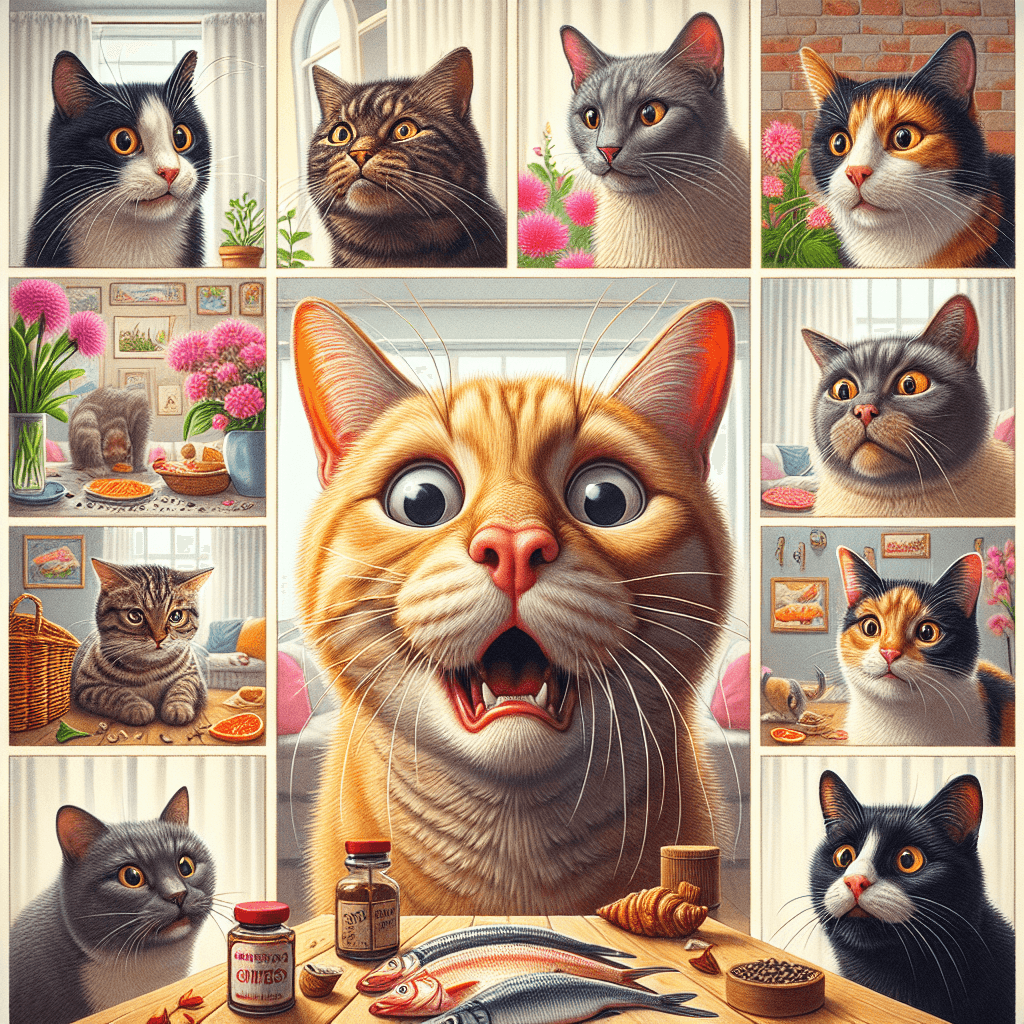
This behavior is called the Flehmen response. Cats open their mouths to direct scents toward the vomeronasal organ, also known as Jacobson's organ, located in the roof of the mouth. This allows them to more deeply analyze complex odors and pheromones that a normal sniff cannot fully process.
The Science of the "Stinky Face": Why do cats often leave their mouths hanging open in a strange grimace after sniffing a strong scent?
Have you ever witnessed your cat sniff an object—perhaps a shoe, a new piece of furniture, or even another pet—only to pull away with a bizarre, open-mouthed expression? This look, often characterized by curled lips and a vacant stare, is colloquially known among pet owners as "stinky face." However, in the world of veterinary science and animal behavior, this phenomenon is known as the Flehmen response. While it may look like a look of disgust or confusion, it is actually a highly sophisticated biological process that allows your cat to "taste-smell" the world around them. Understanding why do cats often leave their mouths hanging open in a strange grimace after sniffing a strong scent? provides a fascinating window into the complex sensory world of felines and deepens the bond between humans and their mysterious companions.
The Anatomy of the Flehmen Response: The Jacobson’s Organ
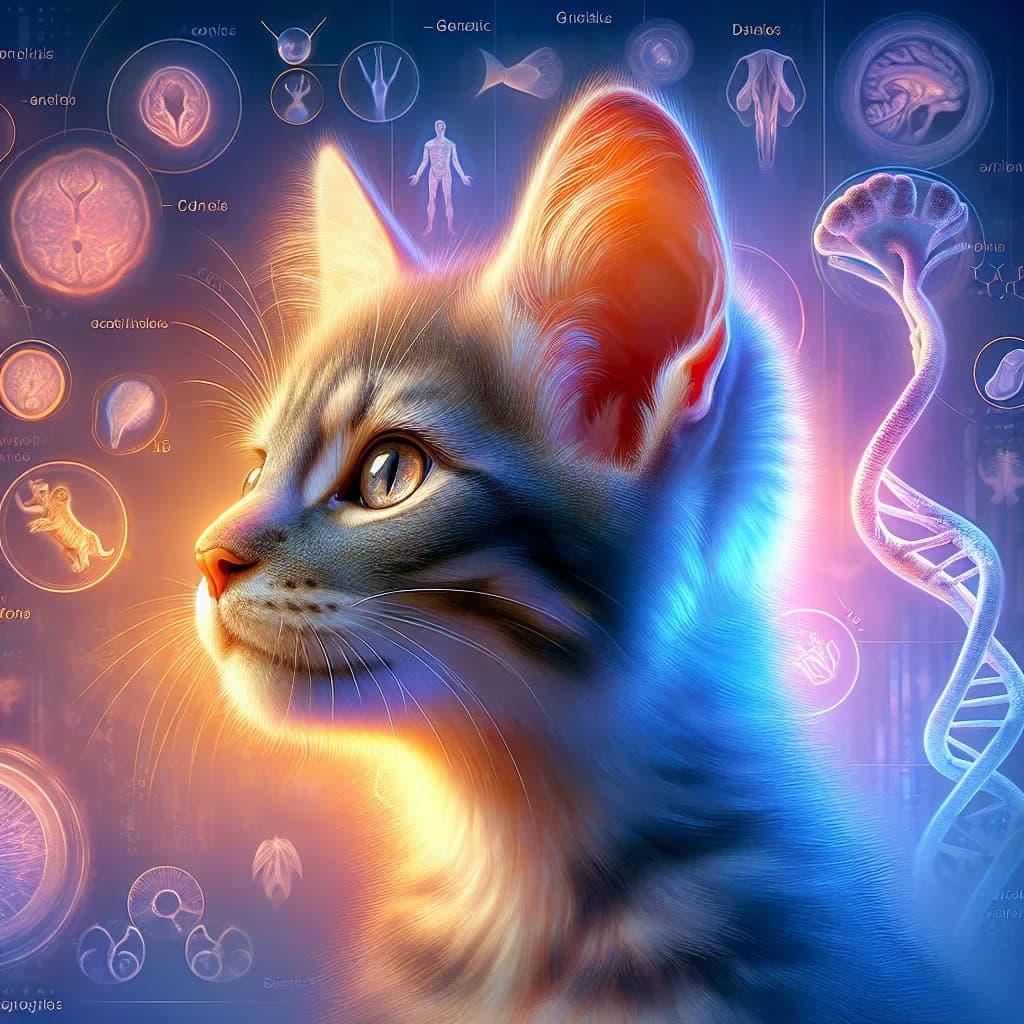
To understand this behavior, we must first look at feline anatomy. Cats possess a specialized sensory structure called the vomeronasal organ, or Jacobson’s organ. This organ is located in the roof of the mouth, just behind the front incisors, and is connected to the nasal cavity by two small ducts called the incisive canals.
When a cat performs the Flehmen response (derived from the German word flehmen, meaning to curl the upper lip), they are not simply breathing. They are actively drawing air toward this organ. By slightly opening their mouths and curling their lips, they create a vacuum-like effect that pulls scent molecules—specifically non-volatile chemicals like pheromones—directly onto the Jacobson’s organ. This organ contains sensory neurons that bypass the standard olfactory bulb used for normal smelling, sending signals directly to the hypothalamus in the brain.
Decoding the Chemical Message
The primary purpose of the Flehmen response is to analyze pheromones. These are chemical "messages" left behind by other animals that convey a wealth of information. Unlike the scent of a treat or a flower, which is processed through the nose, pheromones require the specialized processing of the vomeronasal organ.
Through this grimace, a cat can determine:
- Territorial Boundaries: Is this territory claimed by another cat?
- Identity and Health: Which specific cat left this scent, and are they healthy or stressed?
- Reproductive Status: In unneutered populations, the Flehmen response is critical for males to identify if a female is in heat.
- Familiarity: Detecting the presence of known "friends" or potential rivals in the environment.
Evolutionary Context and Species Comparison
The Flehmen response is not unique to domestic cats. It is an evolutionarily conserved trait found in many mammals, including lions, tigers, horses, goats, and giraffes. While the "grimace" looks slightly different across species—horses often tilt their heads back and dramatically curl their upper lips—the biological function remains the same.
Interestingly, while humans have a vestigial vomeronasal organ, it is largely non-functional. This is why the behavior seems so alien to us; we lack the sensory equipment to perceive the chemical data that cats find so engrossing. In the domestic setting, you may notice your cat performing this response more frequently after you come home from work, as you bring in a variety of "foreign" chemical data on your clothes and skin.
Distinguishing Flehmen from Medical Issues
While the Flehmen response is a perfectly normal and healthy behavior, pet owners should be able to distinguish it from other conditions. The Flehmen response is usually brief, lasting only a few seconds, and follows a deliberate sniff of a specific object.
Conversely, if a cat leaves its mouth hanging open for extended periods without a scent trigger, it could indicate:
- Dental Pain: Periodontal disease or resorptive lesions can cause a cat to hold its mouth in an unusual position.
- Respiratory Distress: Panting or open-mouthed breathing in cats is often a medical emergency, indicating overheating, heart disease, or lung issues.
- Nausea: Cats may drool or hang their mouths open if they feel ill.
If the "grimace" is accompanied by lethargy, labored breathing, or a lack of appetite, a consultation with a veterinarian is essential.
Conclusion
Understanding why do cats often leave their mouths hanging open in a strange grimace after sniffing a strong scent? transforms a humorous household moment into an appreciation of feline biology. The Flehmen response is a testament to the cat’s role as a highly tuned predator and social communicator, utilizing the Jacobson’s organ to "see" a world of chemical data that remains invisible to humans. By recognizing this behavior as a sign of active environmental engagement rather than confusion, owners can better respect the natural instincts of their pets. Always observe your cat’s sensory habits closely, and should you notice open-mouthed breathing that seems unrelated to sniffing, seek professional veterinary guidance to ensure their continued health and well-being.