Why do cats perform a slow blink to signal trust and affection when gazing at their human companions
Ever wondered why your cat locks eyes with you only to slowly lower their lids? Discover the heartwarming science behind the "feline kiss" and why this subtle gesture is the ultimate secret signal of trust and devotion.

Too Long; Didn't Read
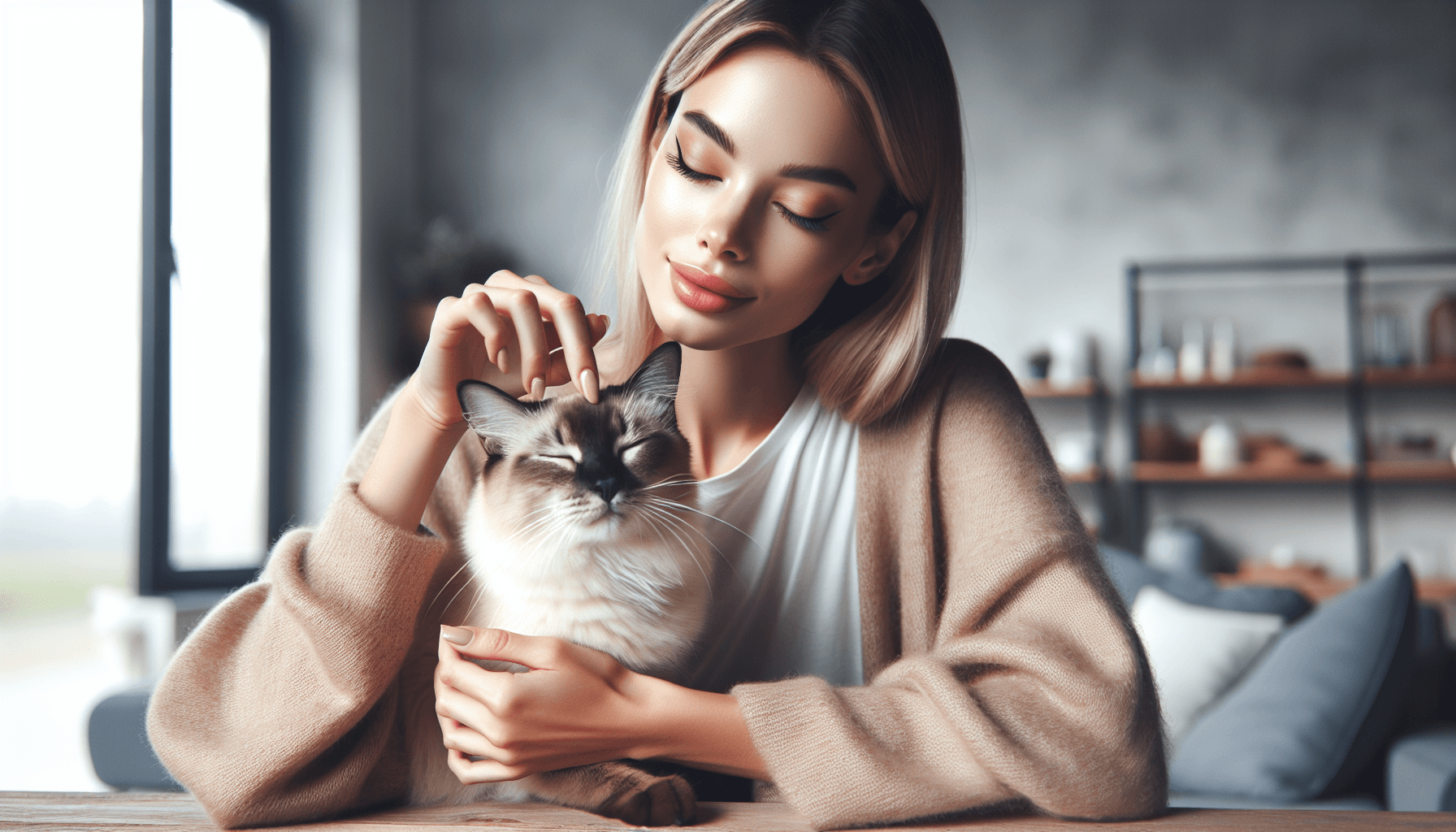
Cats perform a slow blink to signal trust because closing their eyes in your presence demonstrates that they feel safe and vulnerable. This feline kiss serves as a non-threatening way to communicate affection and strengthen the emotional bond between a cat and its owner.
Decoding the "Cat Kiss": Why Do Cats Perform a Slow Blink to Signal Trust and Affection When Gazing at Their Human Companions?
In the wild, a fixed stare is rarely a sign of friendship; for most predators, prolonged eye contact serves as a prelude to an attack or a display of territorial dominance. However, within the domestic setting, the feline gaze takes on a remarkably different meaning. Many cat owners have observed their pets looking at them with narrowed eyes, slowly closing and then reopening their lids in a rhythmic, peaceful motion. Often referred to by behaviorists as the "cat kiss," this subtle gesture is a cornerstone of feline communication. Understanding why do cats perform a slow blink to signal trust and affection when gazing at their human companions is essential for any owner looking to deepen their bond with their pet. This post explores the biological origins, scientific research, and practical applications of the feline slow blink.
The Evolutionary Significance of Eye Contact
To understand the slow blink, one must first understand the feline's history as both a predator and a solitary hunter. In the animal kingdom, particularly among felids, direct eye contact is frequently interpreted as a threat or a challenge. A cat that stares without blinking is often signaling aggression or asserting dominance over a resource.
By contrast, the act of closing one's eyes—even for a few seconds—is an act of extreme vulnerability. In a natural environment, a cat that closes its eyes is momentarily lowering its guard against potential threats. When a domestic cat performs this gesture while looking at a human, it is providing a powerful physiological signal: "I do not perceive you as a threat, and I am comfortable enough to be vulnerable in your presence." This behavior represents a significant evolutionary shift from the defensive instincts of their wild ancestors to the social signaling of domesticated companions.
Scientific Evidence: The Portsmouth and Sussex Study
While cat owners have long suspected that the slow blink was a sign of affection, it wasn't until 2020 that scientific research provided empirical evidence. A study published in the journal Scientific Reports by psychologists at the Universities of Sussex and Portsmouth investigated whether this behavior could facilitate communication between humans and cats.
The researchers identified two distinct phases of the slow blink:
- The Half-Blink: A series of half-eye closures where the eyelids narrow but do not close completely.
- The Prolonged Closure: A full eye closure that lasts longer than a typical autonomic blink.
The study revealed that cats were significantly more likely to slow blink at their owners if the owners had initiated the gesture first. Furthermore, cats were more likely to approach a stranger who performed a slow blink compared to one who maintained a neutral expression. This suggests that the slow blink is a functional tool for "breaking the ice" and establishing a positive social rapport across species.
Behavioral Indicators of Feline Trust
The slow blink rarely occurs in isolation. It is part of a broader suite of behaviors that indicate a cat feels secure and bonded. When assessing your cat’s emotional state, look for these accompanying signs:
- Relaxed Body Posture: A cat performing a slow blink will usually have a soft, relaxed body, often with its paws tucked under or lying on its side.
- The "Question Mark" Tail: A tail held upright with a slight curl at the tip often accompanies friendly facial expressions.
- Vocalizations and Pheromones: Purring or "bunting" (rubbing their cheeks against you) often occurs alongside slow blinking to deposit facial pheromones, further marking the human as a safe member of their social group.
Practical Application: How to "Talk Back" to Your Cat
One of the most rewarding aspects of understanding why do cats perform a slow blink to signal trust and affection when gazing at their human companions is the ability to reciprocate. Veterinary behaviorists recommend using the slow blink as a non-invasive way to reduce a cat's stress, particularly in shelter environments or with shy rescues.
To communicate with your cat using this method, follow these steps:
- Establish Soft Contact: Look at your cat with a relaxed face. Avoid a "hard stare," which can be intimidating.
- Narrow Your Eyes: Slowly narrow your eyes as if you are about to fall asleep.
- The Closure: Close your eyes for one to two seconds, then slowly open them.
- Look Away: Briefly avert your gaze after the blink to signal that you are not a threat.
Conclusion
The slow blink is far more than a simple quirk of feline behavior; it is a sophisticated biological signal rooted in trust and the suspension of predatory instincts. By acknowledging why do cats perform a slow blink to signal trust and affection when gazing at their human companions, we gain a deeper appreciation for the nuanced emotional lives of our pets. This gesture serves as a bridge between two very different species, allowing for a shared language of peace and security. Recognizing and responding to these subtle cues is a fundamental component of responsible pet ownership and animal welfare. The next time your cat catches your eye and slowly lowers their lids, remember that they are offering you the ultimate feline compliment—a sign of total safety in your company.