Why do cats produce a rapid chattering noise with their jaws when observing birds they cannot reach
Have you ever caught your cat "trash-talking" a bird through the window with a series of strange, rapid clicks? Uncover the surprising science behind this eerie chattering and whether it’s a lethal hunting reflex or a sign of pure feline frustration.

Too Long; Didn't Read
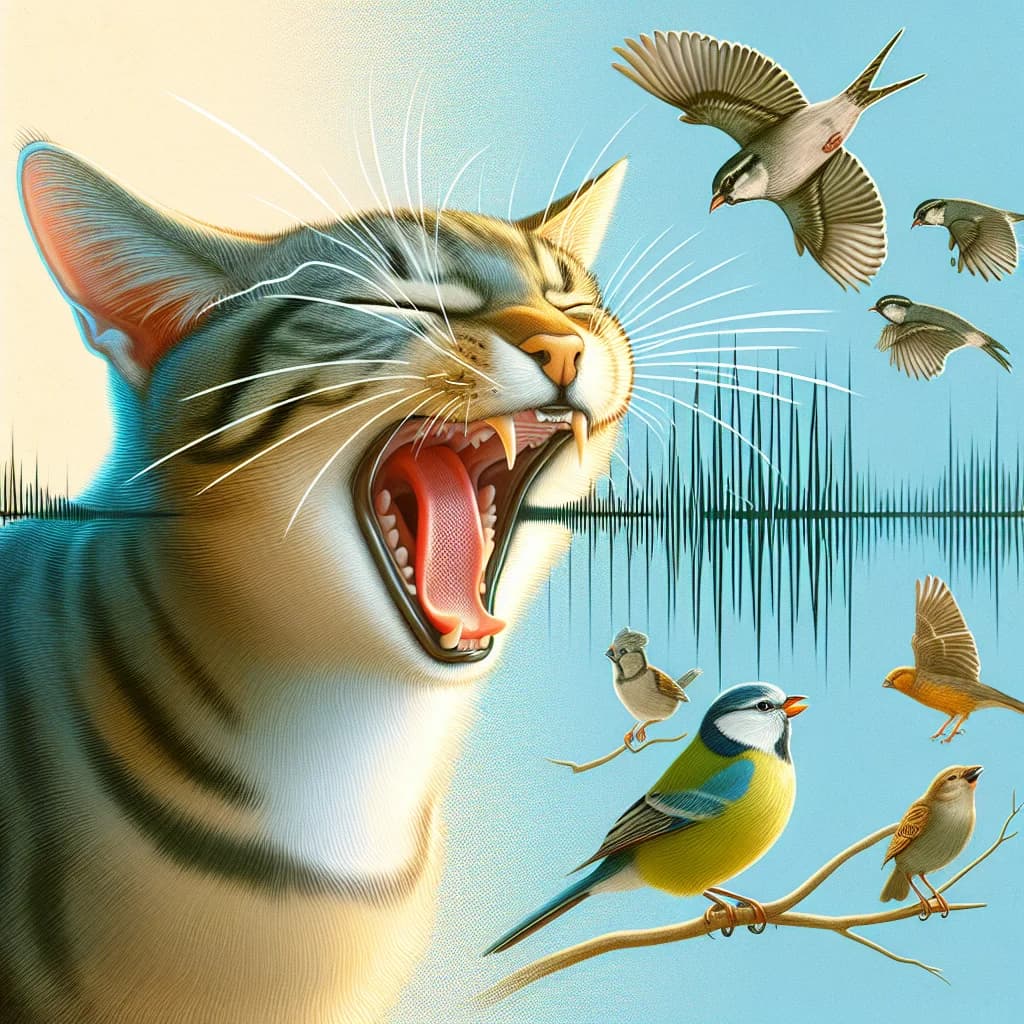
Cats chatter at birds due to a combination of predatory excitement and frustration at being unable to reach their prey. This behavior is often an instinctual rehearsal of the killing bite or an attempt to mimic the sounds of their target to lure it closer.
Decoding the Feline Chirp: Why do cats produce a rapid chattering noise with their jaws when observing birds they cannot reach?
Watching a domestic cat spot a bird through a window is a study in focused intensity. Their pupils dilate, their tails twitch rhythmically, and most peculiarly, they begin to emit a series of rapid, rhythmic "ek-ek-ek" sounds accompanied by a fast vibration of the jaw. This behavior, often called "chattering" or "twittering," is one of the most fascinating aspects of feline biology and ethology. While it may look humorous to a pet owner, it is a deeply rooted predatory response that offers a window into the evolutionary history of Felis catus. Understanding why do cats produce a rapid chattering noise with their jaws when observing birds they cannot reach is essential for recognizing their instinctual needs and maintaining their psychological well-being. This post explores the leading scientific theories behind this behavior, ranging from physiological preparation to cognitive frustration.
The "Kill Bite" Theory: Evolutionary Muscle Memory
The most prominent scientific explanation for feline chattering is rooted in the physical mechanics of hunting. In the wild, felids utilize a specialized "lethal bite" to dispatch prey quickly. This involves a rapid series of jaw movements designed to sever the prey's spinal cord at the neck.
- Mechanical Simulation: Some animal behaviorists, including renowned zoologist Desmond Morris, suggest that the chattering noise is a vacuum activity—a behavior performed in the absence of the actual stimulus. The cat is essentially "practicing" or anticipating the killing bite.
- The Specialized Jaw: Feline physiology is optimized for this movement. Their teeth and jaw muscles are designed for precision. When a cat observes a bird, its motor neurons may fire in anticipation, triggering the jaw muscles to mimic the rapid biting motion they would use if the bird were within reach.
Displacement Behavior and Predatory Frustration
Another widely accepted theory suggests that chattering is a form of displacement behavior. In animal psychology, displacement occurs when an animal is highly motivated to perform an action but is prevented from doing so by an external barrier—in this case, a glass window.
The Role of Adrenaline
When a cat spots a bird, its sympathetic nervous system enters a state of high arousal. Adrenaline surges, preparing the body for a "pounce and strike." When the cat realizes it cannot reach the prey, the pent-up energy must be released.
Expressing Conflict
The chattering is an outward manifestation of the conflict between the cat’s intense predatory drive and the physical impossibility of the catch. This is similar to a human tapping their foot or drumming their fingers when frustrated or impatient. It is a physical discharge of nervous energy that helps the cat manage the sudden spike in physiological arousal.
The Mimicry Hypothesis: A Specialized Hunting Tactic
While less common in domestic cats, some researchers believe chattering may have evolutionary roots in mimicry. A landmark study by the Wildlife Conservation Society (WCS) observed wild Margays (small spotted cats in the Amazon) mimicking the calls of baby pied tamarins to lure prey closer.
While a domestic cat's chatter doesn't sound exactly like a bird’s chirp to the human ear, the frequency and rhythm may serve as a rudimentary form of "acoustic luring." By making subtle, bird-like sounds, an ancestral feline might have been able to pique a bird's curiosity just long enough to bridge the distance for a strike. While this theory is debated, it highlights the complex cognitive capabilities of the feline mind.
Supporting the Instinctive Hunter
Recognizing that chattering is a sign of high arousal and potential frustration is important for responsible pet ownership. Since the cat is experiencing a "predatory loop" that has no physical resolution, owners can help by providing appropriate outlets for these instincts.
- Interactive Play: Following a window-watching session with a wand toy or laser pointer allows the cat to complete the "hunt, catch, kill" cycle, reducing frustration.
- Environmental Enrichment: Provide "cat trees" near windows to allow for a better vantage point, but ensure the cat has "safe zones" where they can retreat if they become overstimulated.
- Food Puzzles: Use foraging toys to stimulate the brain and mimic the reward of a successful hunt.
Conclusion
The rapid chattering noise a cat produces when observing birds is a testament to their enduring nature as apex predators. Whether it is a physiological rehearsal of the "killing bite," a release of adrenaline-fueled frustration, or a vestige of ancient mimicry, this behavior is a normal and healthy expression of feline biology. By understanding why do cats produce a rapid chattering noise with their jaws when observing birds they cannot reach, owners can better appreciate the complex inner lives of their companions. Providing structured play and enrichment ensures that these powerful predatory instincts are channeled into positive activities, strengthening the bond between humans and their fascinating feline friends. If a cat’s vocalizations change suddenly or are accompanied by signs of distress, always consult a veterinary professional to rule out underlying health issues.