Why do cats purr at a specific frequency that can help heal human bones and promote tissue regeneration
Your cat’s purr isn’t just a sign of affection—it’s a biological superpower vibrating at a precise frequency that can actually mend human bones and regenerate tissue. Discover the hidden science behind this feline "healing frequency" and how your pet might be your body’s most surprising natural medicine.

Too Long; Didn't Read
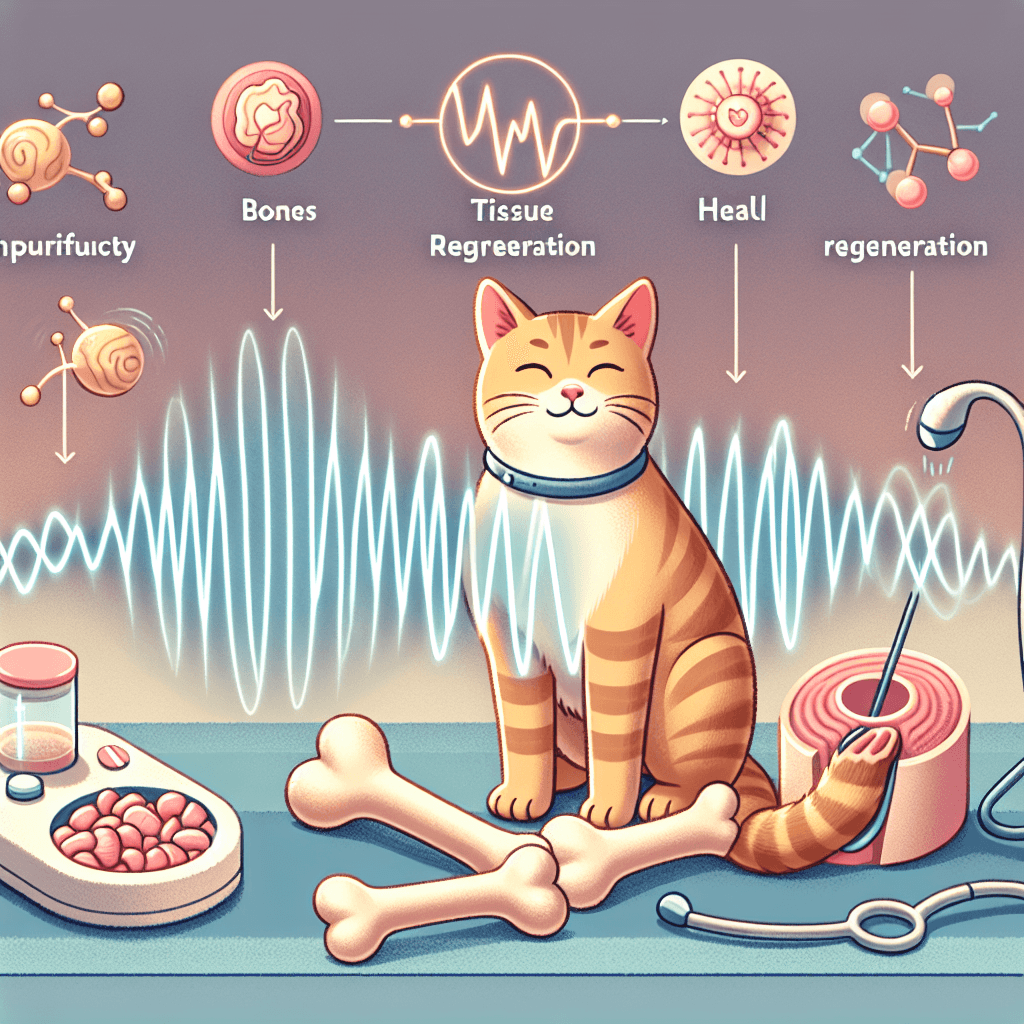
Cats purr at frequencies between 25 and 150 Hertz, a range scientifically linked to increased bone density and accelerated tissue repair. This natural vibration acts as a therapeutic mechanism that helps cats maintain health during rest and can provide similar regenerative benefits to humans in close proximity.
The Healing Power of Feline Vibrations: Why do cats purr at a specific frequency that can help heal human bones and promote tissue regeneration?
The low rumble of a cat’s purr is one of nature’s most comforting sounds, traditionally associated with a feline’s deep contentment. However, for decades, veterinarians and bio-acousticians have recognized that purring is much more than a simple expression of happiness. It is a complex survival mechanism rooted in evolutionary biology. Scientists have long pondered the medical implications of this behavior: Why do cats purr at a specific frequency that can help heal human bones and promote tissue regeneration? This phenomenon is not mere coincidence but an evolutionary adaptation designed for self-repair and maintenance. Understanding the science behind these therapeutic vibrations offers profound insights into the human-animal bond and the unique physiological capabilities of domestic cats. This post explores the bio-mechanical mechanics of purring and the evidence-based research regarding its ability to facilitate healing in both cats and the humans they live with.
The Bio-Mechanics of the Purr
To understand the healing potential of a purr, one must first understand how it is produced. Unlike other feline vocalizations, purring is a continuous sound produced during both inhalation and exhalation. It is initiated by a "neural oscillator" in the cat’s brain, which sends rhythmic messages to the laryngeal muscles. These muscles twitch at a rate of 25 to 150 Hertz (cycles per second), causing the vocal folds to separate and create the signature vibrating sound.
While many believe cats only purr when happy, they also purr under extreme stress, pain, or when recovering from an injury. This suggests that purring serves an internal homeostatic function. By vibrating their own bodies, cats may be employing a form of "internal massage" that maintains their physical health during long periods of rest.
Why Frequencies Matter: The 25-50 Hz Sweet Spot
Research in the field of bio-acoustics has identified that certain sound frequencies have a measurable impact on biological tissue. Specifically, frequencies between 25 and 50 Hz are the most effective for improving bone density and promoting the healing of fractures. Higher frequencies, up to 150 Hz, have been linked to the repair of tendons and the relief of joint pain.
Wolff’s Law and Bone Density
The reason these frequencies are effective relates to "Wolff’s Law," a theory in anatomy and physiology stating that bone in a healthy person or animal will adapt to the loads under which it is placed. If loading on a particular bone increases, the bone will remodel itself over time to become stronger. Mechanical vibrations—such as those produced by a purring cat—act as a form of "loading." Because cats spend a significant portion of their lives sleeping or conserving energy, purring may be a low-energy way to keep their bones and tissues healthy and strong without the need for strenuous physical activity.
Therapeutic Benefits for Humans
The proximity of a purring cat provides more than just emotional comfort; the vibrations are physically transferred to the human body. Because human bone and tissue respond to the same frequency ranges as feline tissue, the presence of a purring cat can offer several documented health benefits:
- Bone Healing: Exposure to frequencies in the 25–50 Hz range can assist in the stabilization of bone fractures and may even help prevent osteoporosis.
- Tissue Regeneration and Wound Healing: These vibrations help reduce inflammation and swelling, which speeds up the repair of muscles, tendons, and ligaments.
- Cardiovascular Health: Clinical studies have shown that cat owners have a significantly lower risk of dying from heart disease or stroke. The act of petting a purring cat lowers blood pressure and reduces the heart rate, likely due to the combination of rhythmic sound and tactile vibration.
- Reduction of Dyspnea: Evidence suggests that the frequency of a cat’s purr can help humans with dyspnea (difficulty breathing) by lowering the work required for the respiratory system.
Evolutionary Perspectives and Veterinary Consensus
In the veterinary community, the "purr-as-therapy" hypothesis is gaining traction. While wild felids like lions and tigers also produce low-frequency sounds, the domestic cat’s purr is uniquely tuned to a range that benefits both the individual and its offspring. Nursing mother cats purr to act as a vibrating homing beacon for their kittens, who are born blind and deaf but can feel vibrations. This promotes early-stage growth and bone development in the litter.
From a zoological standpoint, the domestic cat's ability to heal faster and survive falls from significant heights—often with fewer complications than other mammals—is frequently attributed to this built-in vibrational therapy. While more clinical trials are needed to standardize "purr therapy" in human medicine, the existing data suggests a powerful biological synergy between felines and their human companions.
Conclusion
The question of why do cats purr at a specific frequency that can help heal human bones and promote tissue regeneration reveals a fascinating intersection of animal behavior and regenerative medicine. Far from being a simple sign of affection, the feline purr is a sophisticated survival tool that maintains bone density and accelerates the healing of soft tissues. By understanding the science behind these 25–150 Hz vibrations, owners can better appreciate the biological marvel that is the domestic cat. For responsible pet owners, this knowledge reinforces the importance of maintaining a cat’s health through proper nutrition and regular veterinary check-ups, ensuring that this unique human-animal bond continues to provide mutual therapeutic benefits. If you suspect your cat is purring excessively due to pain rather than contentment, always consult a veterinary professional to ensure their well-being.