Why do certain breeds of domestic goats stiffen and collapse when they are suddenly startled or excited
It looks like a comedic pratfall, but the science behind why certain goats "faint" is a fascinating biological mystery hidden deep within their DNA. Discover the surprising reason these quirky animals lock up the moment life gets a little too exciting.

Too Long; Didn't Read
Myotonic goats stiffen and fall due to a genetic condition called myotonia congenita. When startled or excited, a chloride channel defect prevents their muscles from relaxing immediately after contracting, causing them to temporarily freeze and collapse while remaining fully conscious.
Understanding Myotonic Goats: Why do certain breeds of domestic goats stiffen and collapse when they are suddenly startled or excited?
The sight of a goat suddenly stiffening its limbs and toppling over after a loud noise or a burst of excitement has become a viral sensation on the internet. While these "fainting goats" provide a moment of amusement for many, the biological reality behind this behavior is a fascinating example of genetic inheritance and specialized physiology. Far from actually losing consciousness, these animals are experiencing a brief, involuntary muscle contraction that defines their breed. This phenomenon is not merely a quirk of behavior but a documented medical condition known as myotonia congenita. Understanding the science behind why certain breeds of domestic goats stiffen and collapse when they are suddenly startled or excited is essential for ensuring their welfare and appreciating the complex diversity of domestic livestock. This post explores the genetic, historical, and physiological factors that drive this unique trait.
The Biological Mechanism: What is Myotonia Congenita?
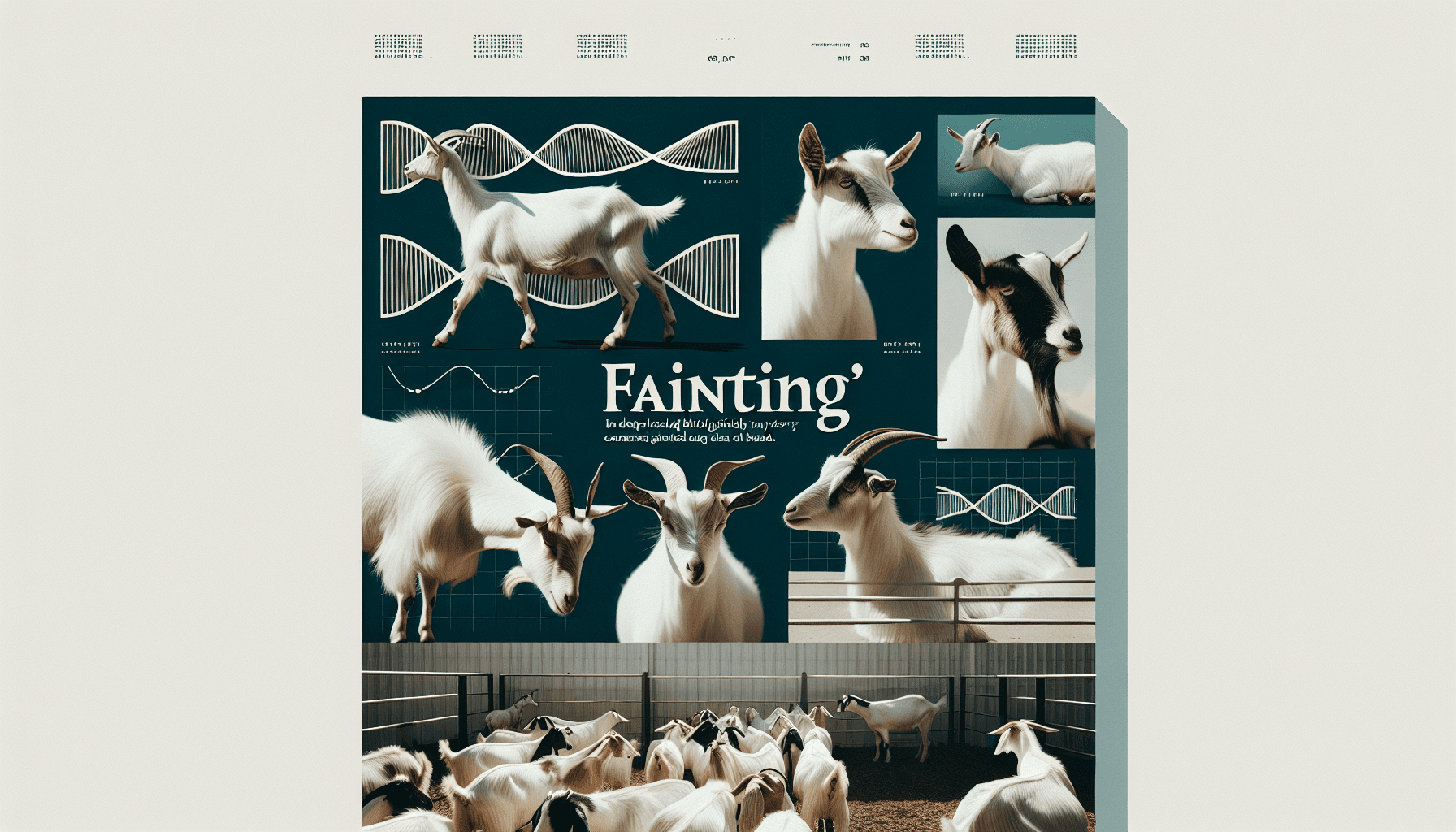
The primary reason these goats collapse is a hereditary genetic disorder called myotonia congenita. In these specific breeds—most notably the Tennessee Fainting Goat—a mutation occurs in the CLCN1 gene, which is responsible for the movement of chloride ions in skeletal muscle cells.
The Science of Muscle Relaxation
In a typical mammal, when the brain sends a signal for a muscle to contract, ions move across the cell membrane. Once the stimulus (such as fear or excitement) passes, chloride ions flood into the cells to reset the electrical charge, allowing the muscle to relax. In myotonic goats, this chloride channel is dysfunctional. When the goat is startled, their "fight or flight" response triggers an immediate muscle contraction. However, because the chloride channels do not function correctly, the muscles remain in a state of sustained contraction (tetany) for several seconds.
"Fainting" vs. Stiffening
It is a common misconception that these goats lose consciousness. Veterinary science clarifies that the central nervous system and brain are unaffected during these episodes; the goat remains fully awake and aware. The "collapse" occurs simply because the goat’s legs become rigid like "wooden stilts," making it impossible to maintain balance. As the muscles slowly receive the chemical signals to relax, the goat recovers and stands back up, usually within 10 to 30 seconds.
Historical Context and Breed Development
The most famous breed exhibiting this trait is the Tennessee Fainting Goat, also known as the Myotonic, Wooden Leg, or Stiff-leg goat. The history of the breed is somewhat mysterious, dating back to the late 1800s when a farm laborer named John Tinsley arrived in Marshall County, Tennessee, with four goats exhibiting this stiffening behavior.
From Anomaly to Breed
Farmers noticed that these goats were easier to contain because they could not jump over high fences like other breeds. Additionally, their unique muscle condition led to a higher muscle-to-bone ratio, making them valued as a meat breed. Over generations, the trait was selectively bred. While it began as a spontaneous mutation, it became the defining characteristic of a recognized American landrace breed. Today, organizations like The Livestock Conservancy track these animals to preserve their unique genetic heritage.
Husbandry and Welfare Considerations
Caring for myotonic goats requires a specific understanding of their physical limitations. While the condition is not painful, it does present unique safety challenges for the animals.
- Environmental Safety: Because these goats lose their balance, they should not be kept in areas with steep ledges or sharp, protruding objects that could cause injury during a fall.
- Stress Management: While excitement can trigger a collapse, owners should avoid intentionally scaring the animals. Frequent, high-stress triggers can lead to unnecessary physical strain.
- Differentiating Health Issues: It is vital for owners to distinguish between a myotonic episode and a neurological seizure. A myotonic goat will recover quickly and resume normal activity, whereas a seizure involves loss of consciousness and post-event disorientation.
Comparison with Other Species
Myotonia congenita is not exclusive to goats; it has been documented in humans, dogs, and horses. However, in most other species, it is viewed as a strictly pathological condition to be treated or bred out. In the domestic goat, it is one of the few instances where a genetic muscle disorder has been integrated into a breed standard due to its impact on the animal's temperament and physical conformation.
Conclusion
Understanding why certain breeds of domestic goats stiffen and collapse when they are suddenly startled or excited reveals a complex intersection of genetics and agricultural history. The phenomenon is a temporary muscular stiffness caused by a chloride channel malfunction, rather than a neurological "faint." Recognizing the reality of myotonia congenita allows owners and animal lovers to move past the novelty of the behavior and focus on the specialized care these animals require. By providing a low-stress environment and safe pastures, we can ensure that these unique members of the caprine family lead healthy, productive lives. For those considering adding myotonic goats to their farm, consulting with a veterinarian familiar with livestock genetics is a recommended step in responsible ownership.