Why do certain horse breeds naturally grow a long thick mustache on their upper lip
From dapper Gypsy Vanners to whiskered Shires, some horses are naturally gifted with facial hair that would make a Victorian gentleman jealous. Discover the fascinating biological secret behind these magnificent mustaches and why they’re far more than just a quirky fashion statement.

Too Long; Didn't Read
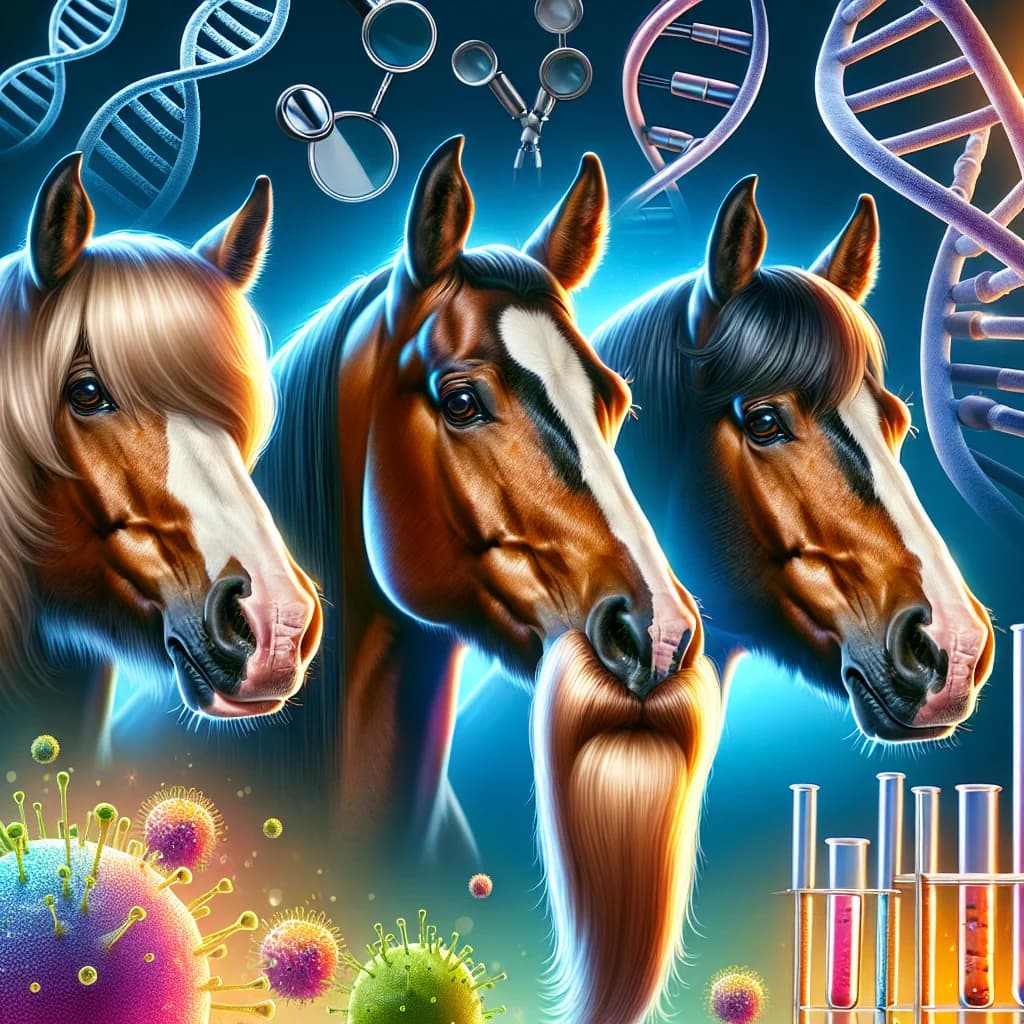
Horse mustaches are a genetic trait found primarily in breeds with heavy hair growth, such as Gypsy Vanners and Shires. These whiskers serve a functional purpose by protecting sensitive lips from prickles while foraging and providing extra sensory information about their environment.
The Equine Mustache: Why Do Certain Horse Breeds Naturally Grow a Long Thick Mustache on Their Upper Lip?
While most horse lovers are accustomed to the soft, velvet-like muzzles of their favorite companions, many are surprised—and often delighted—to encounter a horse sporting a full, distinctive mustache. This isn’t a grooming gimmick or a biological fluke; for certain breeds, facial hair is a natural and prominent feature. This unique trait is most commonly observed in "feathered" breeds, such as the Gypsy Vanner (Irish Cob), Shire, and Clydesdale. Understanding the biological and genetic roots of this phenomenon offers a fascinating glimpse into equine evolution and the specialized needs of different breeds. This blog post will explore the genetic origins, sensory functions, and husbandry requirements behind why certain horse breeds naturally grow a long thick mustache on their upper lip.
The Genetic Link: Feathering and Facial Hair
The presence of a mustache is not an isolated trait but is closely linked to the genetics responsible for "feathering"—the long, silky hair found on the lower legs of certain draft and cob breeds. In the world of equine genetics, these traits are often inherited together.
The gene responsible for heavy hair growth is common in breeds developed in the cooler, damper climates of the United Kingdom and Northern Europe. For example, the Gypsy Vanner is prized for its "abundance of hair," which includes a thick mane, tail, leg feathers, and, quite frequently, a mustache. While any horse can have small sensory whiskers (vibrissae), the long, curling mustache is a distinct manifestation of the same follicles that produce heavy coats and feathers. Veterinary science suggests that this trait is likely controlled by an autosomal dominant gene, though environmental factors like seasonal cycles can influence the thickness and length of the hair.
Sensory and Protective Functions
From a biological perspective, the mustache serves several practical purposes. Horses are "near-sighted" directly in front of their muzzles due to the placement of their eyes. To compensate, they rely on tactile feedback to navigate their environment.
Tactile Feedback and Foraging
Standard equine whiskers (vibrissae) act as specialized sensory organs, sending tactile information to the brain. A thick mustache amplifies this capability. In the wild or in grazing conditions, these hairs help the horse "feel" the texture and distance of objects, such as grass, fences, or water, before their sensitive skin makes contact. This is particularly useful in low-light conditions.
Protection from the Elements
The breeds known for mustaches originated in regions with significant rainfall and harsh winters. A thick mustache acts as a natural "rain gutter," channeling moisture away from the sensitive skin of the upper lip. This prevents the skin from becoming chapped or macerated in wet conditions. Additionally, the hair provides a layer of insulation against frost and wind, protecting the muzzle—one of the few areas on a horse with very little subcutaneous fat.
Husbandry and Health Considerations
Owning a horse with a natural mustache requires specific attention to hygiene and skin health. While the mustache is a mark of breed purity for many enthusiasts, it can occasionally present challenges in modern husbandry.
- Dermatitis and Hygiene: Just like the feathers on a horse's legs, facial hair can trap moisture, mud, and food particles. If left uncleaned, this can lead to skin irritation or fungal infections. Owners should regularly rinse and dry the mustache to ensure the underlying skin remains healthy.
- The Trimming Debate: Within the equestrian community, there is a divide regarding the trimming of facial hair. While some show circuits require a "clean" muzzle for aesthetic reasons, animal welfare advocates and many veterinarians discourage trimming. Removing these hairs can deprive the horse of essential sensory input and leave the skin vulnerable to sunburn and insects.
- Feeding Management: Mustaches can occasionally interfere with the consumption of mashes or wet feeds. Simply wiping the muzzle after feeding is usually sufficient to prevent the hair from becoming matted or sour.
Conclusion
The equine mustache is a remarkable example of how genetics and environment shape the physical characteristics of different breeds. Far from being a mere cosmetic curiosity, this thick facial hair is deeply rooted in the history of draft and cob breeds, providing essential sensory feedback and protection against harsh weather. For owners and enthusiasts, understanding why certain horse breeds naturally grow a long thick mustache on their upper lip is key to appreciating the diversity of the species and providing appropriate care. Whether you choose to let the mustache grow in its full, curling glory or keep it neatly tidied, recognizing its biological importance ensures a deeper bond with these unique and charismatic animals. If you notice any skin irritation or unusual hair loss on your horse's muzzle, always consult with an equine veterinarian to ensure their dermatological health.