Why do certain pet horse breeds possess the genetic ability to grow long mustaches on their upper lips
From dapper Gypsy Vanners to distinguished Shires, some horses are rocking facial hair that would make a Victorian gentleman jealous. Discover the fascinating genetic "secret sauce" behind these equine mustaches and the surprising evolutionary purpose they serve.

Too Long; Didn't Read
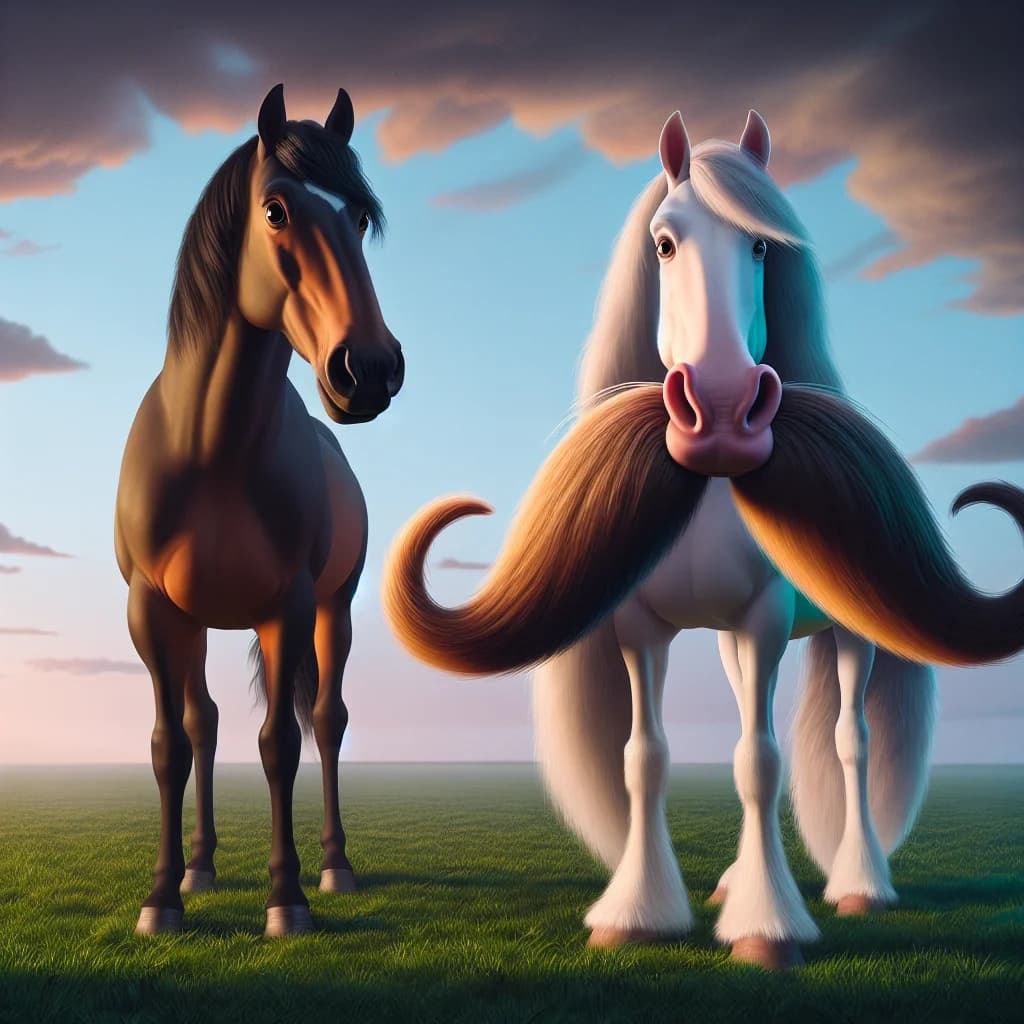
Certain horse breeds, particularly draft types like the Gypsy Vanner, grow mustaches due to a specific genetic predisposition linked to the same genes responsible for heavy hair growth and feathering. This trait serves as a sensory tool to help horses navigate their surroundings and identify food.
The Science of Equine Facial Hair: Why Do Certain Pet Horse Breeds Possess the Genetic Ability to Grow Long Mustaches on Their Upper Lips?
For most horse owners, a velvet-soft muzzle is the standard, perhaps accented by a few sparse, tactile whiskers. However, in the world of heavy draft horses and certain cob breeds, a striking and unusual physical trait often emerges: a full, flowing mustache. While it may look like a whimsical grooming choice, this facial hair is a biological phenomenon rooted deep in the DNA of specific lineages. Understanding why do certain pet horse breeds possess the genetic ability to grow long mustaches on their upper lips requires a look at equine genetics, evolutionary history, and the functional biology of hair growth. This exploration highlights the fascinating diversity of the equine species and provides essential context for the specialized care these unique animals require.
The Genetic Connection: Feathering and Keratin
The ability to grow a mustache is not an isolated trait; rather, it is genetically linked to the "feathering" found on a horse’s lower legs. Breeds that exhibit long, silky hair covering their hooves—such as the Gypsy Vanner, Shire, and Clydesdale—are the primary candidates for facial hair.
This phenomenon is driven by the same genetic markers that dictate heavy hair growth. While the exact "mustache gene" is still a subject of study within equine genomics, researchers have identified a strong correlation between high keratin production and these breeds. Keratin is the structural protein that makes up hair, hooves, and skin. In heavy-feathered breeds, the biological "instruction manual" for keratin production is set to an increased level, leading to thicker manes, denser tails, luxurious leg feathers, and, in many cases, a robust mustache on the upper lip.
Historical Context and Breed Origins
The presence of the equine mustache is most common in breeds originating from the United Kingdom and Northern Europe. Historically, these horses were developed for grueling work in cold, damp climates.
- The Gypsy Vanner (Irish Cob): Bred by the Romani people for pulling caravans, these horses were selected for their strength and hardy coats. The mustache became a common, though not universal, trait within the breed.
- The Shire and Clydesdale: These massive draft horses were the engines of agriculture and industry. The thick hair on their muzzles and legs served as a natural barrier against the mud, brush, and freezing temperatures of the British Isles.
Domestication played a significant role in preserving this trait. While a wild horse might find a long mustache cumbersome if it collected too many burrs or ice, human selection for "heavy" characteristics in draft breeds allowed the mustache to persist as a hallmark of breed purity and robust health.
Biological Function: Sensory Perception and Protection
Beyond aesthetics, the mustache serves a practical purpose. All horses possess vibrissae—the long, stiff whiskers around their eyes and muzzles. These are vital sensory organs that help horses "see" objects directly in front of their noses, a natural blind spot.
In breeds with the genetic ability to grow long mustaches, this sensory capacity is often amplified. The mustache provides:
- Tactile Feedback: Helping the horse navigate forage in low-light conditions.
- Environmental Shielding: Acting as a windbreak for the sensitive skin of the upper lip and protecting it from prickly vegetation or insect bites.
- Moisture Regulation: In colder climates, the hair can help wick moisture away from the skin, though it requires diligent cleaning by the owner to prevent fungal issues.
Husbandry and Health Considerations
For owners of these "mustachioed" breeds, specialized grooming is an essential part of animal husbandry. Because the hair is thick and sits close to the mouth, it can easily trap moisture, food particles, and bacteria. Veterinary professionals often recommend the following care guidelines:
- Hygiene: Regularly cleaning the mustache after feeding to prevent the buildup of mash or grain, which can lead to skin irritation.
- Dermatitis Monitoring: Just as feathered legs are prone to "scratches" (pastern dermatitis), the skin under a thick mustache can develop fungal or bacterial infections if left damp and dirty.
- To Trim or Not to Trim: While some owners choose to trim the mustache for showing or hygiene, many equine enthusiasts advocate for leaving it intact, as it is a natural part of the horse's sensory apparatus.
Conclusion
The question of why do certain pet horse breeds possess the genetic ability to grow long mustaches on their upper lips is answered by a blend of high-keratin genetics and historical adaptation to harsh environments. This trait is a testament to the specialized breeding that has shaped the modern horse, linking the majestic Gypsy Vanner and the powerful Shire to their ancestral roots in Northern Europe. By understanding the biological and sensory importance of this facial hair, owners can provide better, more informed care for their animals. Whether you view the equine mustache as a quirky trait or a badge of breed heritage, it remains one of the most charming and unique expressions of equine biology. Always consult with a veterinarian or a breed specialist to ensure your horse's unique grooming needs are met with the highest standard of welfare.