Why do dogs and cats have a belly button that appears as a flat scar instead of a hole
Ever wondered why you can’t find your pet’s "innie" or "outie"? Uncover the surprising biological secret behind why dogs and cats trade a traditional navel for a mysterious, hidden scar.

Too Long; Didn't Read
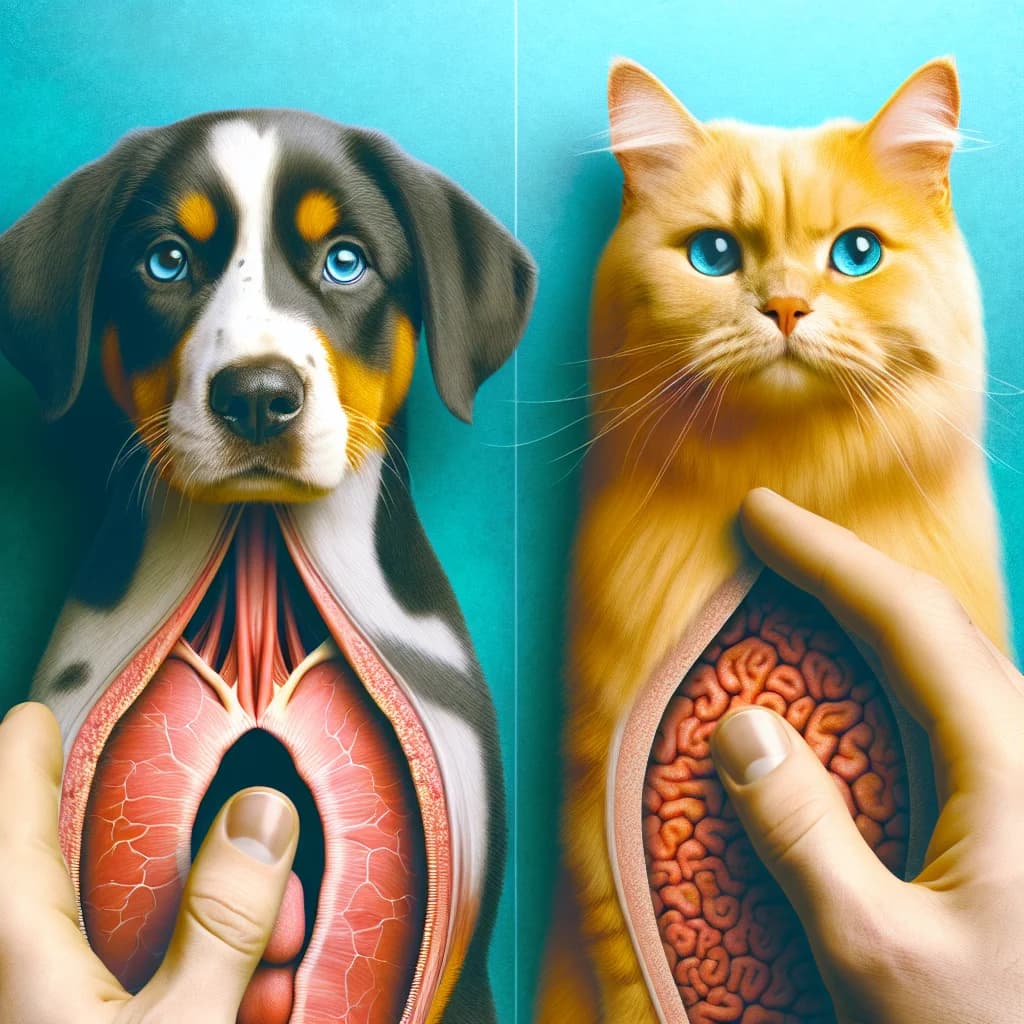
Dogs and cats have belly buttons that look like flat scars because their umbilical cords heal into small, thin lines rather than deep indentations. Unlike humans, their abdominal walls and skin layers close tightly over the site, and the resulting scar is usually flat and obscured by fur.
Hidden Anatomy: Why Do Dogs and Cats Have a Belly Button That Appears as a Flat Scar Instead of a Hole?
Have you ever spent a quiet afternoon rubbing your pet's belly and wondered where their navel is? While humans proudly sport "innies" or "outies" that are easily spotted, our canine and feline companions seem to lack this familiar feature. However, every placental mammal—including your furry friend—possesses one. The mystery lies in why do dogs and cats have a belly button that appears as a flat scar instead of a hole? Understanding this subtle anatomical feature is more than just a matter of curiosity; it is a vital part of recognizing your pet's biological history and monitoring their physical health. This post explores the science behind the umbilical scar and why it differs so significantly from the human version we recognize.
The Biological Purpose of the Umbilicus
To understand why the navel looks different in pets, we must first look at its origin. Like humans, dogs and cats are placental mammals. During gestation, the umbilical cord serves as a vital lifeline, transporting oxygen-rich blood and essential nutrients from the mother’s placenta to the developing fetus while removing waste products.
At birth, the mother typically severs the cord with her teeth. The remaining stump, no longer receiving blood flow, eventually dries up and falls off within the first week of life. In humans, the resulting site often creates a prominent indentation or protrusion. In domestic pets, however, the site undergoes a rapid and efficient healing process that results in a thin, linear, or circular area of fibrous tissue—the umbilicus.
Why Do Pets Have Flat Scars Instead of Holes?
The primary reason why do dogs and cats have a belly button that appears as a flat scar instead of a hole comes down to anatomy and the scale of the original cord. In humans, the umbilical cord is relatively thick in proportion to our bodies, and the way our skin and abdominal muscles knit together during the healing process creates a distinct "pit."
In dogs and cats:
- Proportional Size: The umbilical cord of a puppy or kitten is significantly thinner than a human infant's.
- Healing Mechanics: The abdominal wall in quadrupeds (four-legged animals) closes more tightly. The skin heals over the site smoothly, creating a flat, thin scar rather than a deep cavity.
- Fur Coverage: Because dogs and cats are covered in fur, the tiny scar is often obscured. Even in short-haired breeds, the "belly button" usually manifests only as a small, hairless patch or a "whorl" where the hair grows in a different direction.
Locating and Monitoring the Umbilical Scar
If you want to find your pet’s navel, look at the midline of their abdomen, just below the ribcage and above the pelvis. In most healthy adults, it will feel like a slightly firm, flat area of skin.
It is important for owners to distinguish this normal scar from an umbilical hernia. According to veterinary consensus, an umbilical hernia occurs when the abdominal wall fails to close completely after birth, allowing fat or internal organs to protrude.
- Normal: A flat, barely visible scar.
- Abnormal: A soft, squishy bulge at the navel site.
If you notice a protrusion, it is essential to consult a veterinarian. While some small hernias are "reducible" (they can be pushed back in) and may be corrected during a routine spay or neuter, others can lead to serious complications if the tissue becomes strangulated.
Conclusion
Understanding why do dogs and cats have a belly button that appears as a flat scar instead of a hole helps us appreciate the intricate biology of our pets. This tiny, inconspicuous mark is a permanent reminder of the biological connection between a mother and her young. While it may not look like the navels we see in the mirror, it serves as a testament to the efficient healing and unique anatomy of the animal kingdom. By knowing what is normal for your pet’s "belly button," you are better equipped to monitor their health and ensure that any abnormalities, such as hernias, are addressed promptly by a professional. Always include a quick belly check during your routine grooming or bonding time to ensure your pet remains healthy from the inside out.