Why do dogs have a small slit on the side of each nostril to improve their sniffing
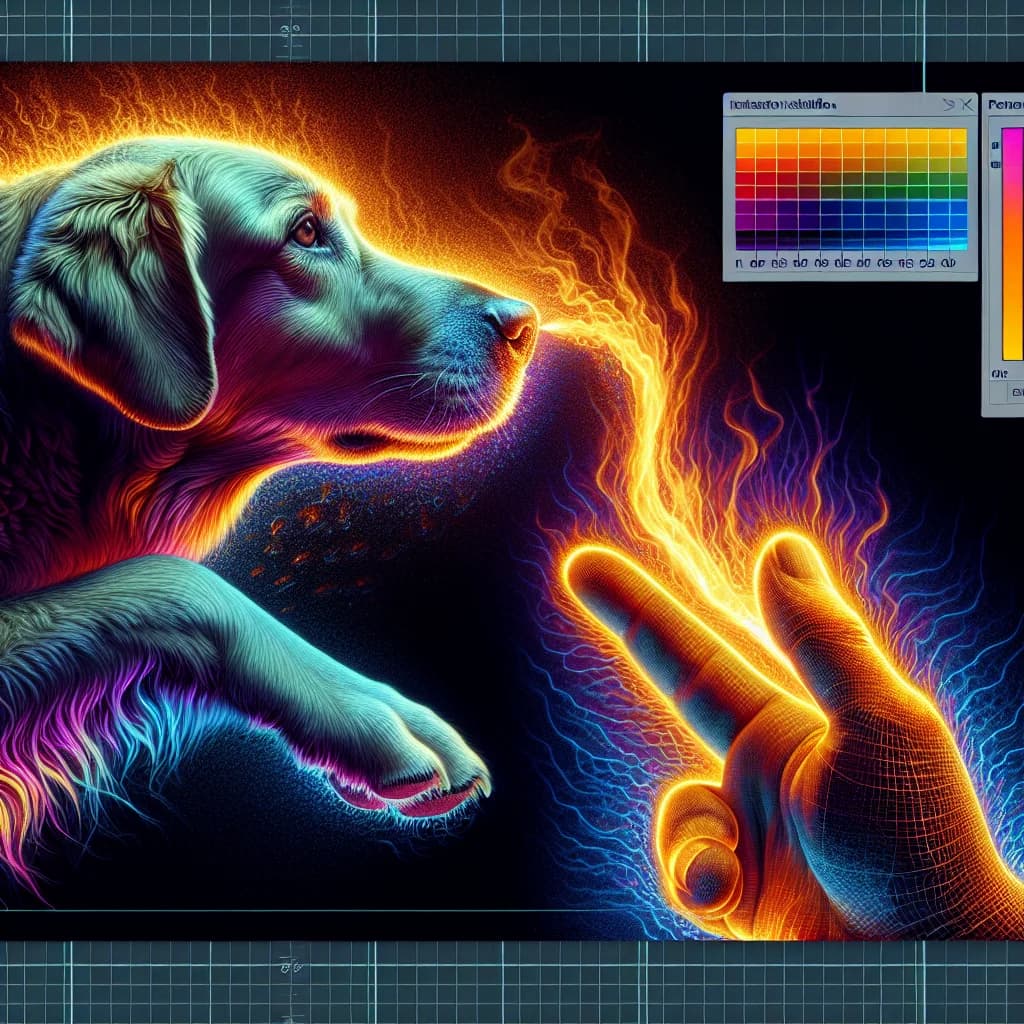
Ever wondered why your dog’s nose has those curious little slits on the sides? Discover the fascinating aerodynamic secret that allows your pup to breathe and sniff simultaneously, turning their snout into a high-tech scent-tracking machine.

Too Long; Didn't Read
Those slits, known as alar folds, allow dogs to exhale air without disturbing the scents they are currently sniffing. By pushing air out through the sides, they create a small aerodynamic swirl that pulls more scent molecules into their nose, enabling a continuous and highly efficient stream of sensory information.
The Secret Science of the Snout: Why Do Dogs Have a Small Slit on the Side of Each Nostril to Improve Their Sniffing?
To a dog, the world is a rich tapestry of scents that we, as humans, can barely imagine. While we rely primarily on our vision to navigate our surroundings, a dog’s primary window into the world is through its nose, which possesses between 10,000 to 100,000 times the olfactory sensitivity of a human. If you look closely at your canine companion’s nose, you will notice a distinct, comma-shaped slit on the side of each nostril. These are not accidental features or "breathing holes" in the traditional sense; they are highly evolved aerodynamic tools. Understanding why do dogs have a small slit on the side of each nostril to improve their sniffing reveals the incredible biological engineering that allows dogs to track scents with pinpoint accuracy and efficiency.
The Anatomy of the Alar Fold
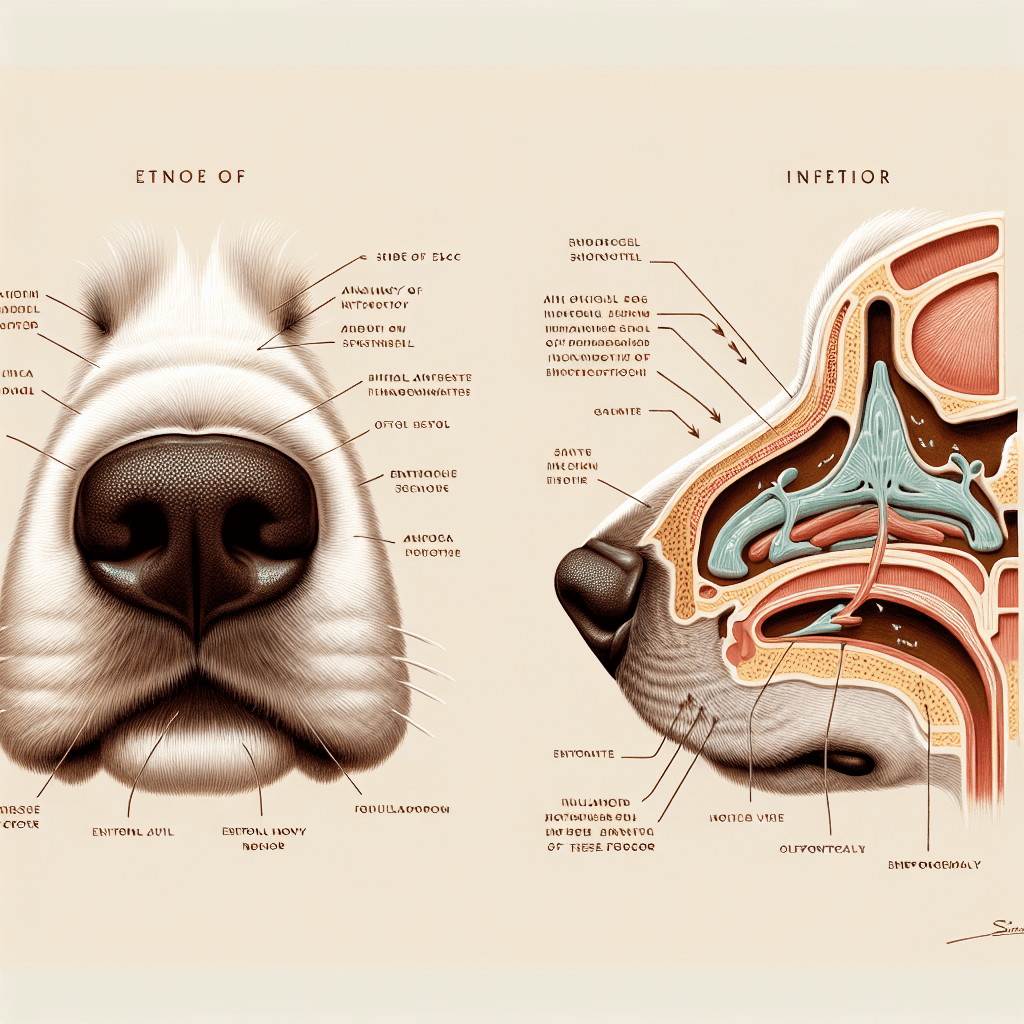
The technical term for the small slit on the side of a dog’s nostril is the alar fold. While the central part of the nostril (the nares) is responsible for drawing air into the respiratory system, the alar fold serves a specific function during the "sniffing" process.
Biologically, the canine nose is divided into two distinct pathways: one for respiration and one for olfaction. When a dog inhales, a fold of tissue known as the ethmoid conchae separates the air. Approximately 12% of the air is directed toward a specialized area at the back of the nasal cavity—the olfactory epithelium—which is packed with millions of scent receptors. The remaining air travels down the trachea into the lungs for breathing. The side slits are the exhaust valves that make this separation possible during the exhalation phase.
The Aerodynamics of the Sniff: Creating a Scent Vortex
The most fascinating reason why do dogs have a small slit on the side of each nostril to improve their sniffing relates to fluid dynamics. In humans, we breathe in and out through the same path. When we exhale, the outgoing air pushes away the very scents we are trying to smell.
Dogs have evolved a more sophisticated mechanism:
- Directional Exhalation: When a dog exhales, the air does not go back out the front of the nose. Instead, it is expelled through the side slits.
- The Vortex Effect: The air exiting through these slits creates a small "vortex" or swirl of air. This movement of air actually helps pull new scent molecules into the central nostrils from the front and sides.
- Continuous Sampling: Because the outgoing air is diverted sideways, the dog can maintain a nearly continuous stream of scent-laden air into the nasal cavity. This allows them to sample smells even while they are breathing out, a feat impossible for humans.
Historical and Evolutionary Context
The development of the alar fold is a product of millions of years of evolution, tracing back to the early ancestors of the Canidae family. For wild canines, the ability to track prey over long distances or detect a predator from a mile away was a matter of survival.
Domesticated breeds have retained this trait regardless of their size, though scent-driven breeds like Bloodhounds or Beagles often have more pronounced nasal structures to facilitate their legendary tracking abilities. This anatomical feature is one of the primary reasons dogs are utilized by law enforcement and search-and-rescue teams; their noses are essentially high-speed, specialized chemical sensors.
Practical Implications for Pet Owners
Understanding the science behind the alar fold can help pet owners appreciate the "scent walk." When a dog stops to sniff a patch of grass for several minutes, they aren't just wasting time; they are using those nasal slits to create a complex "scent map" of the area.
- Enrichment: Allowing a dog to engage their olfactory system is vital for their mental health. It provides a "brain workout" as they process the data pulled in by those side slits.
- Nal Health: Because the slits are crucial for airflow, owners should monitor for any discharge, crusting, or blockage in these areas, as it can significantly impact a dog’s comfort and ability to navigate their world.
Conclusion
The small slit on the side of each nostril is a testament to the biological complexity of the canine species. By allowing for directional exhalation and the creation of scent-pulling vortices, these slits enable dogs to experience a multidimensional world of odors that remains invisible to us. Recognizing why do dogs have a small slit on the side of each nostril to improve their sniffing helps us better appreciate the "superpowers" our pets possess. For responsible owners, this knowledge underscores the importance of allowing dogs the time and freedom to explore their environment through scent. If you ever notice changes in your dog’s nasal anatomy or breathing patterns, always consult a veterinary professional to ensure their most important sense remains sharp.