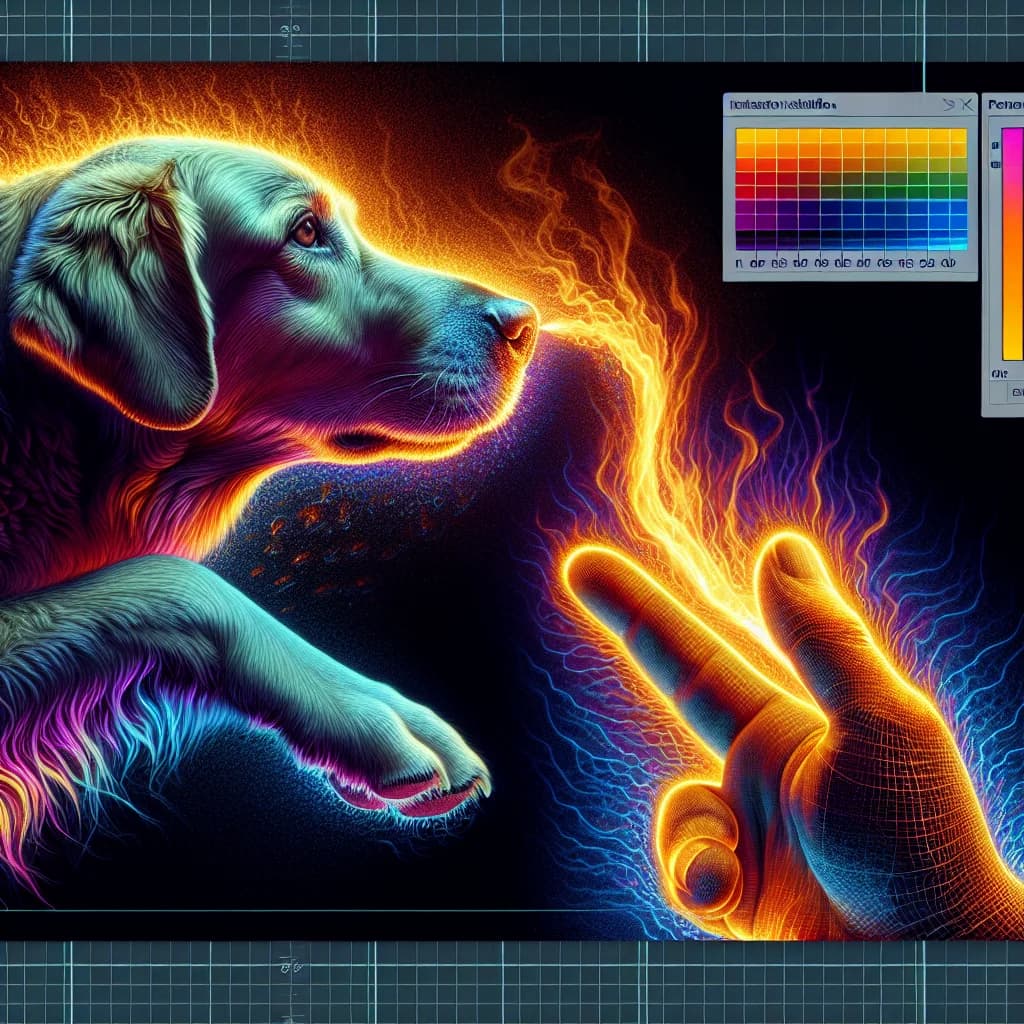
Why do dogs have a specialized eyebrow muscle that evolved specifically to help them communicate with humans
Ever wonder why those "puppy dog eyes" are so impossible to resist? Discover the fascinating evolutionary secret behind the specialized muscle dogs developed for the sole purpose of hijacking your heartstrings.

Too Long; Didn't Read
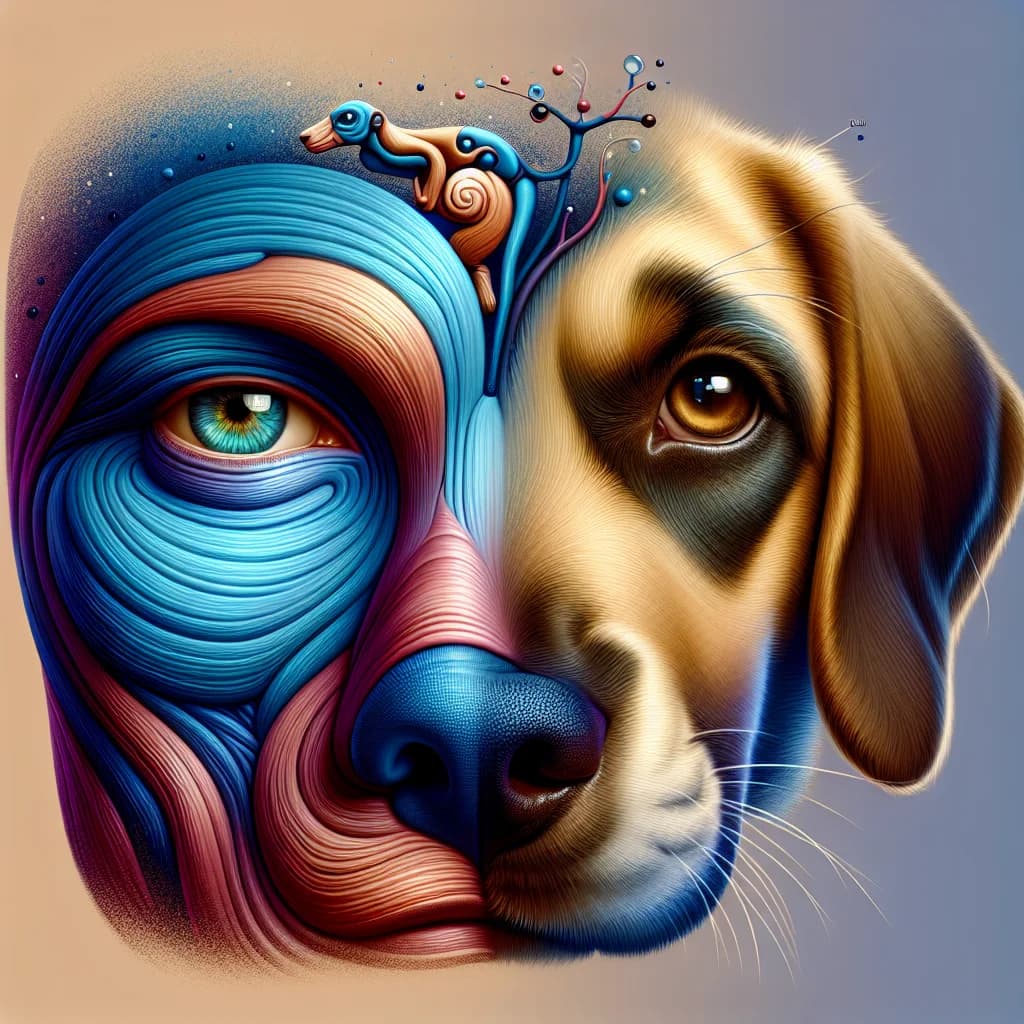
Dogs evolved a specific facial muscle to mimic human-like expressions and trigger a nurturing response. This adaptation, absent in wolves, allows them to make puppy dog eyes, which strengthens their bond with humans by communicating vulnerability and emotion.
Puppy Dog Eyes: Why Do Dogs Have a Specialized Eyebrow Muscle That Evolved Specifically to Help Them Communicate With Humans?
When you look at your dog and they give you those soul-piercing "puppy dog eyes," it is nearly impossible to resist their appeal. While it may seem like a simple cute expression, this look is actually the result of a fascinating biological adaptation. Recent evolutionary biology and comparative anatomy studies have revealed that dogs possess a unique physical trait that their wild ancestors do not. This discovery centers on one specific question: Why do dogs have a specialized eyebrow muscle that evolved specifically to help them communicate with humans? This facial movement is not a random coincidence of nature; rather, it is a sophisticated tool for social interaction. Understanding this evolutionary shift offers profound insight into the domestication process and the deep, communicative bond that has developed between our two species over thousands of years.
The Anatomy of the "Puppy Dog Look"
At the heart of a dog’s expressive face is a small but powerful muscle called the levator anguli oculi medialis (LAOM). This specialized muscle allows dogs to intensely raise their inner eyebrows, creating a "sad" or "infantile" expression. In the world of animal behavior science, this specific movement is categorized as Action Unit (AU) 101.
Biologically, this movement makes the eyes appear larger and more "baby-like," a phenomenon known as neoteny. For humans, this triggers an involuntary nurturing response. Research published in the Proceedings of the National Academy of Sciences (PNAS) indicates that this muscle is almost universally present in domestic dogs but is notably absent in their closest wild relative: the gray wolf. While wolves have a thin web of fibers in that area, they lack the muscular control to manipulate their eyebrows in the way domestic dogs do.
Evolution in the Blink of an Eye: Dogs vs. Wolves
The divergence between dogs and wolves began roughly 33,000 years ago, but the development of the LAOM muscle is a relatively recent evolutionary "fast-track." When comparing the facial structures of various breeds to wild wolves, scientists found that the specialized eyebrow muscle is a consistent feature across almost all domestic dogs.
The only outlier found in major studies was the Siberian Husky, an ancient breed more closely related to wolves than many modern breeds. This suggests that as dogs were bred to live alongside humans, those capable of making expressive facial movements were inadvertently selected for. Humans likely provided more food, protection, and care to dogs that could "talk" to them with their eyes, leading to a selective pressure that favored the development of this specific facial anatomy.
Why This Muscle Matters: The Human-Dog Connection
The evolution of the LAOM muscle is not just about aesthetics; it is about functional communication. Dogs use this muscle specifically when they are interacting with humans, rather than when they are interacting with other dogs.
- The Oxytocin Loop: When a dog uses its eyebrow muscle to initiate eye contact, it triggers the release of oxytocin (often called the "love hormone") in both the dog and the human. This creates a feedback loop that strengthens the social bond.
- Mimicking Human Expressions: Humans rely heavily on eyebrow movement to convey emotion. By evolving a similar capability, dogs have effectively "hacked" the human communication system, allowing them to bridge the species gap.
- Triggering Nurturing Instincts: The high-inner brow raise mimics the facial expressions of a sad or vulnerable human infant. This elicits a protective response from humans, ensuring the dog’s needs for food and affection are met.
Conclusion
The discovery of the levator anguli oculi medialis provides a scientific explanation for why we feel such an intense emotional connection to our canine companions. To answer why do dogs have a specialized eyebrow muscle that evolved specifically to help them communicate with humans, we must look at our shared history. This muscle is a biological bridge, a product of thousands of years of mutualism and domestic selection. By understanding the science behind the "puppy dog look," we can better appreciate the complex ways dogs have adapted to become our ultimate companions. The next time your dog looks up at you with those expressive brows, remember that you are witnessing a marvel of evolution designed specifically to strengthen the bond between you. Proper care and mutual respect are the best ways to honor this unique evolutionary gift.