Why do dogs have a specialized vascular heat exchange system that prevents their paw pads from freezing on ice
Ever wonder why dogs can sprint across frozen terrain without a single shiver? Discover the fascinating biological "radiator" hidden in their paws that acts as a natural antifreeze against the coldest ice.

Too Long; Didn't Read
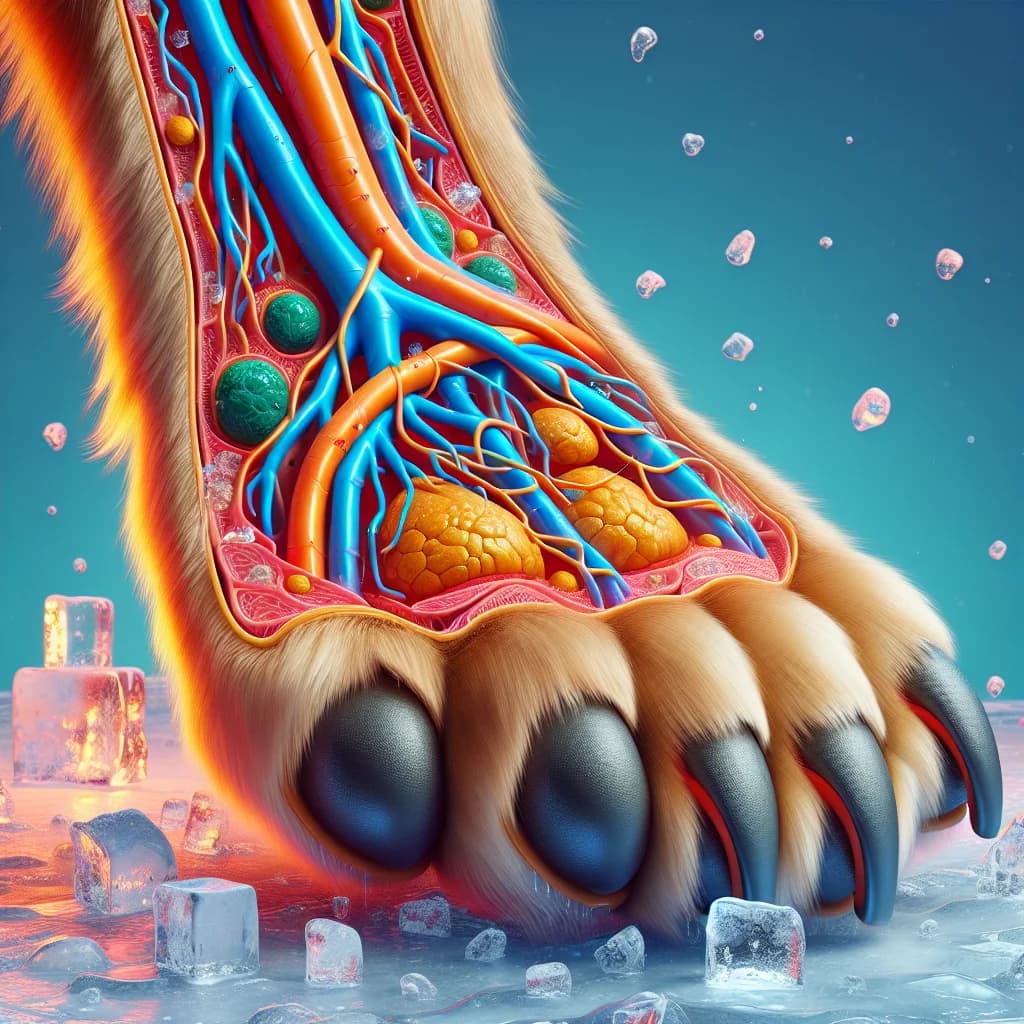
Dogs use a countercurrent heat exchange system in their paws, where warm arterial blood transfers heat to cold venous blood returning from the pads. This mechanism keeps the paws just above freezing while maintaining a stable core body temperature, allowing dogs to walk on ice without frostbite or heat loss.
Cold Paws, Warm Heart: Why Do Dogs Have a Specialized Vascular Heat Exchange System That Prevents Their Paw Pads From Freezing on Ice?
Imagine watching a sled dog sprint across a frozen tundra or your own golden retriever bounding through a snow-covered park. While humans require insulated, waterproof boots to prevent frostbite within minutes, dogs seem remarkably unfazed by the sub-zero temperatures beneath their feet. This isn't just a matter of "toughness"; it is a result of a sophisticated biological adaptation. Dogs possess a specialized vascular heat exchange system in their paws that acts as a natural antifreeze mechanism. Understanding this physiological marvel is essential for appreciating the evolutionary history of canines and ensuring we provide the best care for our companions during the winter months. This post explores the science behind why dogs have a specialized vascular heat exchange system that prevents their paw pads from freezing on ice.
The Microscopic Engine: How the Heat Exchange Works
For decades, scientists wondered how dogs could maintain a constant body temperature while standing on frozen surfaces. The breakthrough came from research led by Dr. Hiroyoshi Ninomiya at Yamazaki Gakuen University, which utilized electron microscopy to map the blood vessels in canine paws. The study revealed that dogs utilize a "counter-current heat exchange system."
In this system, the arteries that carry warm, oxygenated blood from the heart to the paw pads are positioned in extremely close proximity to the veins that carry cold blood back to the body. As the warm arterial blood moves toward the cold surface of the paw, it transfers its heat to the cold venous blood heading back toward the core.
This serves two vital purposes:
- Core Temperature Preservation: It pre-warms the blood returning to the heart, preventing the dog’s internal body temperature from dropping.
- Tissue Protection: It ensures that the paw pads remain at a temperature just high enough to prevent the tissue from freezing, even when the ground is significantly below zero.
Evolutionary Origins: From Wolves to the Modern Pet
This specialized vascular heat exchange system is an evolutionary inheritance from the ancestors of modern dogs—wolves. Wolves often travel long distances over ice and snow to hunt, and those without this adaptation would have succumbed to frostbite or hypothermia.
Comparisons with Other Species
While this trait is highly developed in canines, they are not the only animals to utilize it. Similar counter-current systems are found in:
- Penguins: In their wings and feet to prevent heat loss in the Antarctic.
- Dolphins: In their flippers to manage temperature in cold water.
- Arctic Foxes: Who possess an even more robust version of this system to survive extreme polar conditions.
In dogs, this system is uniquely integrated with a high concentration of fatty tissue within the paw pads. This fat has a low freezing point, providing both physical cushioning and a layer of insulation that works in tandem with the blood vessels.
The Limits of Biological Protection
While the vascular heat exchange system is powerful, it is not infallible. Understanding its limitations is a key component of responsible pet ownership. Domestic dogs vary significantly in their cold tolerance based on breed, coat type, and acclimation.
To ensure your dog’s paws remain healthy in icy conditions, consider the following evidence-based care guidelines:
- Monitor for Vasoconstriction: In extreme cold, the body may eventually restrict blood flow to the extremities to save the core organs, increasing the risk of frostbite despite the heat exchange system.
- Watch for Chemical Irritants: The heat exchange system does nothing to protect against road salt or chemical de-icers, which can cause chemical burns or be ingested if the dog licks its paws.
- Ice Accumulation: Long-haired breeds often get "ice balls" between their toes. This can stretch the skin and cause micro-tears, bypassing the natural protection of the pads.
Conclusion
The specialized vascular heat exchange system in a dog’s paw is a testament to the incredible efficiency of canine evolution. By utilizing a counter-current mechanism to swap heat between arteries and veins, dogs are able to navigate frozen landscapes that would be inhospitable to most other mammals. Recognizing this biological feat helps us better understand our pets' needs and the limits of their natural defenses. While their paws are marvels of engineering, they still require our protection from the modern hazards of winter, such as salt and prolonged exposure. By respecting the science behind their "warm feet," we can ensure our dogs stay safe, healthy, and comfortable in every season. For specific concerns regarding your dog’s winter health, always consult with a veterinary professional.