Why do dogs kick the ground after pooping to mark territory with pheromones from glands in their feet
Your dog isn't just trying to be tidy when they kick up dirt; they’re actually leaving behind a "chemical business card" from hidden glands in their paws. Discover the fascinating science behind this dramatic post-potty ritual and what your pup is really trying to tell the neighborhood.

Too Long; Didn't Read
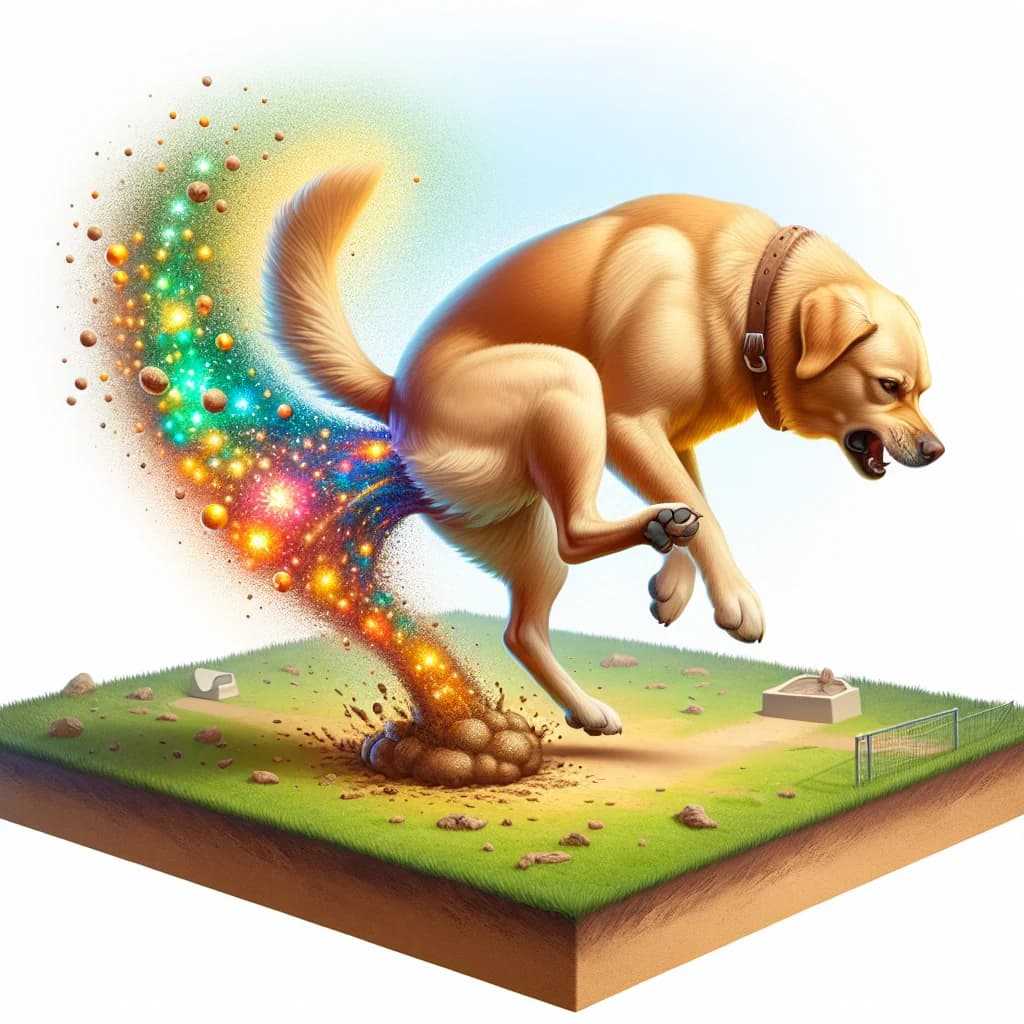
Dogs kick the ground after pooping to release pheromones from scent glands in their paws. This behavior, known as ground scratching, serves as a visual and olfactory signal to mark territory and communicate with other dogs.
Paws and Pheromones: Why Do Dogs Kick the Ground After Pooping to Mark Territory?
If you have ever taken your dog for a walk, you have likely witnessed the "post-potty" ritual: after finishing their business, your dog vigorously kicks up grass and dirt behind them. While it might look like a frantic attempt to cover their waste—much like a cat—the reality is far more complex and rooted in ancient canine biology. This behavior, known to animal behaviorists as "ground scratching," is a sophisticated method of communication. By understanding why do dogs kick the ground after pooping to mark territory with pheromones from glands in their feet, owners can gain a deeper appreciation for their pet's natural instincts. This post explores the science behind this ritual and its role in the domestic dog’s social landscape.
The Biology of the Paw: Interdigital Glands and Pheromones
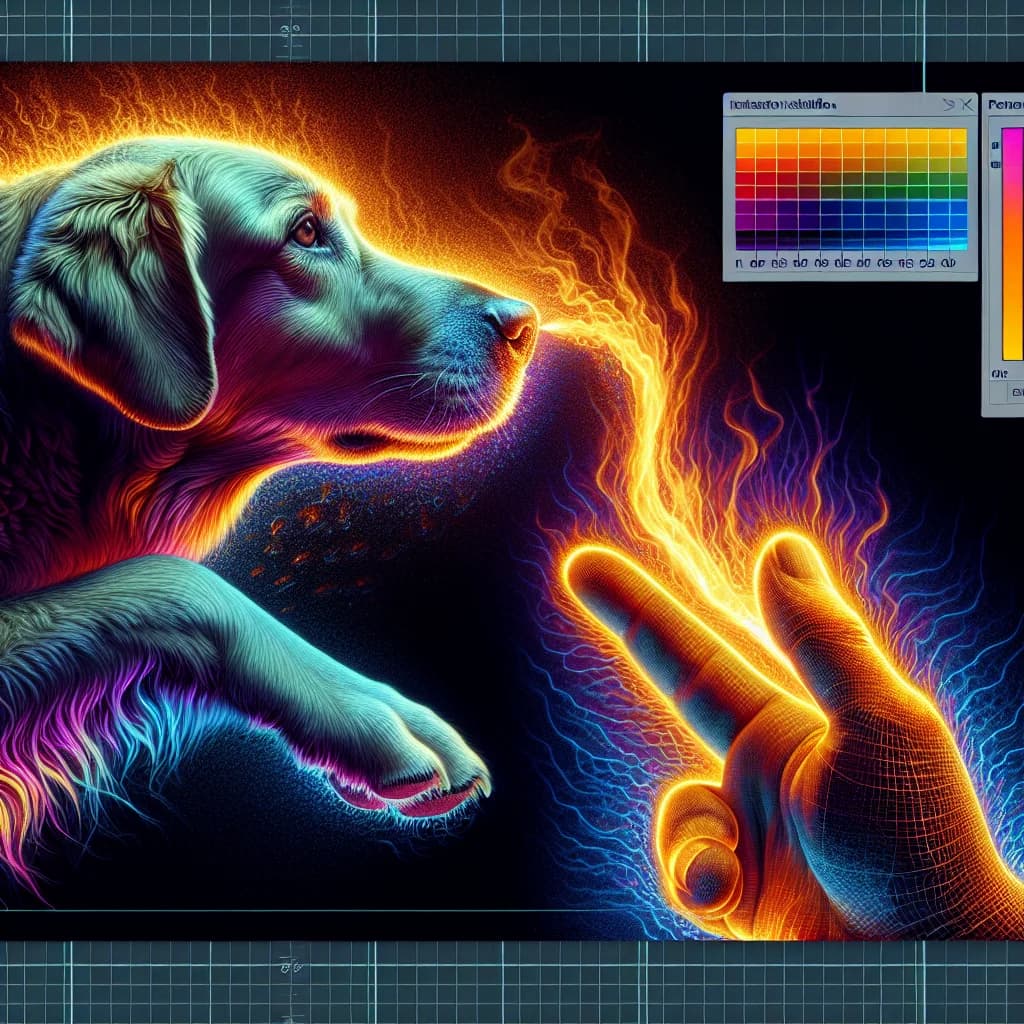
To understand why dogs kick the ground, one must first look at the anatomy of the canine paw. Unlike humans, who rely primarily on sweat glands for thermoregulation, dogs possess specialized interdigital glands located between their toes. These glands produce pheromones—chemical signaling molecules that transmit specific information to other members of the same species.
When a dog kicks the ground after eliminating, the friction and pressure against the soil trigger the release of these pheromones. These chemical markers provide a wealth of data to any dog that passes by later, including:
- The dog’s sex and reproductive status.
- Their general health and age.
- The timing of when the mark was left.
By scuffing the earth, dogs are essentially "depositing" a chemical business card that lasts much longer than the scent of urine or feces alone.
A Multi-Sensory Communication Strategy
The act of ground scratching serves a dual purpose: it is both an olfactory (scent-based) and a visual signal. While the pheromones from the feet glands provide the "data," the physical disturbance of the environment provides the "signpost."
The Visual Component
The physical "scars" left in the grass or dirt serve as a visual cue for other canines. In the wild, a visual marker draws attention to the area, ensuring that other dogs will approach and subsequently sniff the ground to receive the chemical message. This combination of sight and scent ensures the message is clear even from a distance.
The Olfactory Component
While the waste itself contains scent, the pheromones from the paws are distinct. Veterinary behaviorists suggest that these foot-gland secretions may be more persistent than other scents. By kicking, the dog also spreads the scent of their urine or feces over a wider area, maximizing the reach of their territorial claim.
Ancestral Roots and Evolutionary Context
This behavior is not unique to domestic dogs (Canis lupus familiaris); it is a trait inherited from their wild ancestors, such as wolves and coyotes. In the wild, marking territory is a vital survival strategy. It helps reduce direct physical conflict by establishing boundaries and hierarchy through scent rather than fighting.
Research in animal science indicates that ground scratching is often more prevalent in confident or "alpha" individuals within a group, though it is observed across all breeds and temperaments. It is a way for a dog to say, "I am here, and this is my space," which provides a sense of security and structure within their environment.
Ground Scratching in the Modern Home
For the average pet owner, ground scratching is a perfectly normal and healthy behavior. It is not an act of defiance or a sign that a dog is "angry." Instead, it is a sign that your dog is engaging with their environment in a biologically appropriate way.
Key considerations for owners include:
- Property Care: If your dog’s kicking is damaging your lawn, consider designated "potty zones" with tougher surfaces like pea gravel or mulch.
- Nail Health: Vigorous kicking can naturally wear down nails, but owners should regularly check for paw pad abrasions or split nails if the dog kicks on abrasive surfaces like asphalt.
- Behavioral Monitoring: While ground scratching is normal, if it becomes obsessive or is accompanied by signs of extreme anxiety, consulting a certified animal behaviorist may be beneficial.
Conclusion
Understanding why do dogs kick the ground after pooping to mark territory with pheromones from glands in their feet allows us to see our pets as the complex, communicative creatures they truly are. This behavior is a fascinating bridge between the modern domestic dog and its wild ancestors, utilizing a sophisticated blend of visual cues and chemical signaling. By recognizing ground scratching as a natural form of "canine social media," owners can better respect their dog's instinctual needs. As long as the behavior is not causing self-injury, it should be viewed as a sign of a dog that is confident and actively communicating with the world around them. Always consult with a veterinarian if you notice sudden changes in your dog's elimination habits or physical discomfort during their outdoor rituals.