Why do dogs kick their back legs rhythmically when you scratch a specific sweet spot on their belly
That adorable rhythmic "thump" isn't just a sign of a good scratch; it’s actually a sophisticated biological reflex wired deep into your dog’s survival instincts. Discover the surprising science behind the "sweet spot" and find out what those involuntary kicks really mean for your pup.


Too Long; Didn't Read
Dogs kick their back legs due to an involuntary scratch reflex. When you hit a sweet spot, nerves under the skin send signals to the spinal cord that mimic the sensation of an irritant like a flea. This triggers an automatic kicking motion intended to brush away the perceived pest.
The Science of the Scratch: Why Do Dogs Kick Their Back Legs Rhythmically When You Scratch a Specific Sweet Spot on Their Belly?
It is one of the most endearing sights for a dog owner: you find that perfect "sweet spot" on your dog’s belly, and suddenly, their hind leg begins to thud rhythmically against the floor like a revving motor. While often interpreted as a sign of pure bliss or a "tickle," this behavior is actually a fascinating biological phenomenon rooted in canine anatomy and evolution. Understanding why dogs kick their back legs rhythmically when you scratch a specific sweet spot on their belly is more than just a trivia point for pet lovers; it offers a glimpse into the sophisticated neurological wiring that protects our canine companions. By exploring the involuntary nature of the scratch reflex, we can better appreciate the complex bond between a dog’s nervous system and its physical well-being. This post explores the science behind this reflex, its evolutionary purpose, and what it tells us about canine health.
The Anatomy of the Scratch Reflex
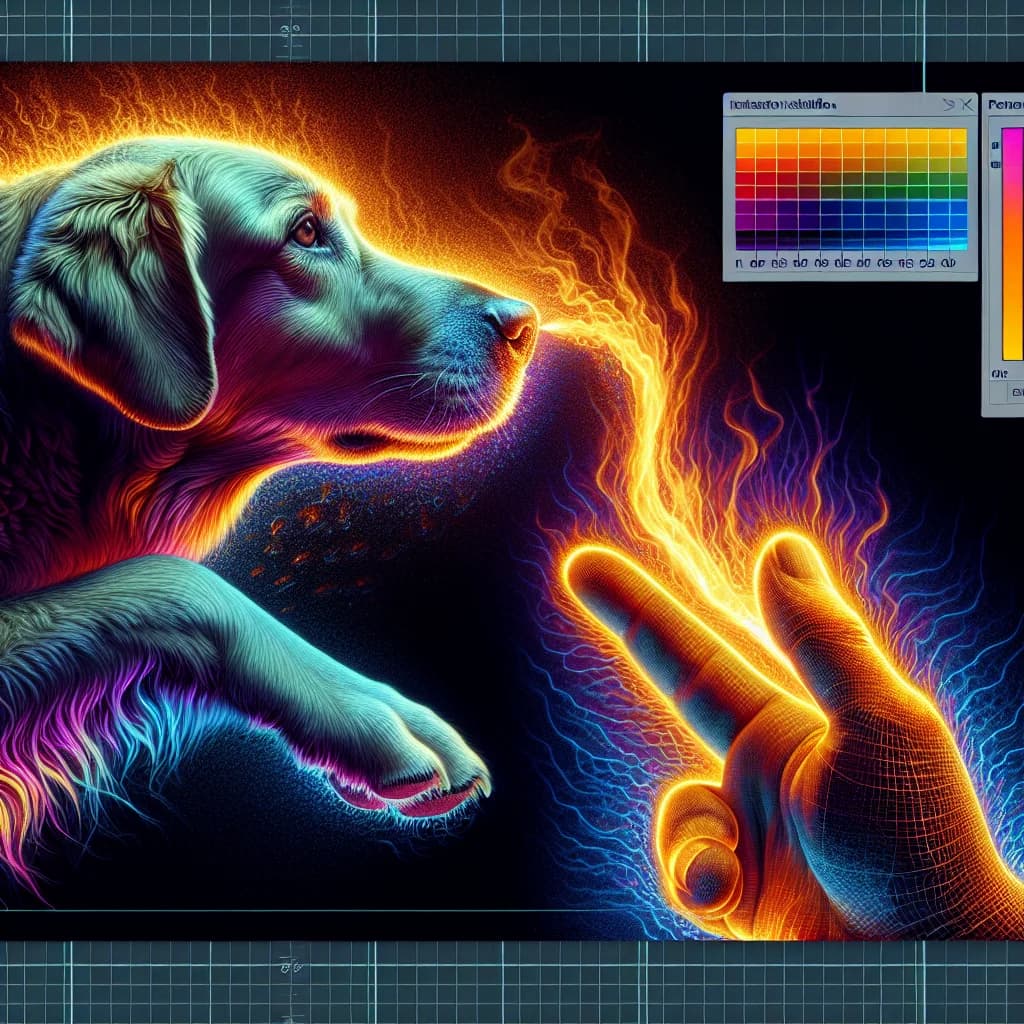
The rhythmic kicking motion is scientifically known as the scratch reflex. This is an involuntary, spinal-cord-mediated response rather than a conscious choice made by the dog. When you scratch or rub a specific area—typically on the belly, chest, or behind the ears—you are activating a cluster of sensory neurons located just beneath the skin’s surface.
These nerves are connected to the spinal cord. When stimulated, they send electrical impulses to the spinal cord, which then sends a message back to the muscles in the hind leg to kick in a rhythmic fashion. This loop is designed to bypass the brain for the sake of speed, ensuring an immediate physical response to an external stimulus.
The Role of the Spinal Circuit
Unlike many behaviors that require the brain to process information and "decide" on an action, the scratch reflex is handled by a neural circuit in the spinal cord. Veterinary neurologists often use this reflex as a diagnostic tool. If a dog does not exhibit the scratch reflex or if the reflex is hyperactive, it can indicate potential nerve damage or spinal cord issues.
The Evolutionary Advantage: Survival and Protection
While the kick may look humorous to humans, its origins are strictly functional. From an evolutionary perspective, the scratch reflex developed as a self-protection mechanism. In the wild, dogs and their ancestors (such as wolves) were frequently exposed to parasites, biting insects, and irritating debris.
The rhythmic kicking serves several purposes:
- Irritant Removal: The primary goal of the reflex is to flick away fleas, ticks, or stinging insects that could carry disease or cause skin infections.
- Speed and Efficiency: Because the reflex is involuntary and bypasses the brain, the leg begins moving before the dog is even consciously aware of the itch. This split-second response time is crucial for preventing a parasite from attaching to the skin.
- Broad Coverage: The rhythmic nature of the kick ensures that a wide area of the skin is cleared, increasing the likelihood of removing the irritant.
The "Sweet Spot" and Sensory Overload
The "sweet spot" is essentially a high-density area of these specialized nerve endings. While every dog has a different sensitivity level, the belly is a common location for this reflex because the skin is thinner and more sensitive than the fur-heavy areas of the back.
It is important to distinguish this reflex from general enjoyment. While many dogs do enjoy belly rubs, the rhythmic kicking itself is a mechanical response. If a dog moves away or shows signs of tension, the scratching may actually be overstimulating or mimicking the sensation of a crawling insect too closely, causing discomfort rather than pleasure.
When to Consult a Professional
While the scratch reflex is a normal part of canine biology, changes in how your dog reacts to being scratched can be a health indicator. Pet owners should monitor for the following:
- Obsessive Scratching: If your dog is constantly "triggering" their own reflex or scratching one spot until the skin is red, it may indicate underlying allergies, dermatitis, or a parasitic infestation.
- Lack of Reflex: If a dog who previously had a strong scratch reflex suddenly stops responding to stimulation, it may warrant a neurological exam by a veterinarian.
- Skin Sensitivity: If your dog snaps or shows signs of pain when the sweet spot is touched, they may be experiencing localized inflammation or "allodynia," where a normal touch is perceived as painful.
Conclusion
Understanding why dogs kick their back legs rhythmically when you scratch a specific sweet spot on their belly provides valuable insight into the involuntary mechanisms that keep pets safe. This "thumping" leg is a testament to an ancient evolutionary trait designed to ward off pests and protect the dog’s skin. While it serves as a charming highlight of our interactions with our pets, it is fundamentally a complex neurological circuit in action. By recognizing the science behind the scratch reflex, owners can better monitor their dog’s neurological health and ensure that "belly time" remains a positive, comfortable experience. Always observe your dog’s body language and consult with a veterinary professional if you notice sudden changes in their skin sensitivity or reflexive responses.