Why do dogs often sneeze during play to signal that their wrestling is not an actual fight
Ever wondered why your dog suddenly sneezes in the heat of a play session? It’s not allergies—it’s a genius "peace-keeping" signal that ensures their wrestling match stays friendly and never turns into a real fight.

Too Long; Didn't Read
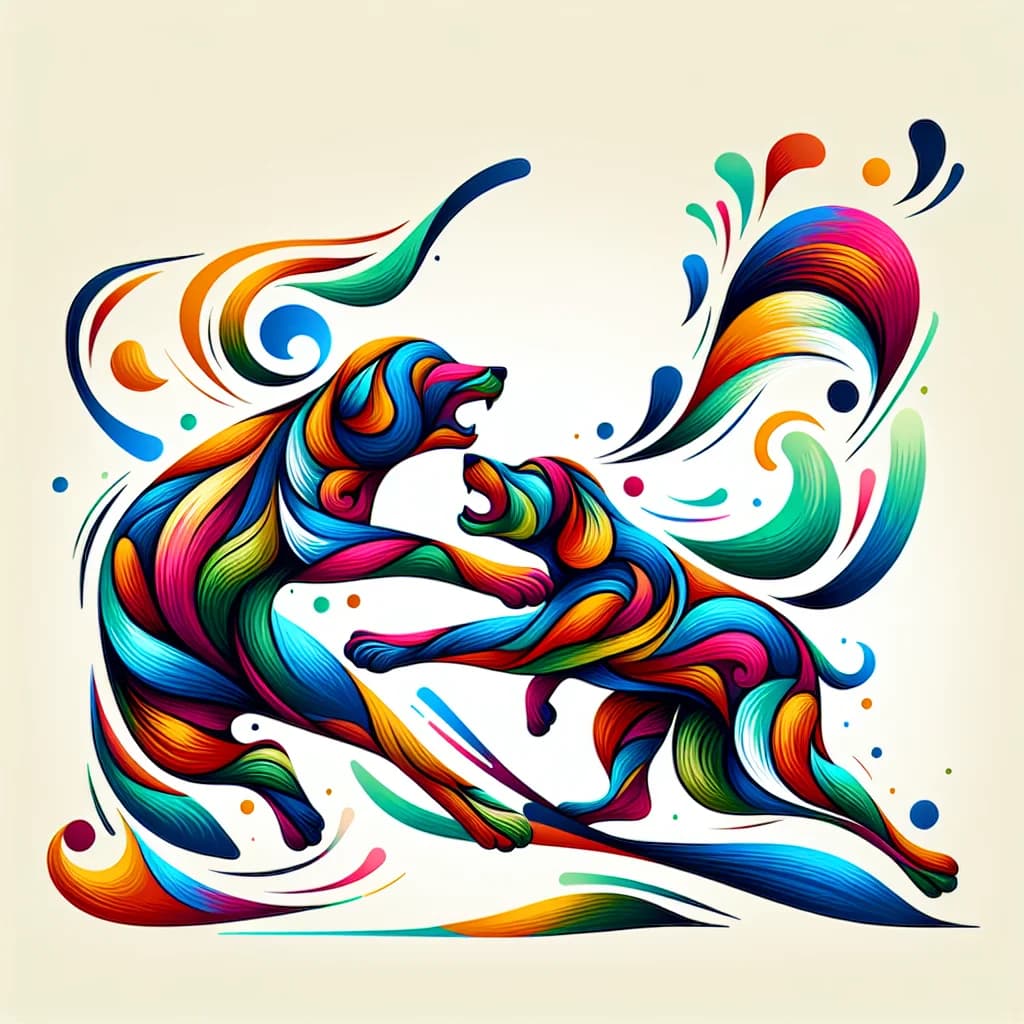
Dogs use play sneezing as a communication tool to signal that their wrestling is just for fun and not actual aggression. It acts as a non-threatening social cue to reassure their playmate that the roughhousing is friendly and intended as a game.
The Science of Social Play: Why Do Dogs Often Sneeze During Play to Signal That Their Wrestling Is Not an Actual Fight?
If you have ever watched two dogs engage in a vigorous round of "bitey-face" or wrestling, you may have noticed a peculiar behavior: a sudden, sharp sneeze. To a human observer, it might look like a reaction to dust or a sudden tickle in the nose. However, in the world of canine ethology, this "play sneeze" serves a much more profound purpose. Understanding the nuances of dog communication is vital for any pet owner, as it allows us to distinguish between healthy social interaction and potential aggression. This behavior is a key component of canine meta-communication, a sophisticated way for dogs to clarify their intentions. This blog post explores the biological and behavioral reasons why do dogs often sneeze during play to signal that their wrestling is not an actual fight.
Understanding Canine Meta-communication
In animal behavior science, "meta-communication" refers to signals that qualify the meaning of subsequent behaviors. For dogs, wrestling involves many actions that—in a different context—could be interpreted as predatory or aggressive, such as growling, lunging, and inhibited biting. To prevent these actions from being misunderstood by their play partner, dogs use specific "play markers."
The play sneeze is one of the most common markers. It acts as a biological "disclaimer," essentially telling the other dog, "Everything I am doing right now is just for fun." By punctuating a high-energy wrestling match with a sneeze, a dog provides immediate reassurance that they are not a threat. This helps maintain the "play mood" and prevents the situation from escalating into a genuine conflict.
The Mechanics of the Play Sneeze
Unlike a medical sneeze, which is a reflexive clearing of the upper nasal passages due to irritants like pollen or dust, the play sneeze is often more of a rhythmic snort.
The "Play Face" Trigger
When dogs play, they often exhibit what ethologists call a "play face"—an open mouth with the lips pulled back slightly, but without the tension seen in an aggressive snarl. This expression often causes the skin on the bridge of the nose to wrinkle. Veterinary behaviorists suggest that this physical wrinkling of the muzzle can naturally tickle the nasal passages, triggering a sneeze.
Controlled Respiration
During intense physical activity, dogs breathe more rapidly. The play sneeze is a controlled, forced exhalation. By forcefully expelling air through the nose, dogs create a distinct sound that is easily recognizable to other canines, even in the middle of a noisy romp.
Evolution and Social Harmony
The development of these signals is deeply rooted in the evolution of the domestic dog. As social pack animals, dogs evolved to live in groups where cooperation was essential for survival. Constant physical fighting within a pack would lead to injuries and weakened social structures.
Evolutionary biology suggests that play serves as a safe way for young animals to practice motor skills, social bonding, and conflict resolution. Signals like the sneeze allow for "safe" practice of hunting and fighting behaviors. Canine behavior studies have shown that dogs who utilize clear meta-communication are more successful in social groups and less likely to engage in injurious fights.
Distinguishing Play from Aggression
For dog owners, recognizing the play sneeze is a valuable tool for monitoring safety at the dog park. However, the sneeze should be viewed as part of a larger cluster of behaviors.
- Signs of Healthy Play:
- The Play Bow: Lowering the front half of the body while keeping the rear up.
- Role Reversal: Dogs taking turns being the "aggressor" or the one on the bottom.
- Self-Handicapping: A larger dog playing more gently to accommodate a smaller or weaker partner.
- Loose Body Language: Curvy, "floppy" movements rather than stiff, frozen postures.
- Frequent Sneezing: Used as a pause or a "reset" button during the game.
Conversely, if the sneezing stops and is replaced by stiffening of the limbs, a closed mouth, or a low-pitched, sustained growl without role reversal, it may be time to intervene and give the dogs a break.
Conclusion
Understanding why do dogs often sneeze during play to signal that their wrestling is not an actual fight provides a fascinating window into the complex social minds of our canine companions. This behavior is not just a quirk; it is a sophisticated biological tool designed to foster social bonding and ensure that "roughhousing" remains a positive experience. By learning to identify these subtle cues, owners can better support their dogs' social development and ensure their interactions remain safe and enjoyable. Always observe your dog’s overall body language and, if you are ever unsure about the nature of a social interaction, consult with a certified animal behaviorist or a veterinary professional to ensure the well-being of your pet.