Why do dogs sneeze during play to signal that they are only pretending to be aggressive
Ever wondered why your dog suddenly sneezes in the middle of a wrestling match? It’s not an allergy—it’s actually a brilliant piece of canine communication used to signal that their "vicious" behavior is all in good fun.

Too Long; Didn't Read
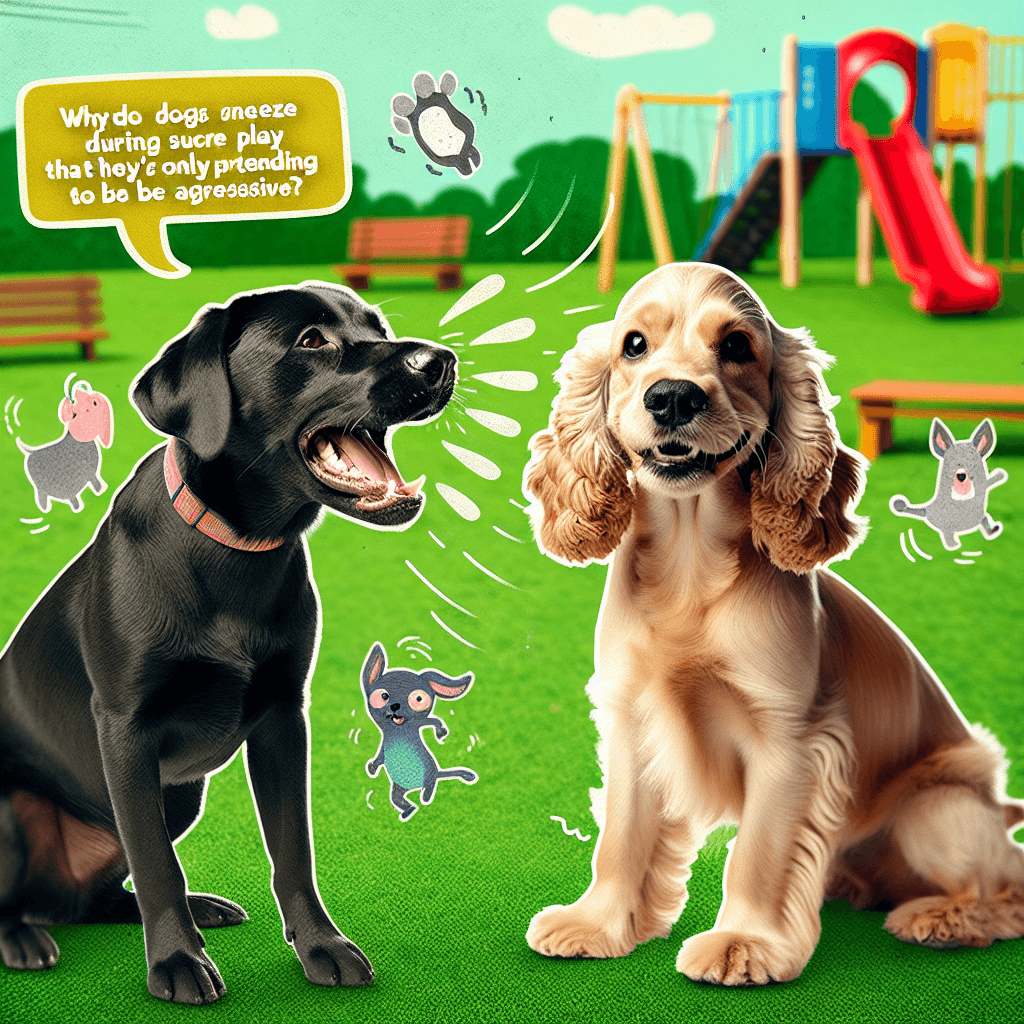
Dogs use play sneezing as a vital communication tool to signal that their rough behavior, like growling or lunging, is just a game. This involuntary action reassures playmates that the aggression is pretend, helping to de-escalate tension and ensure the interaction remains safe and fun.
Why Do Dogs Sneeze During Play? Understanding How They Signal They Are Only Pretending to Be Aggressive
If you have ever watched two dogs engage in a high-energy wrestling match, you may have witnessed a scene that looks surprisingly intense. They snarl, bare their teeth, and lunge at one another with seemingly reckless abandon. However, in the midst of this mock combat, one dog will often emit a sharp, sudden sneeze. Far from being a sign of a cold or an allergy, this "play sneeze" is a sophisticated form of canine communication. Understanding why do dogs sneeze during play to signal that they are only pretending to be aggressive is essential for any pet owner. This subtle behavioral cue is a cornerstone of canine social etiquette, ensuring that play remains safe and enjoyable. This post explores the biological and behavioral science behind the play sneeze and its vital role in the human-animal bond.
The Science of Meta-Communication: What is a "Play Sneeze"?
In the field of animal behavior, the play sneeze is categorized as a "meta-communication" signal. Meta-communication is essentially communication about communication; it provides context for the actions that follow. When a dog sneezes during a romp, they are sending a clear message to their partner: "Everything I am doing right now—the growling, the nipping, and the pinning—is just a game."
Veterinary behaviorists note that these sneezes differ from those caused by irritants. A play sneeze is usually short, huffy, and originates from the nose rather than deep in the chest. By utilizing this signal, dogs can engage in "ritualized aggression," which allows them to practice hunting and self-defense skills without the risk of actual injury or social fallout.
Why Dogs Sneeze During Play: Biological and Behavioral Triggers
While the sneeze serves a social purpose, it often has a physical starting point. When dogs play, they often wrinkle their muzzles and pull back their lips in what is known as a "play face." This facial movement can naturally tickle the nose or restrict airflow, triggering a physical sneeze reflex. Over time, through the process of domestication and social evolution, dogs have harnessed this reflex as a voluntary signal.
Key reasons for the play sneeze include:
- De-escalation: If a game becomes too intense or a nip is slightly too hard, a sneeze acts as a "reset button" to lower the arousal levels of both dogs.
- Reassurance: It serves as constant feedback. During a long wrestling session, frequent sneezes reassure the other dog that the interaction remains friendly.
- Exitement Regulation: High levels of excitement can cause a dog to hold their breath or breathe rapidly; the sneeze helps expel built-up tension.
Distinguishing Play Sneezing from True Aggression
For pet owners, being able to identify a play sneeze is a vital skill for monitoring dog park interactions. However, the sneeze should never be looked at in isolation. Science-based training emphasizes looking at the "whole dog."
- Loose Body Language: During play sneezing, the dog’s body should remain "curvy" and loose. You will often see the "play bow"—front legs down, rear end up.
- The "Play Face": An open mouth with a relaxed tongue is a hallmark of play. This contrasts with the tight, retracted lips of a truly aggressive dog.
- Self-Handicapping: In healthy play, a larger or stronger dog will often "self-handicap," intentionally putting themselves in a vulnerable position or letting the smaller dog "win" the wrestle.
If these signs are present alongside sneezing, the "aggression" is purely theatrical. Conversely, if a dog is sneezing but displays a stiff tail, pinned-back ears, or a hard stare, it may be a sign of stress or respiratory irritation rather than a social signal.
Conclusion
Understanding why do dogs sneeze during play to signal that they are only pretending to be aggressive provides a fascinating window into the emotional intelligence of our canine companions. These "play sneezes" are not mere accidents of biology; they are vital social tools that allow dogs to navigate complex interactions with peace and clarity. By recognizing this meta-communication, owners can feel more confident in allowing their pets to engage in vigorous play, knowing that the dogs are actively working to keep the peace. Observing these subtle cues deepens our appreciation for the sophisticated ways dogs communicate. Always remember that while play sneezing is a healthy sign of socialized behavior, any persistent sneezing outside of play should be evaluated by a veterinary professional to rule out underlying health issues.