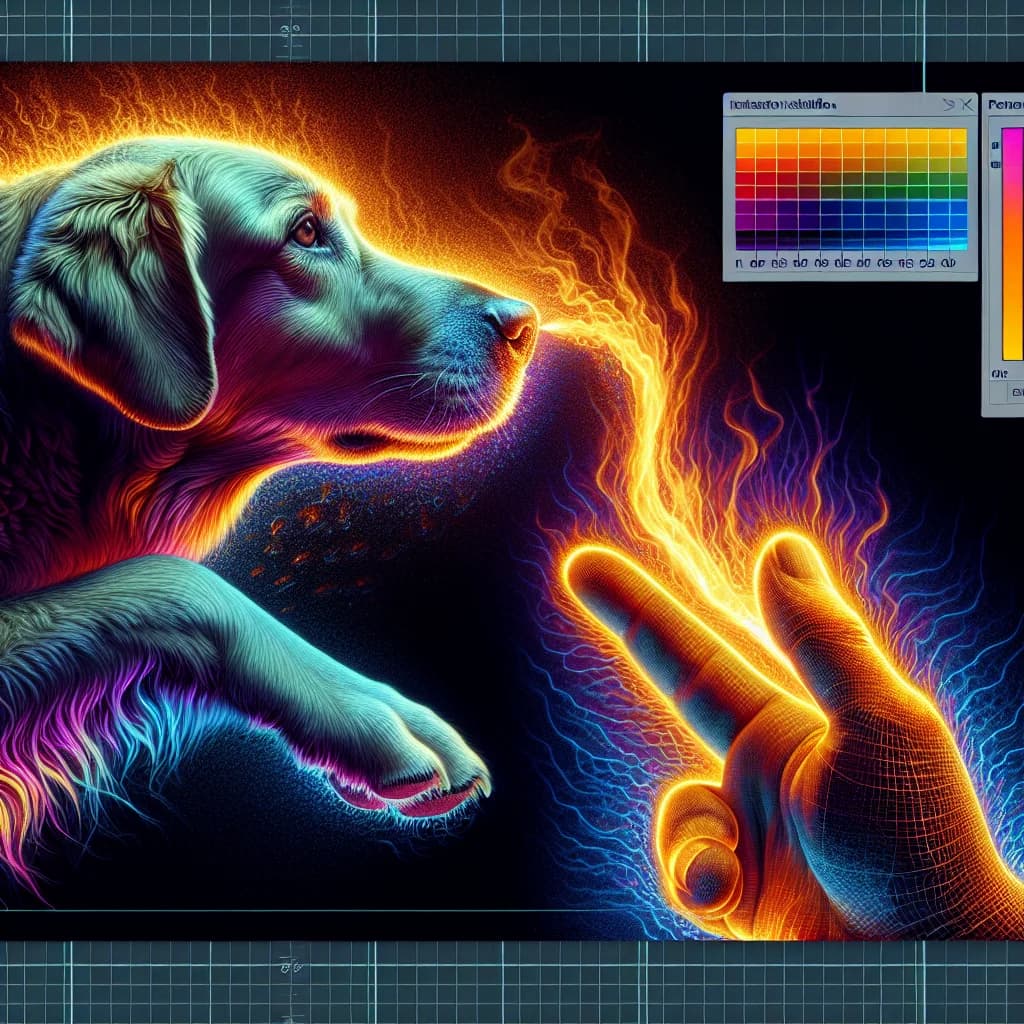
Why do dogs tilt their heads to help their brains localize sound and see past their muzzles
That adorable head tilt isn’t just a quest for cuteness; it’s actually a clever biological hack your dog uses to pinpoint sounds and peer past their own muzzles. Discover the fascinating science behind how your pup works overtime to better understand your every word and expression.

Too Long; Didn't Read
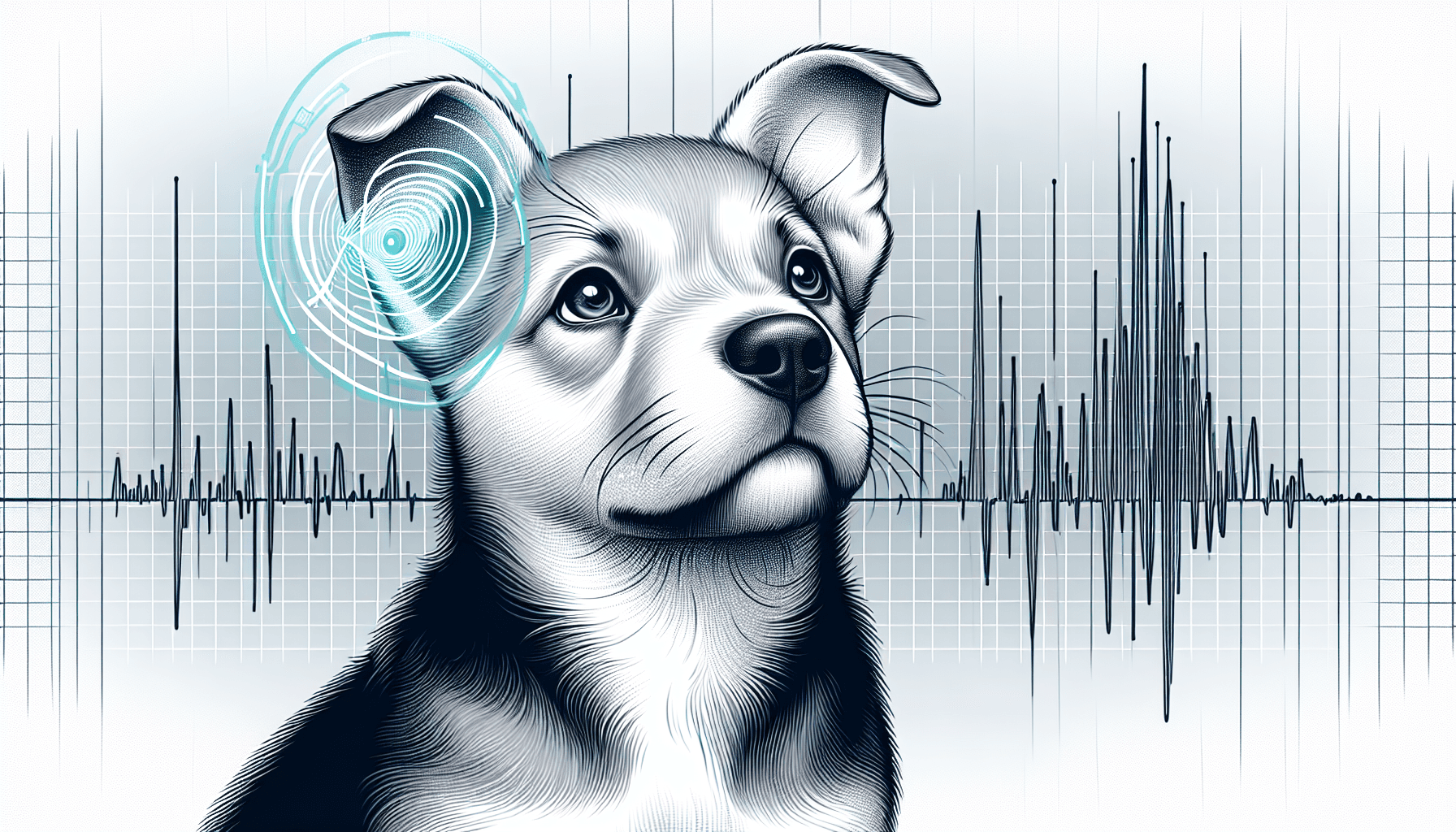
Dogs tilt their heads to better triangulate where sounds are coming from and to shift their muzzles out of their line of sight, which helps them see human facial expressions more clearly.
The Science of the Head Tilt: Why Do Dogs Tilt Their Heads to Help Their Brains Localize Sound and See Past Their Muzzles?
It is one of the most endearing behaviors in the canine world: you speak to your dog in an animated tone, and they respond with a sharp, inquisitive tilt of the head. While humans often interpret this as a sign of "confusion" or "cuteness," this behavior is deeply rooted in the complex biology of canine sensory processing. Far from being a random quirk, the head tilt is a sophisticated physical adjustment designed to optimize how a dog’s brain interprets its environment.
Understanding why dogs tilt their heads provides a fascinating window into their evolutionary history and their unique bond with humans. This behavior is primarily driven by two functional needs: the requirement to localize sound with precision and the anatomical necessity of seeing past their own muzzles. By exploring the science behind these movements, owners can gain a deeper appreciation for the high-level sensory work their pets perform every day.
Precise Sound Localization: The Auditory Advantage
One of the primary reasons dogs tilt their heads is to better triangulate the source and distance of a sound. While dogs can hear frequencies much higher than humans can, their ability to pinpoint the exact origin of a sound is dependent on how the brain processes "interaural time differences"—the tiny fraction of a second difference between when a sound hits the left ear versus the right ear.
Changing the Ear’s Plane
When a dog’s head is level, their ears are on the same horizontal plane. This makes it easy to identify if a sound is coming from the left or the right. However, it is much harder for the canine brain to determine if a sound is coming from directly in front, above, or below. By tilting their head, a dog shifts the vertical and horizontal position of their ears. This provides the brain with new data points, allowing the dog to:
- Pinpoint elevation: Determine if a sound is coming from a bird in a tree or a mouse in the grass.
- Clarify tone: Better distinguish the specific inflections in human speech, which helps them identify familiar words or emotional cues.
- Filter noise: Adjust the outer ear (pinna) to better capture sound waves in a crowded environment.
The Visual Barrier: Seeing Past the Muzzle
Beyond acoustics, the head tilt is also a visual strategy. For many breeds, the muzzle (the snout) sits directly in the lower line of sight. If you place your fist in front of your nose and look forward, you will gain a sense of how a dog views the world. The muzzle obscures the lower half of the visual field, specifically blocking the view of whatever is directly in front of the dog’s mouth.
Reading Human Expressions
In 2013, researcher Stanley Coren, PhD, hypothesized that dogs tilt their heads to see our faces more clearly. Dogs are remarkably sensitive to human facial expressions, particularly the movements of our mouths and eyes. Because the muzzle can block a dog’s view of a human’s lower face, the dog tilts its head to shift its perspective. This allows them to see past their snout and fully observe the speaker's facial cues.
Coren’s study found that:
- Dogs with more prominent muzzles (such as Greyhounds or German Shepherds) tilt their heads more frequently than "flat-faced" (brachycephalic) breeds like Pugs or Bulldogs.
- The tilt helps the dog better interpret the emotional state of the owner, strengthening the human-animal bond through improved visual communication.
Cognitive Processing and Empathy
Recent studies in animal behavior, including research published in Animal Cognition, suggest that the head tilt is also linked to high levels of mental processing. Dogs that tilt their heads often demonstrate a higher capacity for "word learning." When a dog hears a familiar command or a "gift-word" (like "treat" or "walk"), the brain enters a state of high alert. The tilt may be a physical manifestation of the dog’s brain searching for a match in its internal vocabulary while simultaneously processing the owner's body language.
When to Consult a Professional
While the occasional head tilt in response to sound is normal and healthy, it is important for owners to distinguish between a behavioral tilt and a medical one. If a dog maintains a persistent head tilt without an auditory stimulus, it may indicate a vestibular issue or an ear infection. Owners should consult a veterinarian if the tilt is accompanied by:
- Loss of balance or stumbling.
- Nystagmus (flickering of the eyes).
- Frequent scratching of the ears or a noticeable odor.
Conclusion
The iconic canine head tilt is more than just a charming pose; it is a testament to the dog’s biological ingenuity. By shifting the angle of their head, dogs utilize physics to localize sound and adjust their visual perspective to overcome the physical limitations of their muzzles. This behavior highlights how deeply dogs are tuned into our voices and expressions, constantly refining their sensory input to better understand the humans they live with. Recognizing the science behind these movements allows us to see our pets not just as companions, but as highly perceptive animals constantly working to bridge the communication gap between species. For responsible owners, observing these traits is the first step in fostering a more empathetic and informed relationship with their dogs.