Why do dogs use the fading scent of their owners to track the passage of time throughout the day
While we watch the clock, our dogs sense the air, measuring your absence by the slow decay of your lingering scent. Discover the secret "olfactory clock" that allows your pup to predict the exact moment you’ll walk through the door.

Too Long; Didn't Read
Dogs track the passage of time by sensing the gradual dissipation of their owner's scent. As the scent molecules weaken throughout the day, dogs learn to associate specific levels of odor intensity with the timing of their owner's return, effectively using their noses as a biological clock.
The Science of Smelling Time: Why do dogs use the fading scent of their owners to track the passage of time throughout the day?
While humans rely on the visual cues of a ticking clock or the shifting position of the sun to navigate their schedules, the domestic dog (Canis lupus familiaris) perceives the progression of the day through a much more fluid and invisible medium: aroma. For centuries, we have marveled at a dog’s ability to predict the exact moment their owner returns from work. It is not a psychic phenomenon, nor is it merely a reaction to the sound of a specific car engine. Instead, it is a sophisticated biological process involving the degradation of scent particles. Understanding why do dogs use the fading scent of their owners to track the passage of time throughout the day? provides vital insight into canine cognition and the profound sensory bond between humans and their pets. This post explores the "scent-clock" hypothesis and the biological mechanisms that allow dogs to smell the past and predict the future.
The Canine Olfactory Powerhouse
To understand how dogs track time through scent, one must first recognize the sheer scale of their olfactory capabilities. A dog’s brain is specialized for scent processing, with an olfactory bulb—the part of the brain that processes smells—that is, proportionally, forty times larger than that of a human. While humans possess roughly 6 million olfactory receptors, dogs boast up to 300 million, depending on the breed.
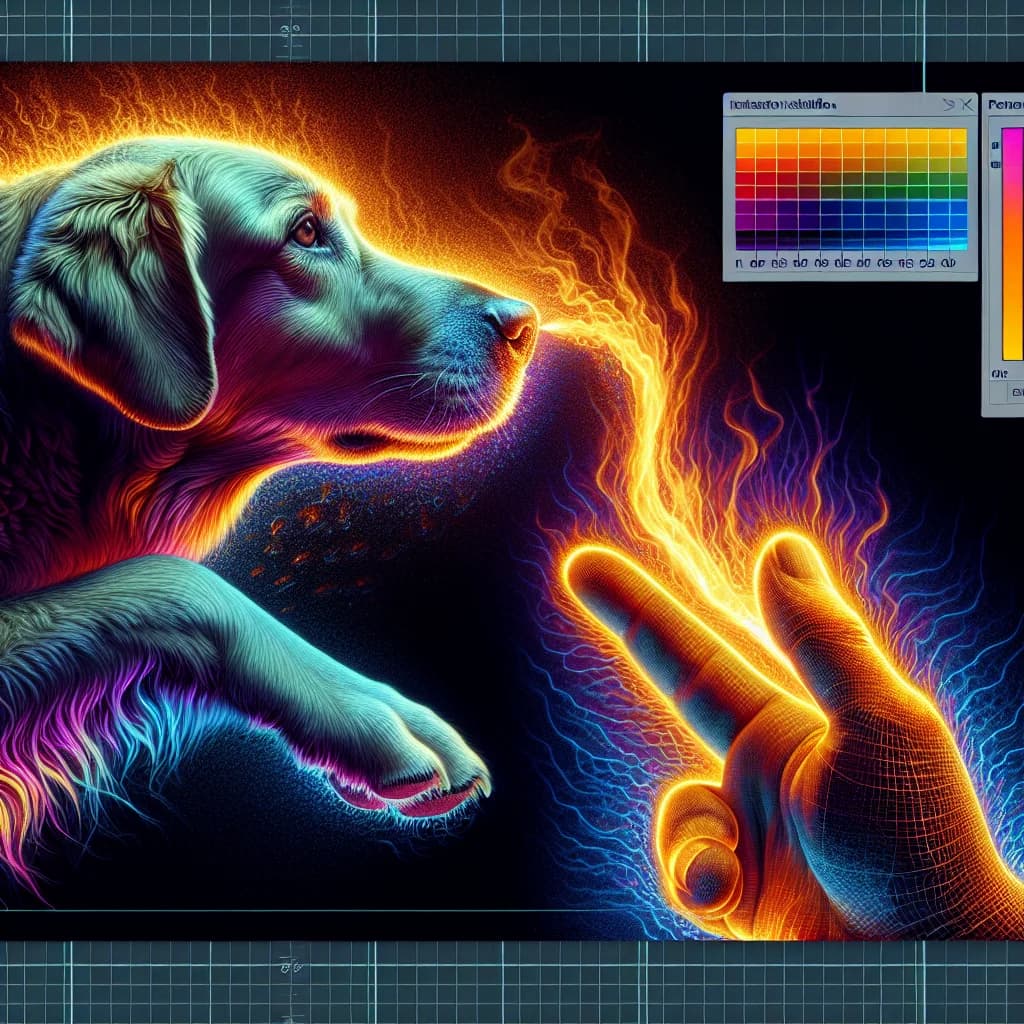
This heightened sensitivity allows dogs to detect "parts per trillion." In practical terms, this means they do not just smell a "person"; they smell the specific chemical components of that person’s skin, sweat, and clothing. More importantly, they can detect the concentration of these molecules in the air. This ability forms the foundation of what researchers call "smelling time."
The "Scent-Clock" Hypothesis
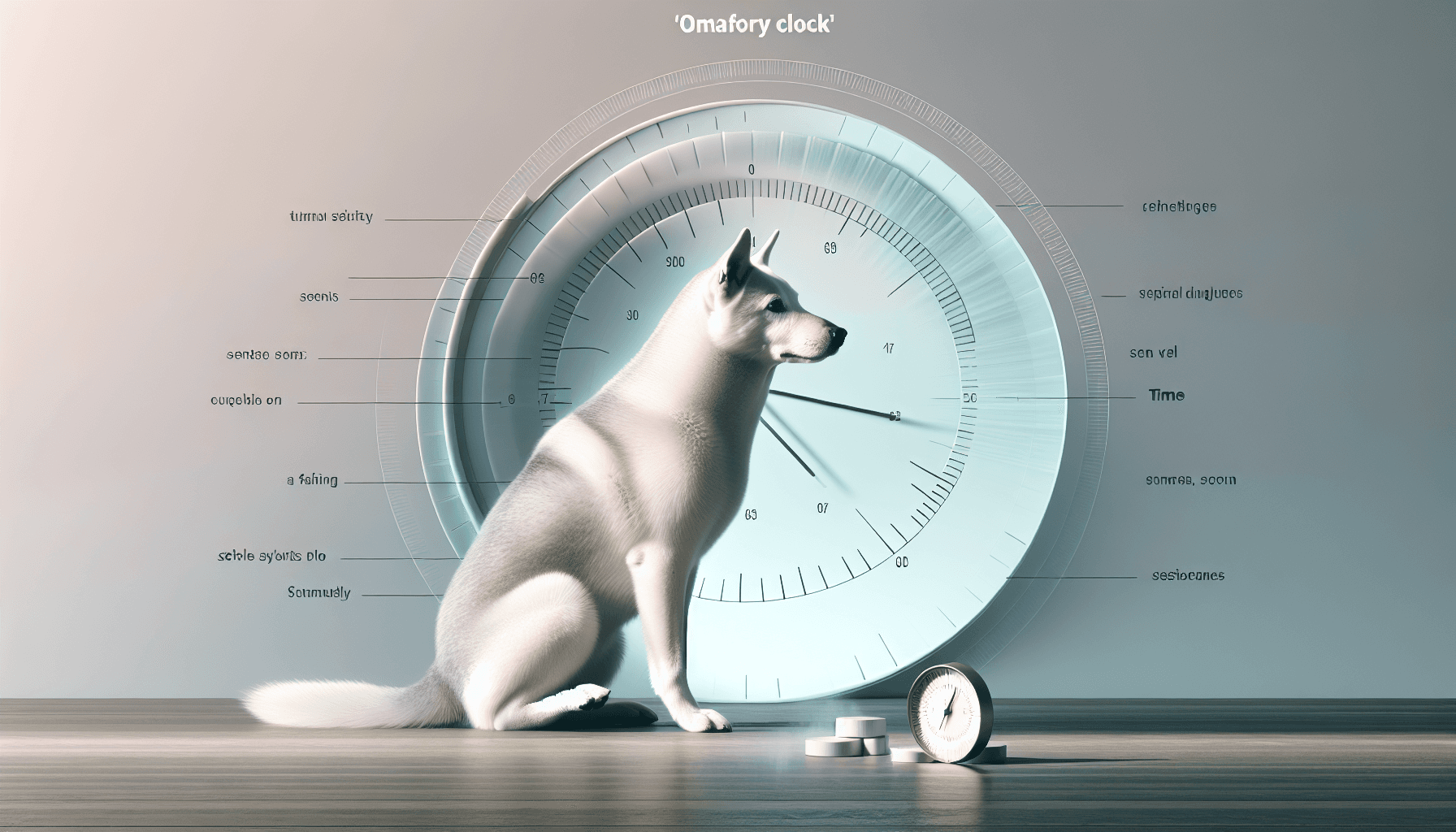
The primary theory regarding canine time-telling was popularized by cognitive scientist Alexandra Horowitz. The concept suggests that scent is not static; it changes in intensity over a duration. When an owner leaves the house in the morning, their scent is at its peak concentration. As the hours pass, the scent molecules begin to dissipate and weaken.
- Scent Degradation: As air circulates through a home, scent particles are moved and diluted.
- Predictable Decay: For a dog living in a consistent environment, the rate at which an owner’s scent fades is relatively predictable.
- The Threshold of Return: Over time, the dog learns through repetition that when the owner's scent reaches a specific, weakened "low-point," the owner usually walks through the door.
In this sense, the dog is not looking at a clock; they are measuring the remaining strength of a lingering aroma to determine how much time has elapsed since the owner's departure.
Circadian Rhythms vs. Environmental Cues
While the scent-clock is a powerful tool, it works in tandem with the dog’s internal biological systems. Like all mammals, dogs possess circadian rhythms—internal 24-hour cycles that regulate sleep, hunger, and hormone release. However, internal clocks can be imprecise.
External "zeitgebers" (time-givers) like the scent of an owner provide the environmental context necessary for a dog to fine-tune their expectations. While their stomach might tell them it is "near" dinner time, the fading scent of their owner provides the specific data needed to anticipate the arrival of the person who provides that meal.
Practical Implications for Dog Owners
Understanding that dogs use scent to track our presence and absence has significant implications for animal husbandry and behavioral health, particularly regarding separation anxiety.
- Consistency Matters: Because dogs rely on the predictable decay of scent, sudden changes in the home environment (like using heavy air fresheners or cleaning an owner’s favorite chair) can temporarily "reset" their scent-clock, potentially causing confusion.
- Managing Anxiety: For dogs prone to separation distress, providing an unwashed piece of clothing can help. While the scent still fades, the initial "spike" in the owner's aroma can provide a sense of security, effectively extending the "scent-clock" and making the owner’s absence feel shorter or more manageable.
- Routine Reinforcement: Maintaining a consistent departure and return schedule allows the dog to accurately calibrate their scent-based predictions, reducing stress.
Conclusion
The question of why do dogs use the fading scent of their owners to track the passage of time throughout the day? reveals the extraordinary sensory world our canine companions inhabit. By measuring the physical decay of odor molecules, dogs transform their environment into a living timeline, allowing them to bridge the gap between our departure and return. Recognizing this biological reality helps us move away from anthropomorphic myths and toward a science-based appreciation of canine intelligence. For responsible owners, this knowledge underscores the importance of routine and the power of scent in maintaining a dog’s emotional well-being. By respecting their "smell-time," we can foster a deeper, more empathetic connection with the animals that share our homes.