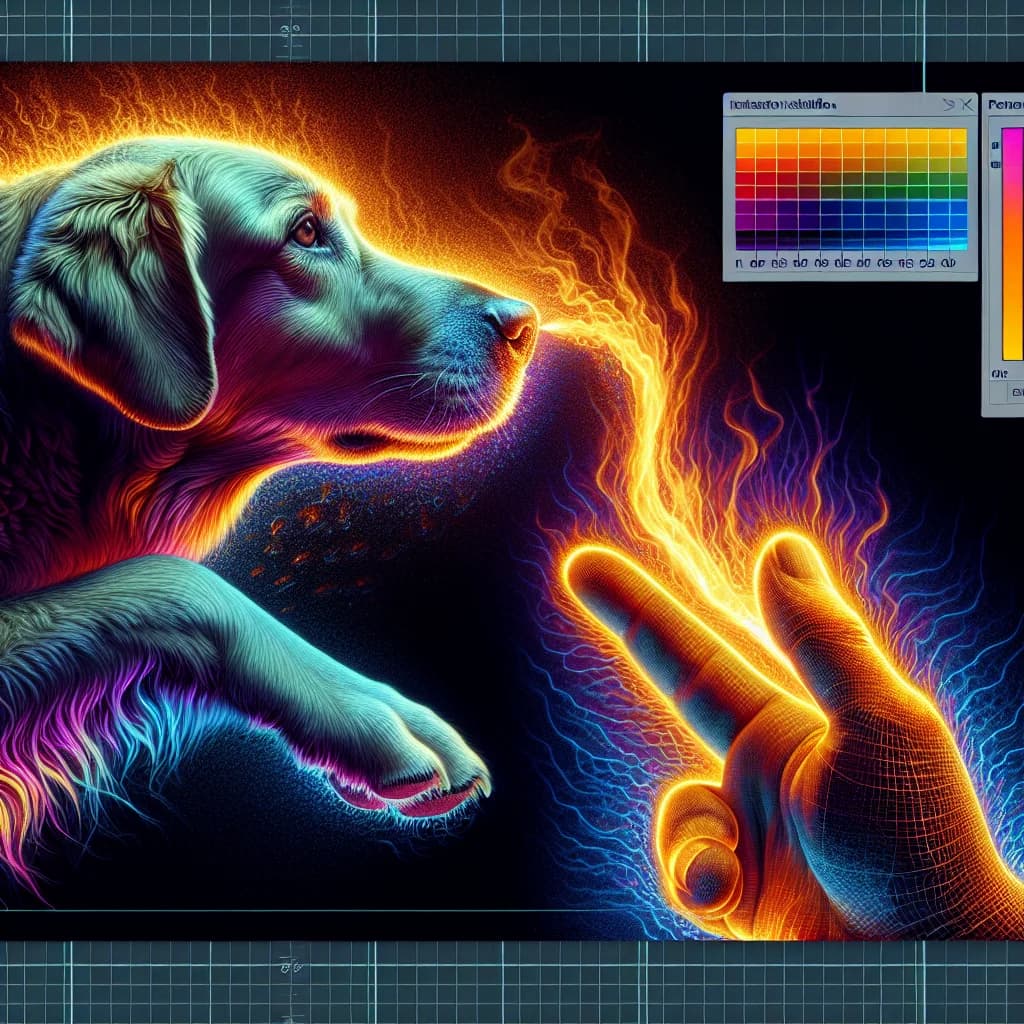
Why do dogs wag their tails more to the right when happy and to the left when anxious
Your dog’s tail is a silent communicator, but the secret to their true mood lies in the direction of the swing. Discover the fascinating neurological reason why a wag to the right signals pure joy, while a shift to the left is a subtle cry for comfort.


Too Long; Didn't Read
Tail wagging direction is linked to brain hemisphere dominance. When a dog feels positive, the left side of the brain is active, causing the tail to wag more to the right. When the dog feels anxious or threatened, the right side of the brain takes over, leading to a wag that leans to the left.
Decoding the Tail: Why Do Dogs Wag Their Tails More to the Right When Happy and to the Left When Anxious?
Have you ever wondered if your dog’s tail wag is more than just a sign of general excitement? For centuries, humans have viewed the wagging tail as a universal symbol of canine joy. However, modern animal behavior science has revealed that the direction of the wag is a precise indicator of a dog’s internal emotional state. This phenomenon is rooted in the complex biology of the canine brain and its evolutionary development. Understanding why dogs wag their tails more to the right when happy and to the left when anxious is essential for responsible pet ownership. It allows us to interpret our companions' feelings beyond the surface level, significantly enhancing animal welfare and the human-animal bond. This blog post explores the neurological mechanisms behind directional tail wagging and what these subtle movements communicate about a dog's mental health.
The Science of Brain Lateralization: Left vs. Right
To understand why a tail moves in a specific direction, we must first look at the brain. Like humans, dogs exhibit brain lateralization, meaning the two hemispheres of the brain specialize in processing different types of emotions and stimuli.
In the canine brain:
- The Left Hemisphere is generally associated with positive, "approach" emotions. This includes feelings of safety, relaxation, and the desire to engage with a stimulus (like seeing a beloved owner).
- The Right Hemisphere is linked to negative, "withdrawal" emotions. This involves feelings of fear, anxiety, depression, or the need to retreat from a perceived threat (like an aggressive unfamiliar dog).
Because the brain's wiring is "cross-wired"—meaning the left side of the brain controls the muscles on the right side of the body, and vice versa—the emotional activity in a specific hemisphere manifests physically on the opposite side.
The Research: The Bari Study
The primary evidence for directional wagging comes from a landmark 2007 study conducted by neuroscientist Giorgio Vallortigara and veterinarians Angelo Quaranta and Marcello Siniscalchi at the University of Bari in Italy. The researchers observed 30 domestic dogs of various breeds while exposing them to different stimuli.
When the dogs saw their owners, their tails wagged with a strong bias toward the right side of their bodies. Conversely, when they were shown a stimulus that triggered anxiety—such as a large, dominant, unfamiliar dog—their tails shifted their bias toward the left side. This provided the first scientific confirmation that tail wagging is not a symmetrical behavior but a reflection of hemispheric brain activation.
Right-Sided Wags: Positive Engagement and Safety
When a dog’s tail wags more to the right, it indicates that the left hemisphere of the brain is dominant. In animal behavior, this is known as an approach motivation.
Characteristics of a Right-Biased Wag:
- Stimulus: Seeing a favorite human, receiving a treat, or preparing for a walk.
- Emotional State: Confidence, joy, and social curiosity.
- Physical Cues: The tail often moves in a wider, more relaxed arc, and the dog’s overall body language is loose and wiggly.
Left-Sided Wags: Anxiety and Caution
A left-leaning wag suggests that the right hemisphere of the brain is taking the lead. This part of the brain is responsible for processing "high-arousal" negative emotions and flight-or-fight responses.
Characteristics of a Left-Biased Wag:
- Stimulus: Encountering an aggressive dog, hearing a frightening noise, or being in an unfamiliar, stressful environment.
- Emotional State: Anxiety, wariness, and the urge to withdraw or protect themselves.
- Physical Cues: The wag may appear more stiff or hesitant. It serves as a visual signal that the dog is "on guard" and not fully comfortable with the situation.
Do Other Dogs Notice the Difference?
In a follow-up study in 2013, the same research team discovered that dogs actually monitor the tail directions of other dogs. When dogs saw a video of another dog wagging to the left, their heart rates increased and they showed signs of stress. When they saw a dog wagging to the right, they remained calm. This suggests that directional wagging serves as a vital social cue within the species, helping dogs communicate their intentions and emotional states to one another from a distance.
Practical Guidelines for Owners
While it can be difficult to spot these subtle biases in real-time—especially with breeds that have curly or docked tails—being aware of this science can help you better advocate for your pet.
- Observe in New Environments: If your dog wags more to the left at the veterinary clinic or a new park, they are likely feeling anxious.
- Social Interactions: Pay attention to your dog's tail when meeting new dogs. A left-leaning bias is a sign to give your dog more space or remove them from the interaction.
- Context Matters: Always pair tail direction with other body language markers, such as ear position, pupil dilation, and posture, for a complete picture of your dog’s well-being.
Conclusion
Decoding tail wag direction provides a fascinating window into the canine mind. While a wagging tail may look the same at a glance, the subtle bias toward the right or left reveals whether a dog feels secure or threatened. This asymmetrical behavior is a direct reflection of brain lateralization, proving that our dogs' emotional lives are as complex as our own. By paying closer attention to these cues, owners can better navigate social interactions, reduce environmental stressors, and advocate for their pets' emotional well-being. Recognizing these signals is a vital step toward more empathetic and informed animal care. If you ever notice persistent changes in your dog's behavior or body language that suggest chronic stress, consulting with a certified animal behaviorist or veterinary professional is the best course of action.