Why do dogs wag their tails to the right when happy and to the left when they feel anxious
Your dog’s tail is more than just a joy meter—it’s a secret emotional compass. Discover the fascinating science behind why the direction of a wag reveals exactly what your pup is thinking before they even bark.

Too Long; Didn't Read
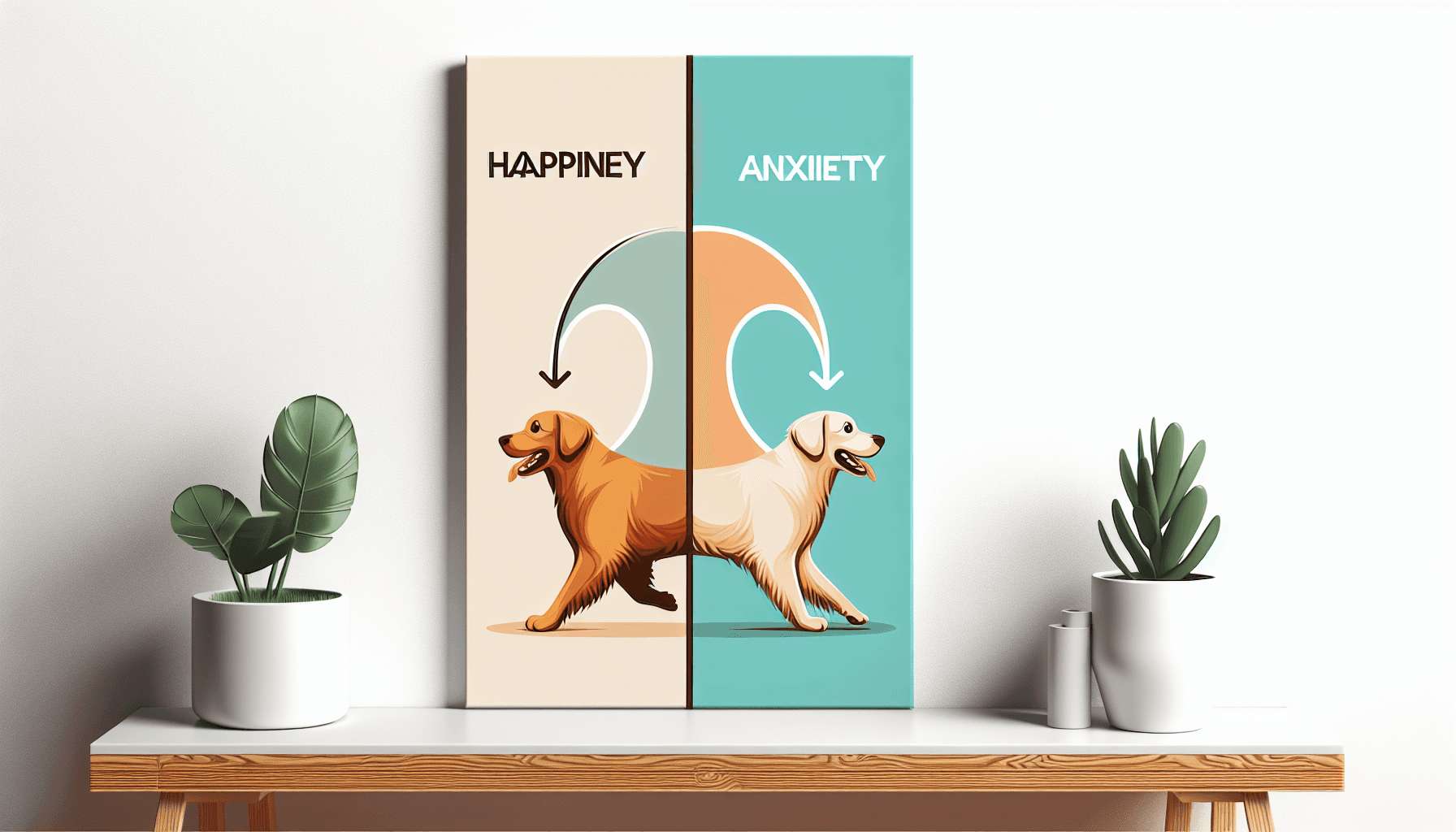
Research shows a dog’s tail wag direction is linked to brain lateralization. The left hemisphere processes positive emotions and controls the right side of the body, leading to right-leaning wags when happy. Conversely, the right hemisphere processes negative feelings like anxiety, causing the tail to lean left.
Decoding Canine Body Language: Why Do Dogs Wag Their Tails to the Right When Happy and to the Left When They Feel Anxious?
For generations, the image of a wagging tail has been synonymous with a happy dog. However, modern animal behaviorists and neuroscientists have discovered that a wag is not a simple "on-off" switch for joy. Instead, it is a complex communication tool rooted deep within the canine brain. Understanding the nuances of tail movement—specifically the direction of the arc—offers a fascinating window into a dog's emotional state. This subtle distinction, where dogs wag their tails to the right when happy and to the left when they feel anxious, is more than just a quirk; it is a manifestation of brain lateralization. By learning to decode these signals, pet owners can significantly enhance animal welfare and strengthen the human-animal bond through more empathetic and accurate communication.
The Neurobiology of the Wag: Brain Lateralization
The primary reason behind directional tail wagging lies in the way a dog’s brain is organized. Like humans, dogs exhibit "brain lateralization," meaning the two hemispheres of the brain manage different emotional and behavioral responses. In the canine world, the left hemisphere is generally associated with positive, "approach" emotions, such as curiosity, excitement, and relaxation. Conversely, the right hemisphere is linked to negative, "withdrawal" emotions, such as fear, anxiety, and depression.
Because the brain is cross-wired—meaning the left side of the brain controls the right side of the body, and vice versa—these emotional states are expressed physically on the opposite side. When a dog feels positive and wants to approach something, the left hemisphere activates, causing the tail to pull more heavily toward the right. When the dog feels threatened or anxious, the right hemisphere takes over, pulling the tail toward the left.
Right-Biased Wags: The Sign of a Happy Dog
When a dog encounters a familiar owner or a friendly peer, their brain’s left hemisphere processes this as a rewarding stimulus. This results in a tail wag with a clear bias toward the right side of the dog's body (from the dog’s perspective).
- Social Context: Research conducted by the University of Trento involved monitoring dogs as they viewed different stimuli. When dogs saw their owners, their tails exhibited a strong right-sided bias.
- Physical Indicators: A right-biased wag is often accompanied by "soft" eyes, a relaxed body posture, and sometimes the famous "wiggle butt" where the entire rear end moves in rhythm with the tail.
- The "Approach" Signal: This movement signals that the dog is comfortable and willing to engage in social interaction.
Left-Biased Wags: Recognizing Anxiety and Stress
A left-biased wag serves as a subtle warning sign or an expression of internal conflict. It occurs when the right hemisphere of the brain—the center for "flight or fight" responses—is dominant.
- Trigger Factors: This response is typically triggered by negative stimuli, such as an unfamiliar, dominant dog or a person who appears threatening.
- Implicit Research Findings: In the same University of Trento study, when dogs were shown an aggressive, unfamiliar large dog, their tail wags shifted significantly to the left.
- The "Withdrawal" Signal: Unlike the sweeping, vigorous right-sided wag, a left-sided wag may appear more tentative or stiff, indicating that the dog is experiencing stress and would prefer to avoid the situation.
How Other Dogs Perceive the Direction
Perhaps the most remarkable finding in canine science is that dogs can actually read these subtle directional cues in one another. In follow-up studies, researchers showed dogs videos of other dogs wagging their tails.
- Emotional Contagion: When dogs watched a video of a peer wagging to the right, they remained relaxed and calm.
- Stress Response: When they watched a dog wagging to the left, their heart rates increased, and they showed visible signs of anxiety.
This suggests that tail lateralization is not just an accidental byproduct of brain activity; it is a vital component of canine social signaling that helps dogs navigate potential conflicts and social hierarchies.
Practical Tips for Observant Owners
While it can be difficult to spot these movements in dogs with docked tails or extremely curly tails, owners of most breeds can use these observations to better manage their pet's environment:
- Perspective Matters: Always judge the direction from the dog’s point of view (from the base of the tail looking toward the tip).
- Context is Key: Never look at the tail in isolation. Combine your observation of the tail's direction with other body language markers like ear position, lip tension, and pupil dilation.
- Safety First: If you notice a dog wagging to the left in a social setting, it is an evidence-based signal that the dog is uncomfortable. Providing space or removing the dog from the stimulus can prevent escalated aggression.
Conclusion
Understanding why dogs wag their tails to the right when happy and to the left when they feel anxious provides a deeper appreciation for the complex emotional lives of our pets. This biological phenomenon, rooted in the lateralization of the canine brain, serves as a sophisticated silent language. By paying close attention to these subtle shifts, we can move beyond the myth that "every wag means a happy dog" and provide more responsible, empathetic care. Recognizing these signs allows us to better support our dogs during moments of stress and celebrate their moments of genuine joy. For owners looking to further refine their understanding of canine behavior, consulting with a certified veterinary behaviorist can provide even deeper insights into the unique personality and needs of their furry companions.