Why do domestic cats have tongues covered in tiny backward-facing hooks made of the same protein as human fingernails
Behind every sandpaper-textured lick lies a hidden marvel of bio-engineering designed for both survival and self-care. Discover the fascinating reason your cat’s tongue is actually a high-tech multi-tool made of the same protein as your own fingernails.

Too Long; Didn't Read
Cat tongues are covered in keratin hooks called papillae that serve as natural grooming tools to remove loose fur and debris. These structures also help cats efficiently scrape meat from bones and lap up water.
Nature’s Sandpaper: Why Do Domestic Cats Have Tongues Covered in Tiny Backward-Facing Hooks Made of the Same Protein as Human Fingernails?
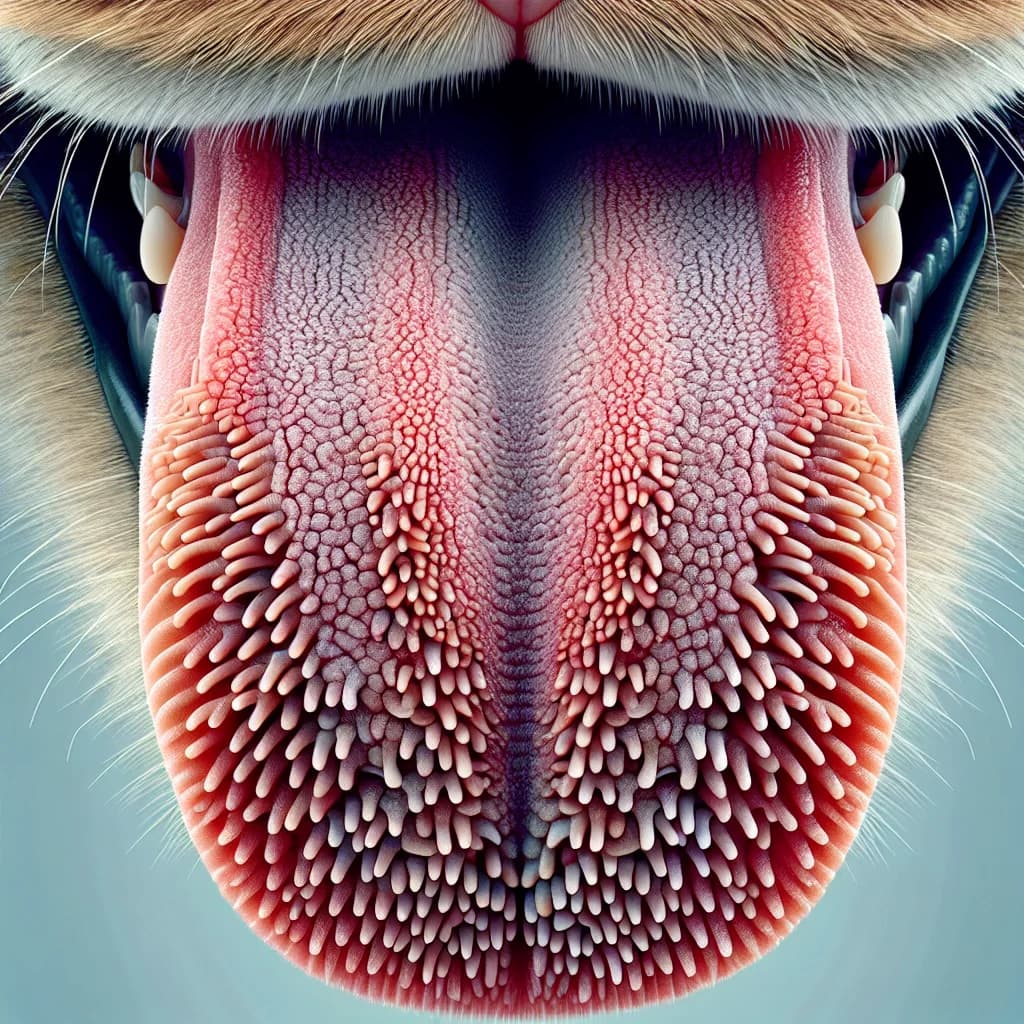
If you have ever been affectionately licked by a feline companion, you know the sensation is less like a smooth caress and more like a swipe of coarse sandpaper. This distinctive texture is not a random evolutionary quirk; it is the result of thousands of microscopic, backward-facing hooks known as filiform papillae. These structures are composed of keratin—the same tough, fibrous protein found in human fingernails and cat claws. For the domestic cat, the tongue is not just a muscle for tasting; it is a sophisticated, multi-purpose tool that has been refined over millions of years of evolution. Understanding why do domestic cats have tongues covered in tiny backward-facing hooks made of the same protein as human fingernails is essential for appreciating their unique physiology and ensuring their health and well-being.
The Biological Blueprint of the Feline Tongue
At a microscopic level, the cat’s tongue is a masterpiece of biological engineering. The filiform papillae are concentrated in the center of the tongue, pointing toward the throat. These hooks are specifically made of "hard" keratin, which provides the necessary rigidity and durability to withstand constant friction without wearing down.
The Role of Keratin
Keratin is a structural protein that provides a waterproof, resilient barrier. In the context of a cat’s tongue, the use of keratin ensures that the papillae remain sharp and stiff. Unlike the soft, rounded papillae on a human tongue used primarily for taste, feline filiform papillae lack taste buds and are designed for mechanical tasks. This allows the cat to use its tongue as a physical instrument for grooming and predation.
A Built-in Grooming System
The primary function of these keratinous hooks is hygiene. Domestic cats are fastidious self-groomers, often spending up to 25% of their waking hours cleaning their fur.
- Detangling and Debris Removal: The backward-facing hooks act like the teeth of a fine-combed brush. As the cat licks its coat, the papillae penetrate deep into the fur to remove loose hairs, dirt, and parasites like fleas.
- Saliva Distribution: A 2018 study published in the Proceedings of the National Academy of Sciences (PNAS) revealed that these papillae are actually U-shaped or hollow-tipped. This shape allows them to wick up saliva through capillary action and deposit it directly onto the cat’s skin.
- Thermoregulation: Because cats have limited sweat glands, the distribution of saliva across the skin via the papillae is a critical cooling mechanism. The evaporation of this moisture helps regulate their body temperature during warm weather.
Evolutionary Roots: Feeding and Survival
The domestic cat’s tongue is a miniature version of the tongues found in their wild ancestors, such as lions and tigers. In the wild, these hooks serve a predatory purpose.
Rasping and Nutrition
For a carnivore, every calorie counts. The sandpaper-like texture of the tongue allows felines to rasp meat away from the bones of their prey effectively. While domestic cats are typically fed processed diets, they retain this biological hardware. The ability to "strip" a bone ensures that no nutritional value is wasted, a trait that was vital for the survival of the Felis catus lineage before domestication.
Hydration Mechanics
Cats also use their specialized tongues to drink in a way that differs from many other mammals. Instead of "lapping" like a dog, which creates a spoon shape with the tongue, a cat touches the surface of the water with its papillae. By quickly pulling the tongue upward, they create a column of liquid that they then snap shut in their mouths, utilizing the surface tension enhanced by the texture of the tongue.
Implications for Feline Health
While these hooks are beneficial, they do present certain risks in a domestic setting. Because the papillae point backward toward the throat, any debris caught in them—such as loose fur or pieces of string—is difficult for the cat to spit out. This is why cats are prone to developing hairballs (trichobezoars) and why linear foreign body ingestion (swallowing yarn or thread) is a common veterinary emergency. Owners should monitor their cat’s grooming habits and provide regular brushing to assist the natural function of the tongue, especially in long-haired breeds.
Conclusion
The feline tongue is a remarkable example of evolutionary specialization, where keratin-based structures transform a simple organ into a high-performance grooming and feeding tool. By understanding why do domestic cats have tongues covered in tiny backward-facing hooks made of the same protein as human fingernails, owners can better appreciate the intricate biology of their pets. These hooks are vital for maintaining skin health, regulating temperature, and ensuring efficient feeding. Recognizing the mechanical nature of the cat’s tongue also highlights the importance of environmental safety, such as keeping small strings out of reach. Ultimately, the "sandpaper kiss" is a testament to the cat’s history as a highly efficient and self-sufficient hunter, now adapted to life in our homes.