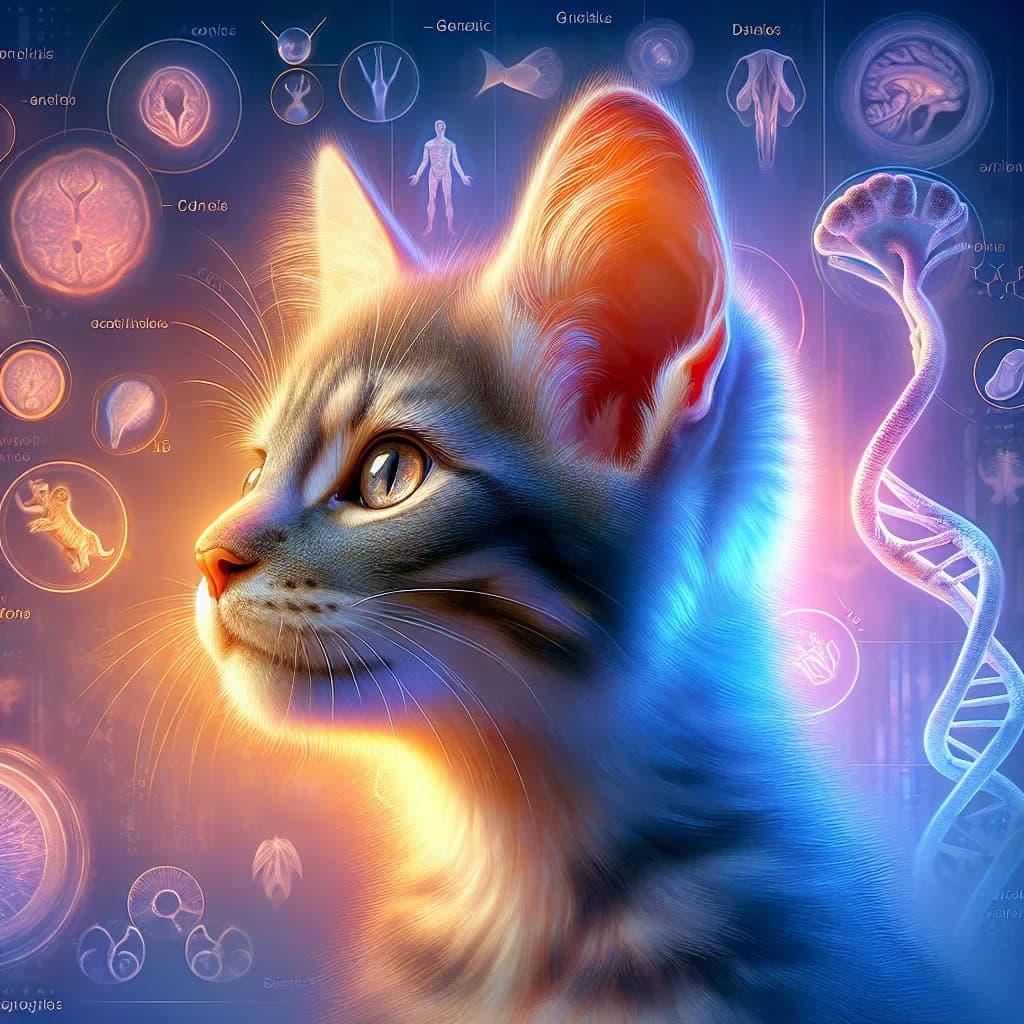
Why do domestic cats lack the functional taste receptors to perceive sweetness because of a unique genetic mutation
While humans crave dessert, your feline friend lives in a world where sugar simply doesn't exist. Discover the strange evolutionary "glitch" that deleted the sense of sweetness from every cat on Earth and turned them into nature’s ultimate carnivores.

Too Long; Didn't Read
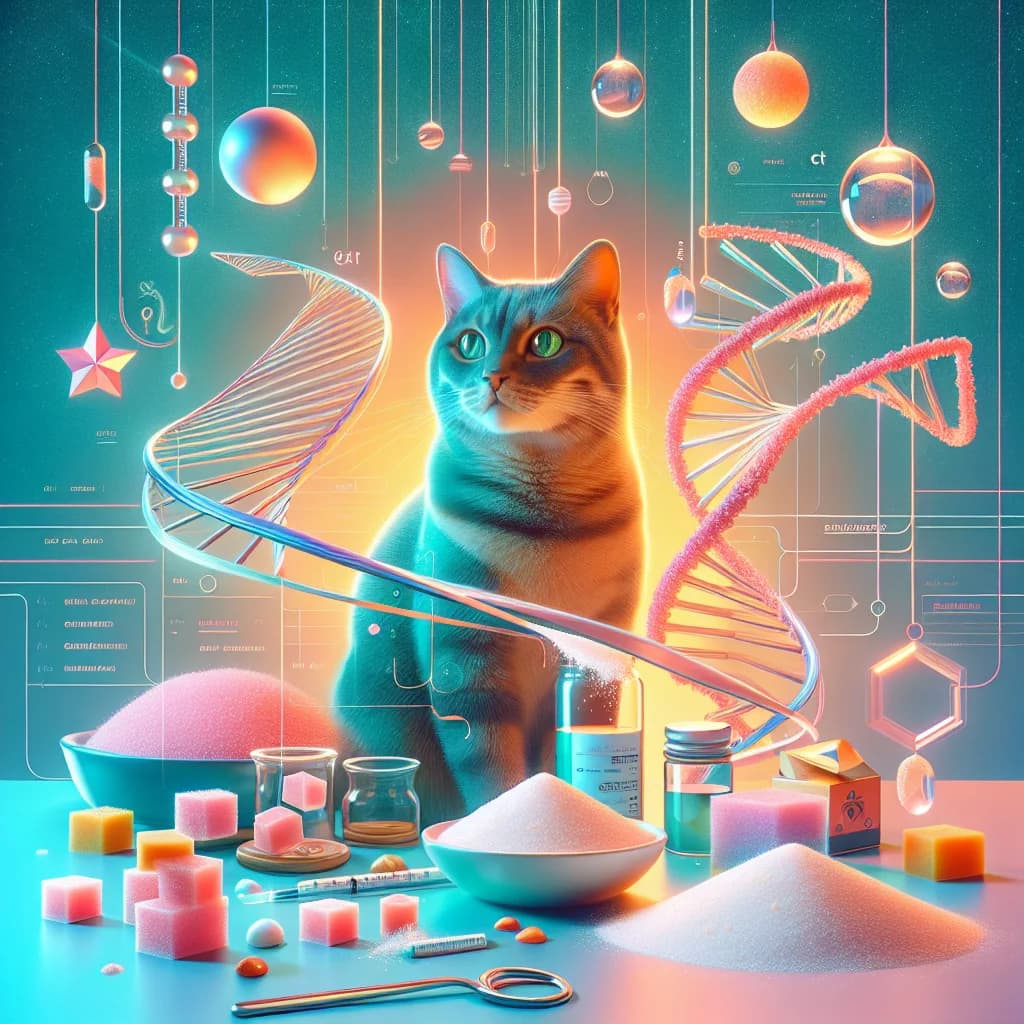
Domestic cats cannot taste sweetness due to a genetic mutation that disables the Tas1r2 gene, preventing the formation of functional sweet-taste receptors. This evolutionary trait aligns with their status as obligate carnivores, as they do not require sugar-rich foods for survival.
The Genetic Mystery of the "Sweet Blind" Feline: Why Do Domestic Cats Lack the Functional Taste Receptors to Perceive Sweetness Because of a Unique Genetic Mutation?
While humans often indulge in sugary snacks and desserts, our feline companions inhabit a completely different sensory world. If you have ever wondered why your cat ignores a piece of cake but rushes for a slice of turkey, the answer lies deep within their DNA. Unlike almost every other mammal, domestic cats—and their wild relatives—are "sweet blind." This biological quirk is not a matter of preference but a result of a fundamental evolutionary shift. Understanding why do domestic cats lack the functional taste receptors to perceive sweetness because of a unique genetic mutation is essential for any pet owner looking to optimize their animal’s health and appreciate the specialized nature of the feline species. This post will delve into the molecular biology, evolutionary history, and nutritional consequences of this fascinating genetic trait.
The Biological Mechanism: Understanding the T1R Receptor Pair
To understand why cats cannot taste sweetness, we must first look at how taste works on a molecular level. In most mammals, the perception of "sweet" is made possible by a G-protein-coupled receptor located on the taste buds of the tongue. This receptor is a heterodimer, meaning it is composed of two different proteins that work together like a lock and key. These proteins are produced by two specific genes: Tas1r2 and Tas1r3.
When a sugar molecule enters the mouth, it binds to this receptor pair, sending a signal to the brain that the food is energy-rich and sweet. In domestic cats, however, this system is broken. While cats still possess a functional Tas1r3 gene, the Tas1r2 gene has undergone a significant mutation. It has become what scientists call a "pseudogene"—a segment of DNA that resembles a gene but is chemically unable to produce a functional protein. Because one half of the "lock" is missing, the sweet receptor cannot form, leaving cats unable to detect the molecular signature of sugars.
A Molecular Glitch: The Tas1r2 Pseudogene
The discovery of this genetic mutation was a landmark study in sensory biology. Researchers at the Monell Chemical Senses Center found that the feline Tas1r2 gene is missing 247 base pairs of DNA that are essential for coding the receptor protein. This is not a recent development caused by domestication; rather, it is a trait shared across the entire Felidae family, including lions, tigers, and cheetahs.
This specific genetic deletion means that even if you offered a cat a bowl of pure sugar water, their taste buds would not register it as anything different from plain water. Interestingly, this mutation is rare in the animal kingdom. Most mammals, even those that primarily eat meat like dogs or hyenas, have retained their sweet receptors to help them identify calorie-dense carbohydrates or fruits.
Evolution of the Obligate Carnivore
The primary reason this mutation persists is likely linked to the cat's status as an obligate carnivore. In the wild, the ancestors of domestic cats survived on a diet consisting almost exclusively of animal tissue. Meat provides protein and fat but contains negligible amounts of carbohydrates or sugars.
From an evolutionary standpoint, the "use it or lose it" principle applies:
- Genetic Drift: Because cats did not need to identify fruit or nectar to survive, there was no selective pressure to keep the sweet receptor functional.
- Specialization: By losing the ability to taste sugar, cats may have become more sensitive to other flavors, such as the taste of Adenosine Triphosphate (ATP), a molecule that signals the presence of fresh meat.
- Metabolic Efficiency: Cats have also lost some of the hepatic enzymes (like glucokinase) that other animals use to process large spikes in glucose, further proving their bodies are not designed for sugar consumption.
Nutritional Implications: If They Can't Taste Sugar, Why Do They Eat It?
Some cat owners may argue that their pets seem to enjoy sweet foods like ice cream or glazed pastries. However, animal behaviorists suggest that cats are likely attracted to other components of these foods.
- Fat Content: Cats have highly developed receptors for dietary fats. When a cat licks ice cream, they are responding to the high fat and protein content, not the sugar.
- Texture and Temperature: Felines are sensitive to the "mouthfeel" and temperature of food, often preferring items that mimic the temperature of prey.
- Amino Acids: Cats can taste certain amino acids as "sweet-like" or savory, which may lead to confusion when observing their reactions to human foods.
Providing a diet high in carbohydrates can be detrimental to feline health, potentially leading to obesity and feline diabetes, as their metabolic pathways are not optimized for breaking down complex sugars.
Conclusion
The fact that domestic cats lack the functional taste receptors to perceive sweetness because of a unique genetic mutation is a powerful reminder of their highly specialized evolutionary path. By losing the Tas1r2 gene functionality, cats became the ultimate predatory specialists, finely tuned to the flavors of protein and fat. For responsible pet owners, this knowledge is vital; it highlights why high-protein, low-carbohydrate diets are biologically appropriate for felines. Recognizing that your cat views the world—and their food bowl—through a unique sensory lens allows for better husbandry and a deeper respect for their nature as obligate carnivores. Always consult with a veterinarian to ensure your cat’s diet aligns with their specific biological needs, keeping them healthy and satisfied without the need for sugar.