Why do domestic cows form deep individual friendships and experience significant stress when separated from their best friends
Did you know that cows have "best friends" and can experience genuine heartbreak when they’re apart? Discover the surprising science behind the deep emotional lives of these gentle giants and why their social bonds are far more complex than we ever imagined.

Too Long; Didn't Read
Domestic cows are highly social animals that form specific individual bonds to enhance their emotional well-being and reduce anxiety. Scientific studies show that being near a preferred partner lowers their heart rate and cortisol levels, while separation triggers significant physiological stress, highlighting their need for stable social environments.
The Science of Bovine Bonds: Why Do Domestic Cows Form Deep Individual Friendships and Experience Significant Stress When Separated from Their Best Friends?
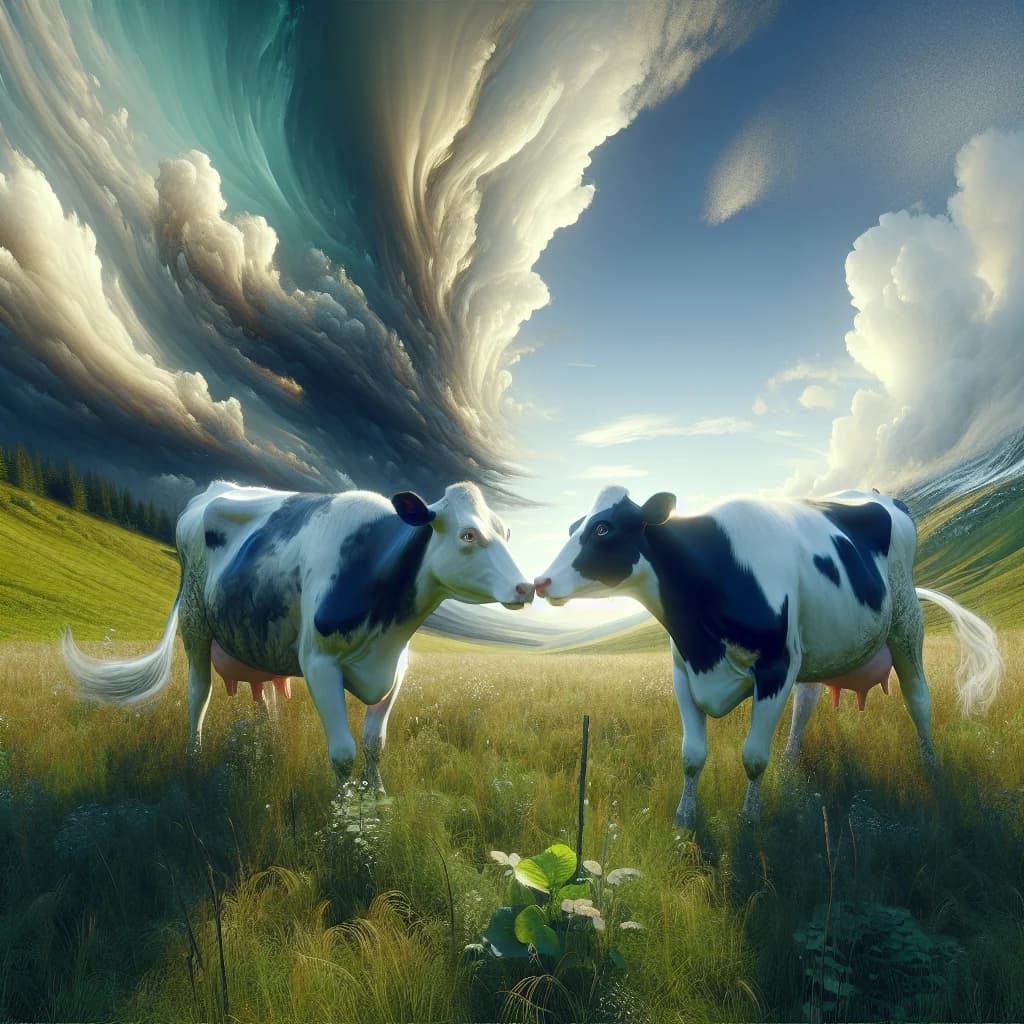
While the image of a cow grazing in a field may suggest a simple, solitary existence within a group, researchers have discovered that cattle possess a sophisticated social architecture. Far from being interchangeable members of a herd, domestic cows are highly sentient individuals capable of forming complex social hierarchies and, most notably, long-term "best friendships." These bonds are not merely casual associations; they are vital components of bovine health and emotional stability. Understanding why do domestic cows form deep individual friendships and experience significant stress when separated from their best friends is essential for improving animal welfare and modern husbandry practices. This blog post explores the evolutionary biology and physiological mechanisms that drive these deep connections and the measurable impact social isolation has on their well-being.
The Evolutionary Roots of Bovine Sociality
Domestic cows (Bos taurus) are descendants of the aurochs, a wild bovine species that relied on herd cohesion for survival against predators. In an evolutionary context, being part of a group provided "safety in numbers," but it also necessitated the development of complex communication and recognition skills.
To maintain order within a herd, cows evolved the ability to recognize at least 50 to 70 individual herd members. This recognition is not just about identifying a peer; it involves understanding social status and previous interactions. Over time, this evolved into "preferential associations," where individuals choose to spend the majority of their time with specific partners. These "best friends" provide a sense of security and reduce the cognitive load of navigating a large group's social hierarchy.
The Science of "Best Friends" and Affiliative Behavior
In animal science, the term for these friendships is "affiliative behavior." Research led by Dr. Krista McLennan of Northampton University has provided empirical evidence for these bonds. Her studies demonstrated that cows are significantly more relaxed when they are with a preferred social partner compared to being with a random individual or being isolated.
Key Indicators of Bovine Friendship:
- Social Grooming (Allogrooming): Cows use their tongues to lick the neck and head area of their friends. This behavior releases oxytocin, a hormone associated with bonding and stress reduction.
- Proximity Grazing: Preferred partners consistently choose to graze and rest within close physical proximity, often touching or leaning against one another.
- Synchronized Behavior: Friends are more likely to synchronize their activities, such as lying down to ruminate or walking to water at the same time.
Why Separation Causes Significant Stress
When a cow is separated from her preferred partner, she undergoes a measurable physiological stress response. This is not merely "loneliness" in a human sense, but a biological reaction to the loss of a primary social support mechanism.
The Physiological Impact
In clinical studies, cows separated from their best friends exhibited:
- Increased Heart Rates: Heart rates spike significantly when a cow is isolated or placed with strangers, but remain low and steady when paired with a "best friend."
- Elevated Cortisol Levels: Cortisol, the primary stress hormone, rises during separation. Prolonged elevation can suppress the immune system and lead to secondary health issues.
- Vocalizations and Agitation: Separated cows often pace the perimeter of their enclosures and emit frequent, high-pitched vocalizations in an attempt to re-establish contact.
Implications for Welfare and Husbandry
Understanding the depth of these bonds has shifted the perspective of many animal behaviorists and veterinarians. Modern animal science suggests that maintaining stable social groups is as important as nutrition and medical care.
- Group Housing: In dairy and agricultural settings, keeping "bonded pairs" together during transitions (such as moving to new pastures or pens) can maintain milk production and growth rates, as stressed cows often eat less and produce less.
- Reduced Aggression: When cows have their preferred partners nearby, general herd aggression and competition for resources often decrease, leading to a more harmonious environment.
- Mental Stimulation: Social interaction serves as a form of natural enrichment, keeping the animals cognitively engaged and physically active.
Conclusion
The discovery that domestic cows form deep individual friendships and experience significant stress when separated from their best friends highlights the intricate emotional lives of these animals. These bonds are rooted in evolutionary survival and are maintained through complex physiological processes involving oxytocin and cortisol regulation. Recognizing that cattle are social beings with individual preferences is a hallmark of responsible animal care. By prioritizing social stability and minimizing unnecessary separations, we can significantly enhance the welfare of domestic cows. Whether you are a producer, a veterinarian, or an animal lover, acknowledging the importance of bovine friendships is a vital step toward a more empathetic and science-based approach to animal husbandry.