Why do domestic cows have best friends and experience increased heart rates when they are separated from them
Beneath their calm exterior, cows form deep emotional bonds that can literally make their hearts race when they are separated from their favorite companions. Discover the fascinating science behind bovine "besties" and what it reveals about the secret emotional lives of these gentle giants.

Too Long; Didn't Read
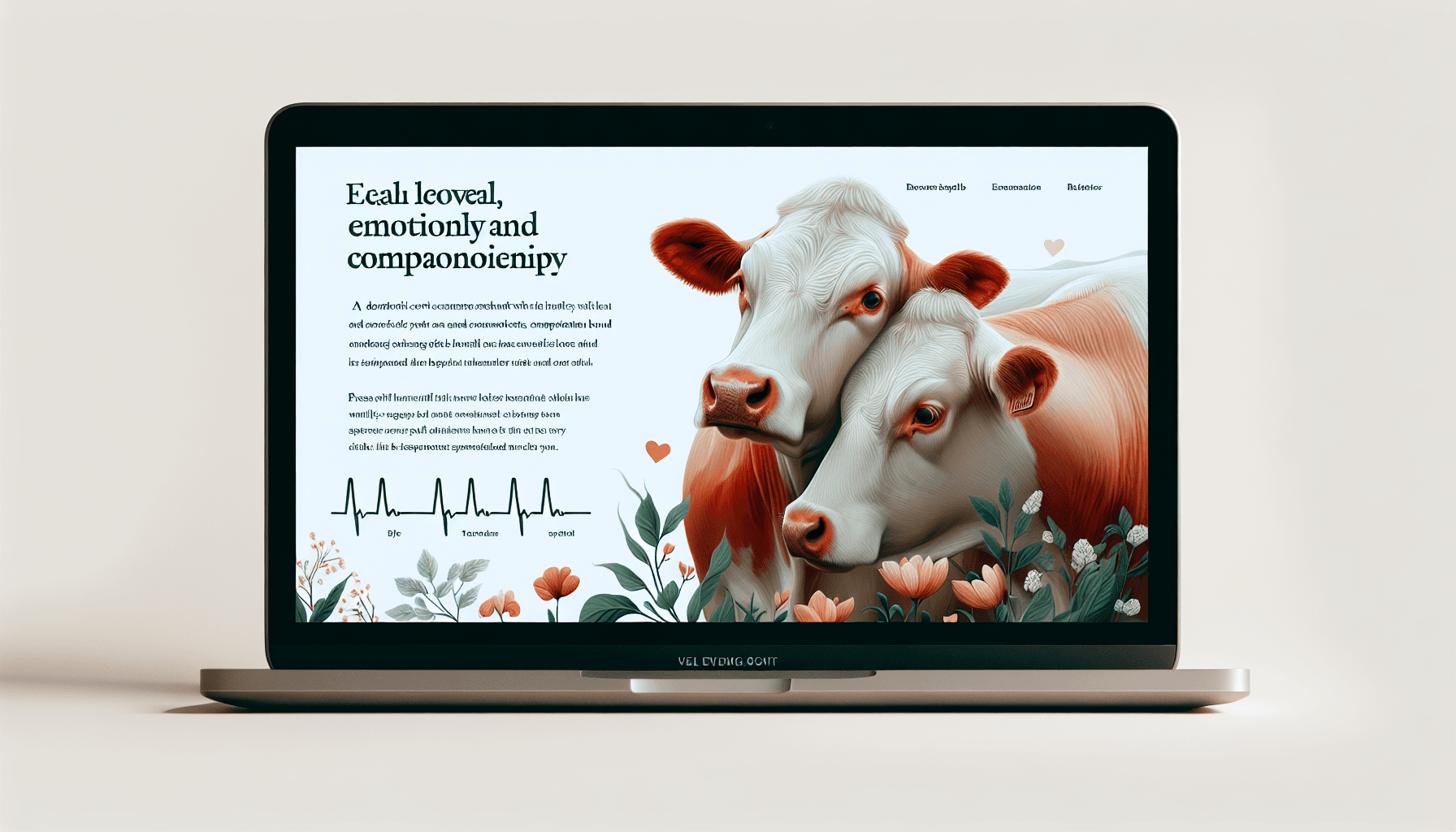
Domestic cows are highly social animals that form deep emotional bonds with specific companions to reduce stress and improve their well-being. When separated from these preferred partners, they experience significant physiological distress, evidenced by increased heart rates, because these close social connections provide a vital sense of security and comfort.
Understanding Bovine Bonds: Why Do Domestic Cows Have Best Friends and Experience Increased Heart Rates When They Are Separated From Them?
For centuries, domestic cows (Bos taurus) have been viewed primarily through the lens of agriculture—valued for their milk, meat, and labor. However, recent advancements in animal behavior science have revealed a far more complex internal world than previously imagined. Cows are not merely gregarious herd animals; they are capable of forming deep, individual social bonds that mirror the friendships seen in primates and humans. Research has demonstrated that these animals possess "best friends," and the physiological impact of being separated from these companions is measurable and significant. This blog post explores the evolutionary biology and psychological drivers behind these bovine bonds, specifically addressing why do domestic cows have best friends and experience increased heart rates when they are separated from them.
The Science of Social Buffering and "Best Friends"
In the field of ethology, the concept of "best friends" in cattle is defined as a "preferred social partner." Studies conducted by researchers such as Krista McLennan at the University of Northampton have provided empirical evidence for these relationships. When cows are allowed to choose their companions within a herd, they consistently spend more time with specific individuals.
This preference is not merely a matter of proximity; it is a biological mechanism known as "social buffering." Social buffering occurs when the presence of a familiar companion reduces the physiological and behavioral impact of a stressful event. In cattle, this manifests as lower cortisol levels and a more stable temperament when a preferred partner is present. When these pairs are separated, the "buffering" effect is lost, leading to acute physiological distress.
The Physiological Response to Separation
The most striking evidence of bovine friendship is found in their cardiovascular data. Veterinary researchers have monitored the heart rates of cows in three distinct scenarios: when they are alone, with a random herd mate, and with their preferred partner.
- Heart Rate Stabilization: When cows are penned with their "best friend," their heart rates remain significantly lower and more stable, even when subjected to mild stressors.
- The Separation Spike: When separated from their preferred partner and placed with a stranger or left alone, cows experience a sharp increase in heart rate. This indicates a state of high arousal and psychological stress.
- Recovery Time: Cattle reunited with their preferred partners return to a resting heart rate much faster than those reintroduced to the general herd without their specific companion.
Evolutionary Roots of Bovine Sociality
To understand why these bonds exist, we must look at the history of cattle. Domestic cows are descendants of the aurochs, a wild bovine that relied on herd dynamics for survival. In a wild setting, social cohesion was a vital defense mechanism against predators.
Living in a stable social group allows for "social learning," where younger individuals learn where to find water and which plants are safe to eat by following experienced herd members. Strong individual bonds within the larger herd ensure that the group stays together during migration or under threat. Evolutionarily, a cow that is isolated is a cow that is vulnerable; therefore, the brain has evolved to trigger a stress response—including an increased heart rate—to motivate the animal to seek out its social group.
Allogrooming: The Language of Friendship
Cows maintain these vital bonds through a behavior known as allogrooming, or social licking. This is the bovine equivalent of a handshake or a hug. Factual observations show that:
- Cows primarily groom their preferred partners around the head and neck.
- Allogrooming reduces the heart rate of both the giver and the receiver.
- This behavior releases oxytocin, a hormone associated with bonding and stress reduction.
Implications for Animal Welfare and Husbandry
Understanding the depth of bovine friendships has significant implications for modern animal husbandry. Recognizing that cows experience measurable stress when separated from their companions allows for more humane management practices.
- Group Housing: Veterinary consensus suggests housing cows in stable social groups rather than frequently moving individuals between pens.
- Minimized Regrouping: Frequent regrouping disrupts social hierarchies and severs friendships, leading to decreased milk production and suppressed immune systems due to chronic stress.
- Transport Considerations: When moving animals, keeping bonded pairs together can significantly reduce the physiological toll of the journey.
Conclusion
The discovery that domestic cows have best friends and experience increased heart rates when they are separated from them has transformed our understanding of livestock psychology. These bonds are not mere anthropomorphic observations; they are documented physiological realities rooted in evolutionary survival and complex social structures. By acknowledging the importance of these relationships, we can improve animal welfare and develop more empathetic, evidence-based approaches to cattle care. Whether you are a producer, a veterinary professional, or an animal lover, recognizing the social needs of cattle is a crucial step in respecting the sophisticated nature of these sentient beings. Understanding the bovine heart, both literally and figuratively, is essential for responsible stewardship in the modern age.