Why do domestic silkie chickens possess fluffy hair-like feathers, black skin, and five toes instead of four
From their cloud-like "fur" to their mysterious obsidian skin, Silkie chickens are nature’s most charming biological oddities. Uncover the fascinating genetic secrets behind the bird that looks more like a mythical creature than a common farmyard inhabitant.

Too Long; Didn't Read
Silkie chickens owe their unique appearance to specific genetic mutations. Their signature fluff is caused by a lack of barbicels, the hooks that normally zip feathers together. Their black skin and bones result from fibromelanosis, a condition that causes an overproduction of pigment, while their fifth toe is the result of a genetic trait known as polydactyly. These features have been preserved over centuries through selective breeding.
Understanding the Unique Biology of the Silkie: Why Do Domestic Silkie Chickens Possess Fluffy Hair-Like Feathers, Black Skin, and Five Toes Instead of Four?
At first glance, the Silkie chicken appears more like a plush toy or a Victorian powder puff than a standard farm bird. With plumage that feels like silk and a temperament as gentle as their appearance suggests, these birds have captivated poultry enthusiasts for centuries. First documented by Marco Polo during his travels in the 13th century, Silkies were described as "furry chickens," a testament to their long history as a distinct ornamental breed. However, their charm is not merely aesthetic; it is rooted in fascinating genetic mutations that set them apart from almost every other poultry breed. Understanding the biological origins of their fluffy feathers, dark skin, and extra digits is essential for providing proper husbandry and appreciating the complexity of avian genetics. This post explores the science behind the Silkie’s most iconic physical traits.
The Genetic Mutation Behind the "Fluff"
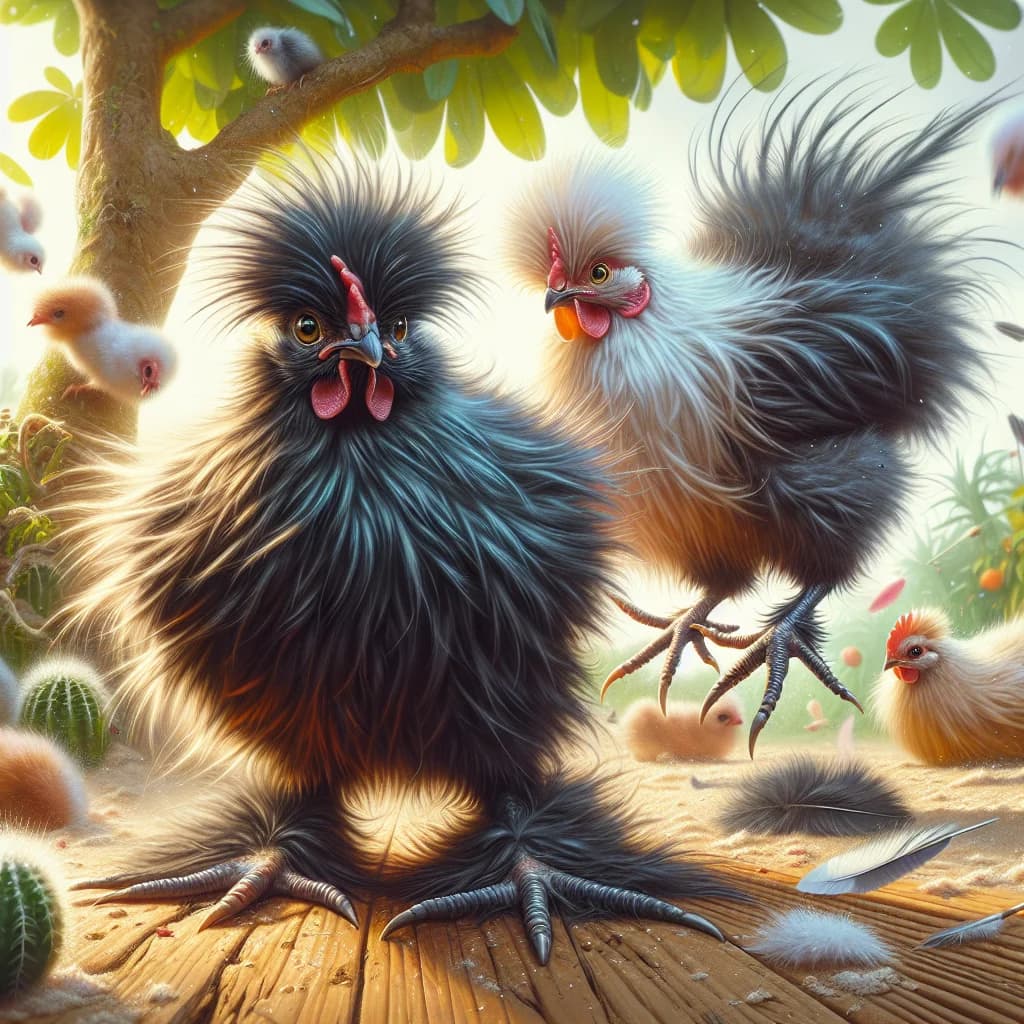
The most striking feature of the Silkie is its hair-like plumage. In standard chicken breeds, feathers possess a central shaft with branching barbs. These barbs have microscopic hooks called barbicels (or hamuli) that lock together, creating a flat, sturdy, and waterproof surface. This structure is what allows most birds to fly and stay dry.
In Silkies, a recessive gene prevents these barbicels from forming. Because the barbs cannot "zip" together, the feathers remain loose, soft, and downy, resembling fur or hair. While this makes them incredibly soft to the touch, it comes with biological trade-offs:
- Lack of Flight: Without a rigid wing surface, Silkies are unable to fly.
- Poor Insulation and Waterproofing: Their feathers do not repel water. A wet Silkie can become chilled very quickly, meaning keepers must provide dry, draft-free housing.
- Increased Vulnerability: Because they cannot fly to escape predators, Silkies require secure enclosures.
Fibromelanosis: The Secret to Black Skin and Bones
Unlike the pink or yellow skin seen in common breeds like the Leghorn or Rhode Island Red, the Silkie possesses deep bluish-black skin. This condition, known as fibromelanosis, is the result of a rare genetic mutation characterized by the hyper-expansion of pigment cells.
This pigmentation is not limited to the skin; it extends to the bird’s connective tissues, muscles, and even their bones. This trait is caused by a rearrangement in the chicken genome that increases the expression of the EDN3 gene, which governs the proliferation of pigment-producing melanoblasts. Historically, this "black-boned" trait made Silkies highly prized in Traditional Chinese Medicine and gourmet Asian cuisine, where they are believed to offer specific nutritional benefits. In the West, this trait remains one of the primary defining characteristics required by breed standards.
Polydactyly: The Extra Toe
Most chicken breeds possess four toes on each foot—three facing forward and one (the hallux) facing backward. Silkies, however, are polydactyl, meaning they possess five (and occasionally six) toes. This fifth toe grows above the hind toe and curves upward.
Polydactyly in chickens is an autosomal dominant trait. While it does not generally hinder the bird's mobility, it does require specific attention from the owner:
- Grooming: The extra toe can sometimes have a curved nail that does not wear down naturally, requiring regular trimming.
- Injury Prevention: Because of the unusual angle of the fifth toe, it can occasionally get snagged on wire flooring or thick brush.
- Breed Standards: For those showing Silkies, the separation and distinctness of the fourth and fifth toes are critical markers of the bird’s quality.
Conclusion
The domestic Silkie is a marvel of selective breeding and natural mutation. Their hair-like feathers, striking black skin, and additional toes are not just cosmetic "quirks" but the result of specific genetic pathways—namely the lack of barbicels, the presence of fibromelanosis, and the expression of polydactyly. Recognizing these traits as biological realities rather than mere novelties is vital for responsible animal care. Because their unique feathers leave them vulnerable to the elements and their extra toes require occasional maintenance, the Silkie demands a higher level of attentive husbandry than more hardy, standard breeds. By understanding the "why" behind their appearance, poultry lovers can better ensure these ancient and gentle birds thrive in a domestic environment. For specific health concerns or breeding advice, always consult with a veterinarian specializing in avian medicine.