Why do humans experience cute aggression or the overwhelming urge to squeeze their adorable pets
Have you ever been so overwhelmed by a puppy's cuteness that you felt the sudden, strange urge to squeeze it? Discover the fascinating science behind "cute aggression" and why your brain balances extreme joy with a surprising dash of mock violence.

Too Long; Didn't Read
Cute aggression is a psychological mechanism used to regulate overwhelming positive emotions. When faced with something extremely adorable, the brain triggers mild aggressive urges to balance out the intensity and prevent emotional overload, ensuring we can still function and care for the subject of our affection.
The Science of Squeezing: Why Do Humans Experience Cute Aggression or the Overwhelming Urge to Squeeze Their Adorable Pets?
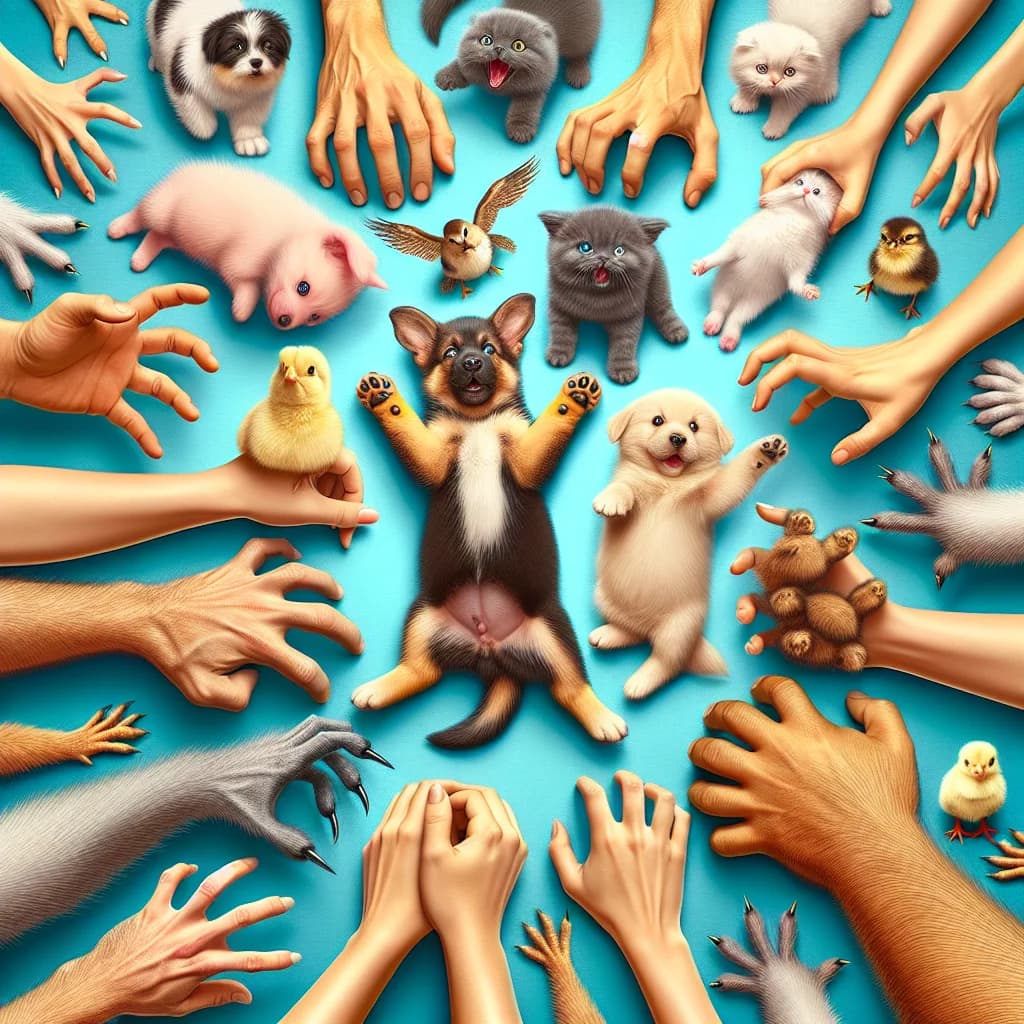
Have you ever looked at a fluffy kitten or a round-pawed puppy and felt an inexplicable urge to grit your teeth, clench your fists, or "squeeze" the animal? While this reaction seems contradictory—responding to something vulnerable with a pseudo-aggressive impulse—it is a well-documented psychological phenomenon known as "cute aggression." Far from being a sign of malice, this behavioral trait is deeply rooted in our neurological architecture and evolutionary history. Understanding why do humans experience cute aggression or the overwhelming urge to squeeze their adorable pets? provides fascinating insight into the human-animal bond and how our brains regulate intense emotions to ensure we remain capable caregivers. This post will explore the biological and psychological mechanisms that transform "too cute" into a physical impulse to squish.
Defining Cute Aggression: A Dimorphous Expression
In psychology, cute aggression is classified as a "dimorphous expression." This occurs when an individual experiences a strong emotion but expresses the opposite feeling. Common examples include crying during a moment of intense joy (like a wedding) or laughing during a period of extreme stress.
Research pioneered by Yale University psychologists in 2015 identified that when humans are overwhelmed by "Kindchenschema"—the set of physical features typical of human infants and small animals, such as large eyes, round faces, and soft textures—the brain’s reward system enters a state of overstimulation. Cute aggression acts as a biological "brake," helping the individual level out their emotional state so they are not incapacitated by the cuteness of the creature in front of them.
The Neurological Balancing Act
To understand the mechanics of this urge, we must look at the brain's reward and emotional systems. A landmark 2018 study published in Frontiers in Behavioral Neuroscience used electrophysiology to track brain activity in people experiencing cute aggression.
The Role of the Reward System
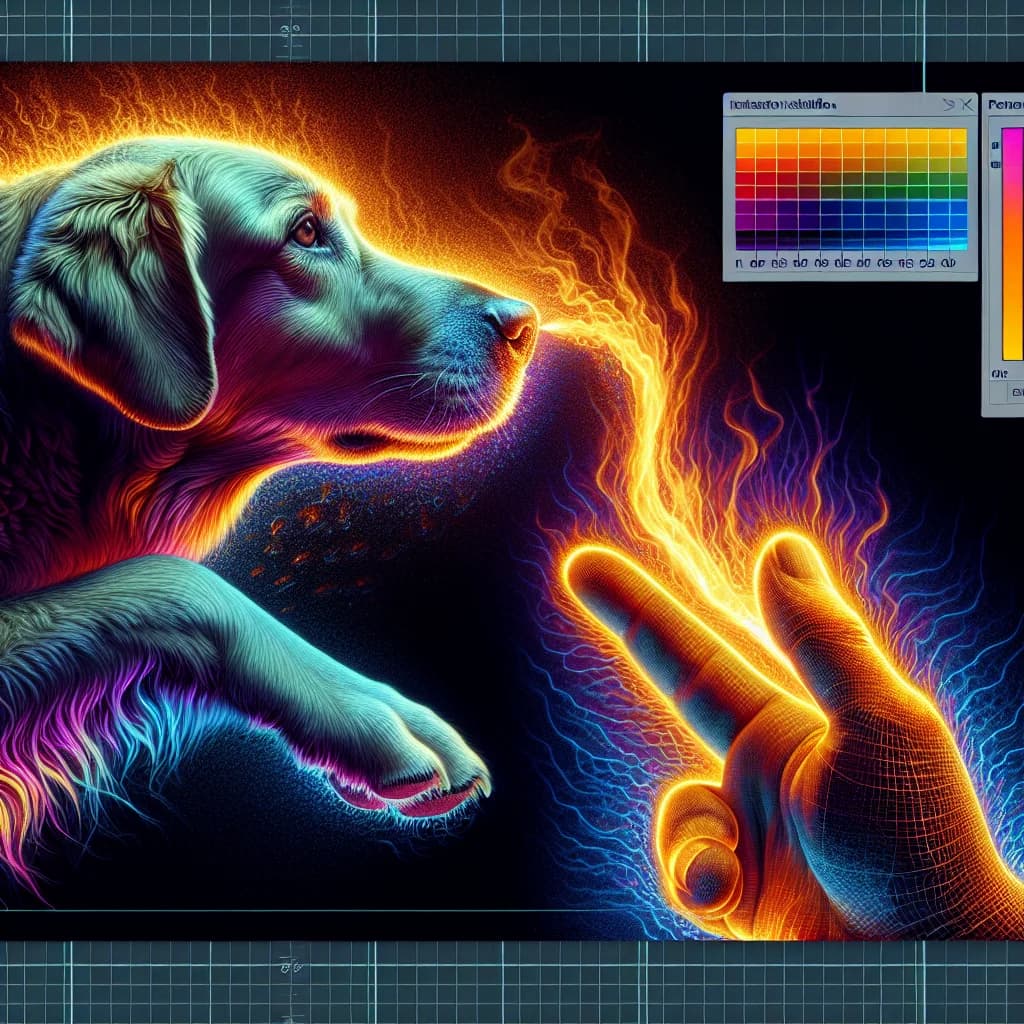
When we look at a "cute" animal, the brain's mesocorticolimbic system—the pathway responsible for processing rewards and feel-good chemicals like dopamine—is heavily activated. This is the same system triggered by food or other pleasurable stimuli. The study found that:
- The more "cute" a person finds an animal, the more activity is recorded in the brain's reward system.
- The feeling of being "overwhelmed" by cuteness correlates with a specific neurological spike in the emotional processing center.
Emotional Regulation
The "aggression" part of the response is the brain’s attempt to bring the emotional pendulum back to the center. If a human were completely overwhelmed by the "cuteness" of a pet, they might become so fixated on the feeling of affection that they fail to perform the actual duties of care, such as feeding or protecting the animal. By introducing a "pinch" of aggression, the brain modulates the intense positive emotion, allowing the person to regain control and function effectively as a caretaker.
Evolutionary Roots and the "Kindchenschema"
The urge to squeeze is not accidental; it is tied to our survival instincts. Ethologist Konrad Lorenz first described the "baby schema" (Kindchenschema) in the mid-20th century. He argued that certain physical traits—large heads, high foreheads, and large eyes—automatically trigger a caretaking response in humans.
- Survival Instinct: These traits signal vulnerability. In the wild or early human history, reacting quickly to these signals ensured the survival of offspring.
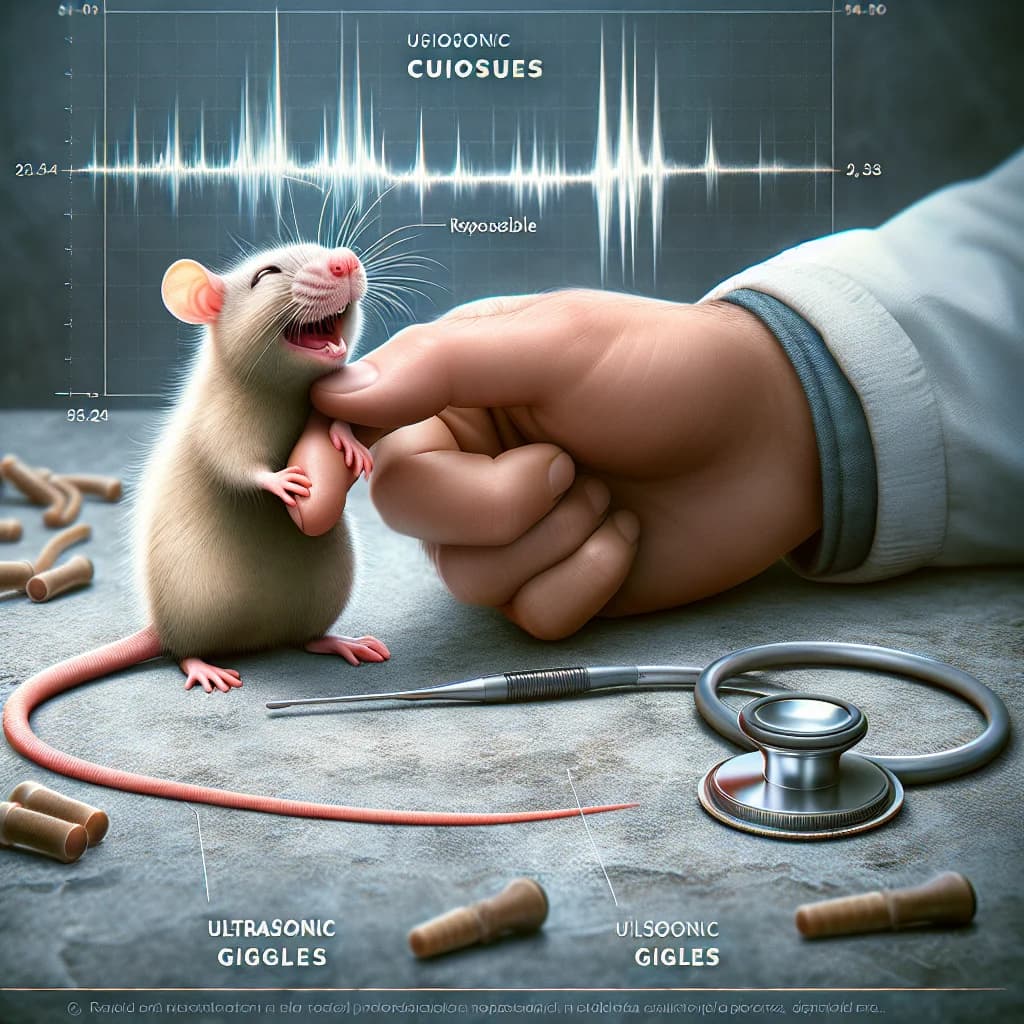
- The Squeeze Reflex: The physical manifestation of cute aggression—the urge to squeeze or pinch—may be an evolutionary vestige of the need to handle or secure a small, fragile being. While we aren't actually trying to hurt our pets, the brain prepares the muscles for a firm, protective grip.
Perspectives in Animal Behavior
From a veterinary and animal behavior perspective, cute aggression is viewed as a harmless human quirk, provided it remains internal or is expressed through gentle, safe contact. Behavioral scientists emphasize that while humans may feel the "aggression," the actual intent is purely prosocial and affectionate.
Key takeaways for pet owners include:
- Observation: Recognizing that this is a normal psychological response can reduce confusion for new pet owners.
- Appropriate Expression: It is important to translate the "urge to squeeze" into positive enrichment, such as gentle petting or play, rather than forceful handling that could stress the animal.
- Species Variation: Interestingly, research suggests humans experience this more strongly with animals that possess more "infant-like" features, such as brachycephalic (flat-faced) breeds or young kittens.
Conclusion
Understanding why do humans experience cute aggression or the overwhelming urge to squeeze their adorable pets? reveals the complex ways our brains manage intense affection. This phenomenon is a testament to the power of the human-animal bond, showcasing a neurological safety valve that prevents us from being cognitively paralyzed by the sight of a fluffy companion. By balancing our reward systems with a dimorphous aggressive impulse, our brains ensure we remain alert and capable of providing the care our pets require. As you enjoy the company of your pets, remember that your urge to "squish" them is simply your brain's unique way of coping with an abundance of love. Always prioritize your pet's comfort and consult with animal behaviorists if you have questions about healthy physical boundaries with your companions.