Why do many pet cats experience a frantic burst of energy called zoomies immediately after using the litter box
Ever wondered why your cat bolts out of the litter box like they’ve just won a high-speed car race? Discover the fascinating mix of primal survival instincts and pure physical euphoria behind the hilarious phenomenon known as "post-poop zoomies."

Too Long; Didn't Read
Cats get post-litter box zoomies due to vagus nerve stimulation known as poo-phoria, an instinctual urge to distance themselves from their scent to avoid predators, or simple relief after completing their business.
The Post-Potty Dash: Why Do Many Pet Cats Experience a Frantic Burst of Energy Called Zoomies Immediately After Using the Litter Box?
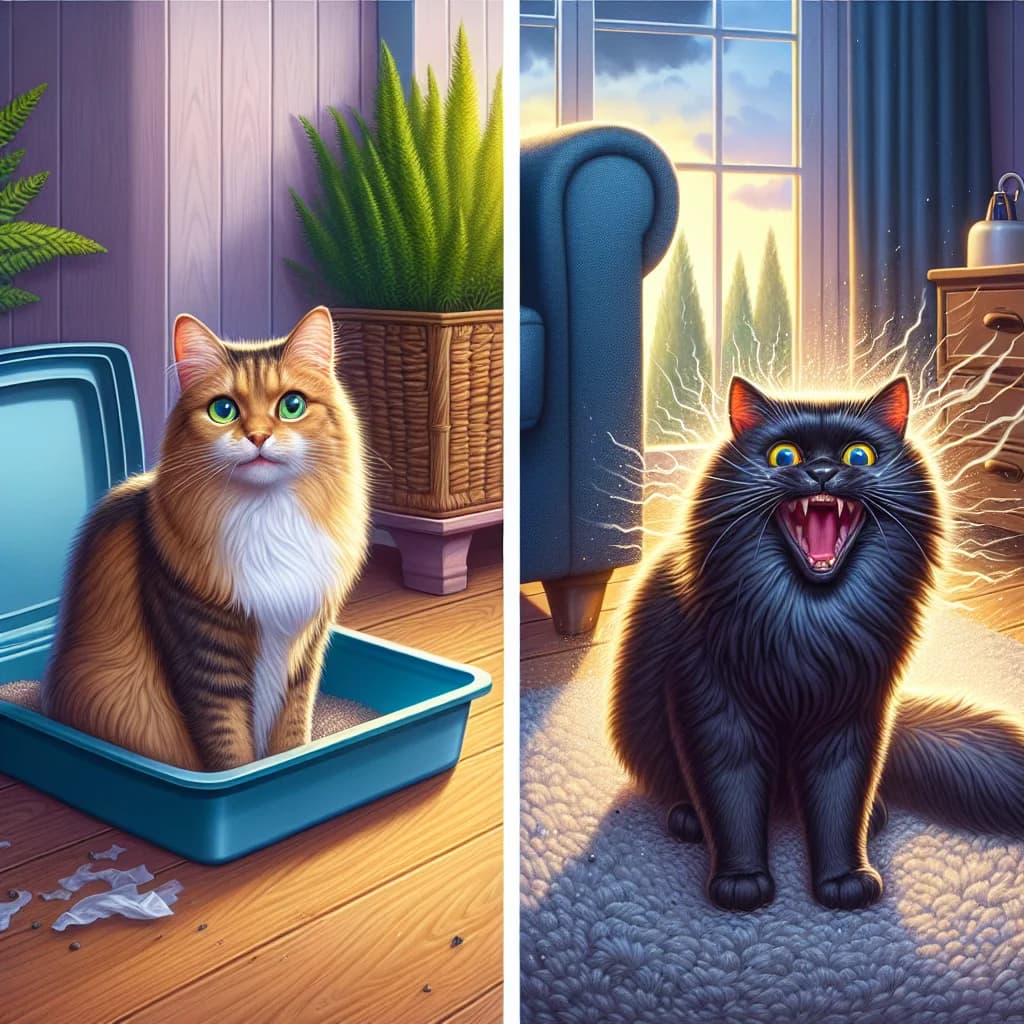
Every cat owner is familiar with the sudden, thunderous sound of paws racing across the floor immediately following a trip to the litter box. This behavior, colloquially known as the "zoomies," can seem baffling and even comical. However, in the world of animal behavior, these episodes are formally classified as Frenetic Random Activity Periods (FRAPs). While it may look like simple playfulness, the post-elimination dash is a fascinating intersection of feline biology, evolutionary history, and neurology. Understanding why many pet cats experience a frantic burst of energy called zoomies immediately after using the litter box is essential for owners who want to better interpret their pets' physical health and emotional well-being. This post explores the leading scientific theories behind this common feline phenomenon.
The Science of the Vagus Nerve: Understanding "Poo-phoria"
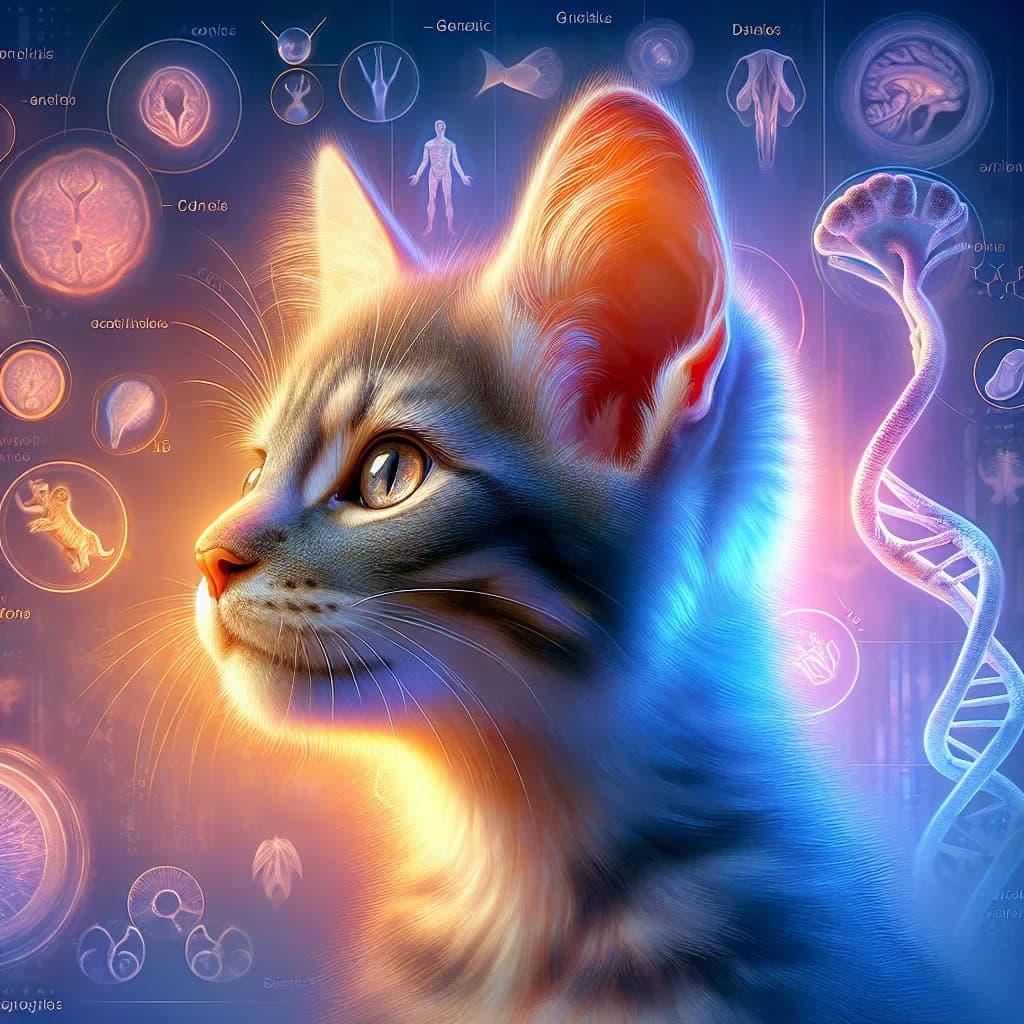
One of the most prominent biological explanations for post-elimination zoomies involves the vagus nerve. In mammals, the vagus nerve is a major component of the parasympathetic nervous system, running from the brainstem down to the abdomen. Research into feline physiology suggests that the passaging of a large stool can stimulate this nerve.
When the vagus nerve is stimulated, it can trigger a physiological response that involves a drop in blood pressure and heart rate, followed by a surge of "feel-good" neurotransmitters. In humans, this sensation is sometimes jokingly referred to as "poo-phoria," but in cats, the rush of endorphins can lead to a sudden, intense burst of exhilaration. This sudden high translates into the high-speed running, jumping, and wall-climbing behavior owners observe. It is essentially a physical manifestation of a neurological reward system.
Evolutionary Roots: Running from Predators
Beyond internal biology, evolutionary history plays a significant role in feline behavior. Despite being efficient hunters, cats are also prey animals in the wild. In a natural environment, the scent of waste is a distinct "signature" that can lead predators directly to a cat’s location.
The Survival Instinct
Historically, wild ancestors of the domestic cat (such as Felis lybica) would likely want to distance themselves from their waste as quickly as possible to avoid detection. By bolting away from the site of elimination, the cat puts physical distance between itself and the olfactory trail it has just left behind. While your indoor cat is safe from large predators, these deeply ingrained survival instincts remain part of their genetic makeup. The zoomies serve as a vestigial flight response, ensuring the animal is far away by the time a hypothetical predator arrives to investigate the scent.
A Sense of Relief and Cleanliness
There is also a simpler, more behavioral component to the zoomies: the feeling of being "lighter" and cleaner. Cats are notoriously fastidious animals. For some, the act of elimination—especially if it was a significant event—provides immediate physical relief.
Furthermore, many cats find the environment of the litter box to be "unclean" by nature, regardless of how often it is scooped. The frantic dash may be an attempt to shake off any loose litter particles or dust that may have clung to their paws or fur during the process. This "reset" allows the cat to transition from a vulnerable state back into their normal routine of grooming or patrolling their territory.
Distinguishing Natural Behavior from Medical Concerns
While most post-litter box zoomies are healthy expressions of energy or instinct, it is important for owners to monitor the context of the behavior. In some cases, a frantic exit can indicate discomfort rather than joy. If the zoomies are accompanied by the following signs, it may warrant a consultation with a veterinarian:
- Vocalizing: Intense meowing or howling while in the box or during the dash.
- Straining: Spending a long time in the box with little to show for it.
- Frequent Trips: Entering the box multiple times in a short window.
- Scooting: Dragging their hindquarters along the carpet after the dash.
These symptoms could point to medical issues such as Feline Lower Urinary Tract Disease (FLUTD), constipation, or impacted anal glands. When the act of elimination is painful, a cat may bolt out of the box in an attempt to "run away" from the stinging sensation.
Conclusion
Understanding why many pet cats experience a frantic burst of energy called zoomies immediately after using the litter box provides valuable insight into the complex nature of our feline companions. Whether it is a neurological response to the vagus nerve, a lingering survival instinct from their wild ancestors, or a simple desire for cleanliness, the post-potty dash is a multi-faceted behavior rooted in science. By observing these patterns, owners can celebrate their cats' quirky instincts while remaining vigilant for any changes that might indicate physical discomfort. Recognizing the difference between a "happy dash" and a "distress dash" is a hallmark of responsible pet ownership and ensures that your cat remains both healthy and enriched in their domestic environment.