Why do many pet cats have a primordial pouch of loose skin regardless of their body weight
Ever wonder why your fit feline has a jiggling belly flap that just won't quit? It’s not extra weight, but a fascinating evolutionary "superpower" known as the primordial pouch—and its secret purpose is more vital than you might think.

Too Long; Didn't Read
The primordial pouch is a natural flap of skin on a cat's belly that provides protection for vital organs during fights, allows for extra flexibility when jumping or running, and offers space for food storage. Inherited from wild ancestors, this feature is common across many breeds and occurs regardless of a cat's actual body weight.
Decoding the Feline Belly Flap: Why do many pet cats have a primordial pouch of loose skin regardless of their body weight?
If you have ever watched your cat sprint across the room or stretch out for a nap, you may have noticed a distinct flap of loose skin swaying beneath their belly. Many cat owners mistakenly assume this "belly flap" is a sign that their feline friend is overweight or has lost weight too quickly. However, this anatomical feature, known as the primordial pouch, is a perfectly normal part of feline biology. Even the most athletic and leanest cats often possess this characteristic. Understanding why do many pet cats have a primordial pouch of loose skin regardless of their body weight is essential for distinguishing between a healthy anatomical trait and clinical obesity, ensuring better welfare and health management for our feline companions. This post will explore the evolutionary origins, biological functions, and diagnostic markers of the primordial pouch.
Defining the Primordial Pouch: More Than Just Excess Skin
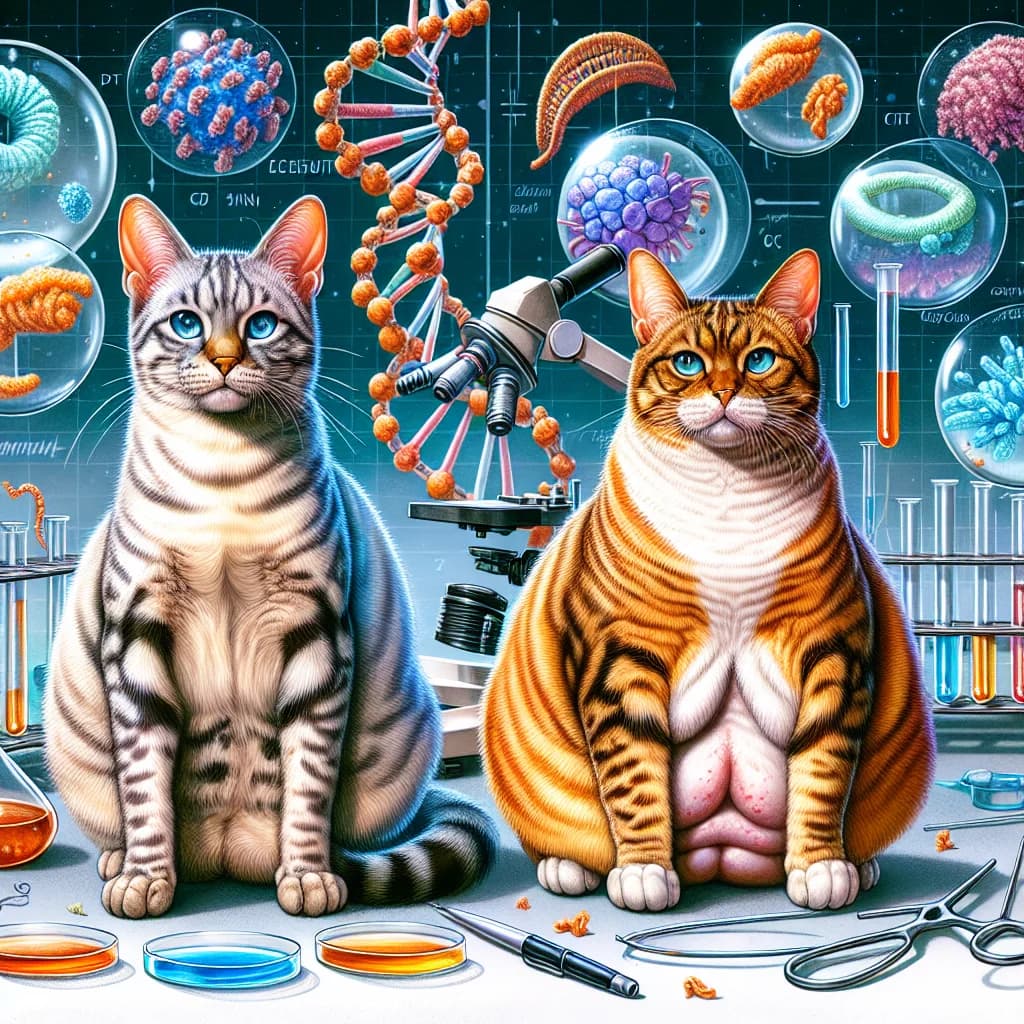
The primordial pouch is a layer of skin, fur, and a small amount of fatty tissue located along the underside of a cat’s abdomen, typically positioned just in front of the rear legs. While it is often more visible in certain breeds or older cats, it is a trait inherited from their wild ancestors.
Biologically, the pouch is not a result of a sedentary lifestyle or overfeeding. It is a complex anatomical structure that serves specific physiological needs. Unlike the fat deposits associated with obesity, which are firm and located around the waist and ribs, the primordial pouch is loose, pendulous, and moves independently as the cat walks or runs.
The Evolutionary Advantages of the Pouch
Evolutionary biologists and zooarchaeologists suggest that the primordial pouch developed as a survival mechanism in wild felids. Because domestic cats (Felis catus) share approximately 95.6% of their DNA with tigers, many of these ancestral traits remain present in our living room predators. There are three primary theories regarding the function of the pouch:
1. Protection During Combat
Cats are solitary hunters but can be highly territorial. When cats fight, they often use their powerful hind legs to perform "bunny kicks," aimed at the opponent's underbelly. The primordial pouch provides an extra layer of loose skin and tissue that protects vital internal organs from claws and teeth during these encounters.
2. Enhanced Range of Motion
Felines are masters of agility, capable of incredible leaps and high-speed sprinting. The loose skin of the primordial pouch allows a cat to fully extend its body. During a gallop, a cat’s spine flexes and expands significantly; the extra skin ensures that the body can stretch to its maximum length without being restricted by tight abdominal tissue.
3. Anatomical Space for Food Storage
In the wild, meals are not guaranteed. Wild cats are "gorge feeders," meaning they may consume a large amount of prey in one sitting to sustain themselves through lean times. The primordial pouch allows the stomach to expand comfortably, accommodating a large meal without putting undue pressure on the abdominal wall.
Distinguishing the Pouch from Feline Obesity
One of the most important aspects of feline husbandry is maintaining a healthy weight, as obesity leads to diabetes, joint pain, and a shortened lifespan. Because the primordial pouch can look like a "fat belly," owners must learn to differentiate the two:
- The Rib Test: In a cat at a healthy weight, you should be able to feel the ribs easily with a light touch, though they should not be protruding. If you cannot feel the ribs due to a thick layer of fat, the cat is likely overweight.
- The Waistline: When viewed from above, a healthy cat should have a visible "waist" or tuck behind the ribs. An obese cat will have a rounded, oval-shaped silhouette.
- The "Swing" Factor: The primordial pouch is located lower on the belly and sways freely when the cat moves. In contrast, abdominal fat caused by obesity is more stationary and starts higher up near the chest.
Breed Variations and Genetic Predisposition
While most cats have some degree of a pouch, it is more prominent in certain breeds. In fact, for breeds like the Egyptian Mau, the Bengal, and the Pixie-bob, the primordial pouch is actually a required trait in many breed standards. These breeds are noted for their wild appearance and athletic prowess, and the presence of the pouch is celebrated as a sign of their ancestral heritage.
Conclusion
Understanding why do many pet cats have a primordial pouch of loose skin regardless of their body weight allows owners to appreciate the remarkable evolutionary history of their pets. This flap of skin is not a physical flaw, but rather a functional tool designed for protection, flexibility, and survival. By recognizing the difference between this natural anatomical feature and excess weight, owners can better monitor their cat's body condition and provide appropriate care. Always consult with a veterinary professional during regular check-ups to assess your cat’s Body Condition Score (BCS). Recognizing the primordial pouch for what it is—a vestige of the wild—deepens our respect for the sophisticated biology of the domestic cat.