Why do many pet cats instinctively refuse to drink water placed directly next to their food bowl
Your cat isn't just being picky when they snub the water bowl next to their kibble; they’re actually following a deep-seated survival instinct that dates back to the wild. Discover the fascinating evolutionary reason why "dinner and drinks" don’t mix for felines and how this simple layout mistake could be affecting your pet’s health.

Too Long; Didn't Read
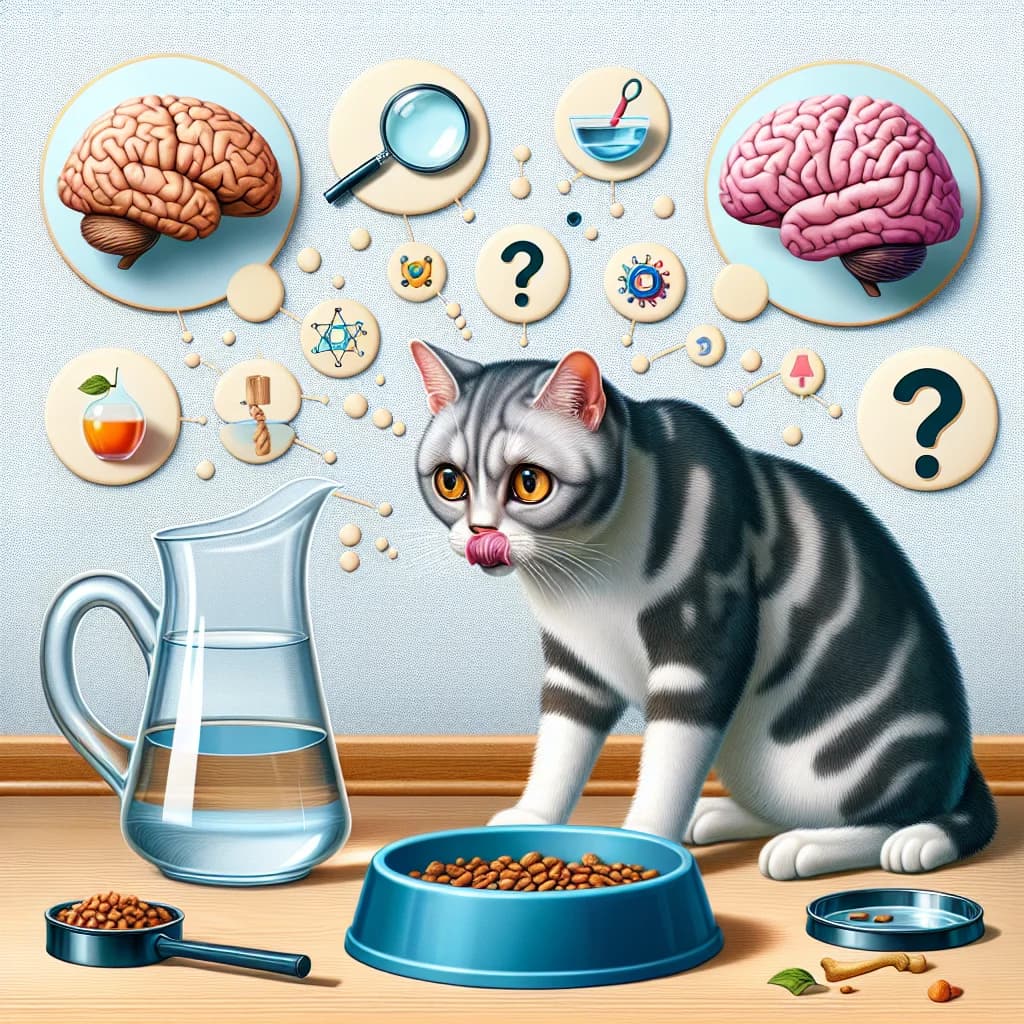
Cats instinctively avoid water placed near their food because their wild ancestors learned that proximity to a kill could contaminate water sources with bacteria. Separating food and water helps satisfy this evolutionary drive to seek clean, untainted hydration away from their eating area.
The Biology of Hydration: Why Do Many Pet Cats Instinctively Refuse to Drink Water Placed Directly Next to Their Food Bowl?
If you have ever noticed your cat ignoring a fresh bowl of water sitting right next to their kibble, only to find them later sipping from a dripping faucet or a glass on your nightstand, you are witnessing an ancient survival mechanism. While domestic cats have lived alongside humans for nearly 10,000 years, they remain biologically tethered to their wild ancestors. Understanding why many pet cats instinctively refuse to drink water placed directly next to their food bowl is essential for maintaining their long-term health and welfare. This behavior is not merely a "finicky" preference; it is a deeply ingrained evolutionary response designed to protect the animal from illness. This post will explore the biological, historical, and sensory reasons behind this common feline behavior to help owners create a more natural hydration environment for their companions.
The Evolutionary Instinct: Avoiding Cross-Contamination
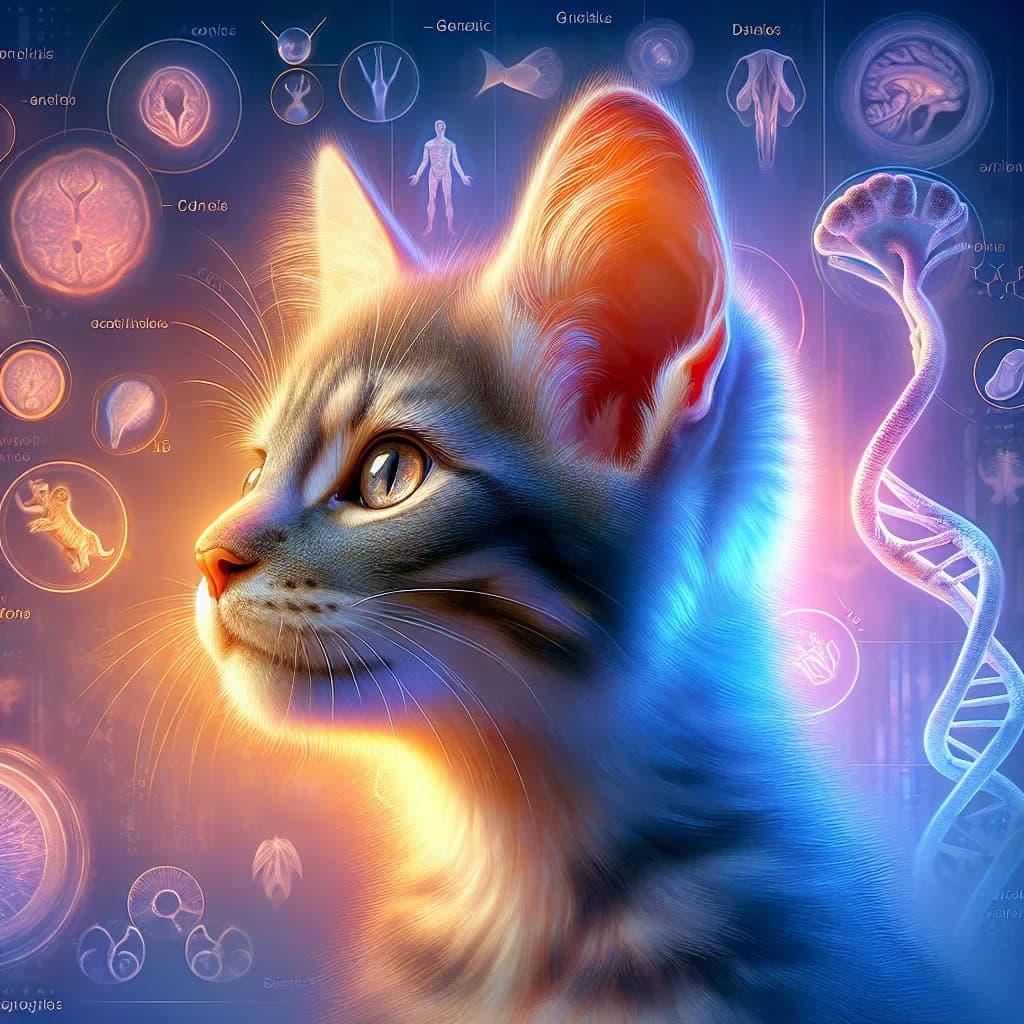
The primary reason cats avoid water near their food source traces back to the African wildcat (Felis lybica), the direct ancestor of the modern domestic cat. In the wild, cats are solitary hunters. When a cat kills its prey, the carcass can quickly become a breeding ground for bacteria and parasites. If a water source is located too close to a fresh kill, the water can easily become contaminated by blood, fur, or decaying organic matter.
Animal behaviorists categorize this as a "contamination avoidance" instinct. Wild cats learned through evolution that stagnant water near a food source is likely unsafe to drink. Even though your indoor cat’s "prey" consists of sterile kibble or canned pâté, the biological hard-wiring remains. By placing the water bowl in a separate location, you align with your cat’s natural drive to seek out clean, untainted water sources far from their feeding grounds.
Sensory Sensitivity and Whisker Fatigue
Beyond evolutionary history, the physical act of drinking is influenced by a cat's highly developed senses. Cats have an incredibly acute sense of smell—far superior to that of humans. When water is placed directly next to a food bowl, the scent of the food can permeate the water. For a species that relies on scent to determine the freshness and safety of what they consume, water that smells like protein or fats may be perceived as "off" or dirty.
Furthermore, cats often suffer from a condition known as "whisker fatigue." Feline whiskers (vibrissae) are sensory organs packed with proprioceptors. If a cat is forced to eat and drink from narrow bowls placed side-by-side, their whiskers may constantly brush against the sides of the bowls or the nearby wall. This overstimulation can be stressful.
- Tactile stress: Constant contact with bowl edges can lead to "whisker stress," causing the cat to avoid the station altogether.
- Visual limitations: Cats have a blind spot directly under their chin. If water is placed in a small bowl next to food, they may struggle to see the water’s surface, leading to a sense of vulnerability while drinking.
The Preference for Running Water
In the wild, still or stagnant water is often a sign of bacterial growth, whereas running water—such as a stream—is generally fresher and more oxygenated. Many cats that refuse to drink near their food are actually expressing a preference for moving water. This is why you may find your cat fascinated by the kitchen sink.
Veterinary studies suggest that providing a recirculating water fountain can significantly increase a cat’s daily fluid intake. Because cats have a low thirst drive (originating from their desert-dwelling ancestors who obtained most of their moisture from prey), making water attractive and biologically "trustworthy" is vital for preventing chronic kidney disease and urinary tract issues.
Practical Guidelines for Better Hydration
To support your cat’s natural instincts and ensure they stay hydrated, consider the following evidence-based adjustments to their environment:
- The 3-Foot Rule: Try to place water bowls at least three to five feet away from the feeding station.
- Multiple Stations: Provide water in various locations throughout the home. This reduces the "resource guarding" stress in multi-cat households and encourages frequent sipping.
- Vessel Choice: Use wide, shallow bowls made of stainless steel, glass, or ceramic. Plastic bowls are porous and can trap bacteria and odors that discourage drinking.
- Freshness Protocol: Change the water at least once daily. Even if it looks clean, dust and hair collect on the surface, which a cat's sensitive nose will detect immediately.
Conclusion
Understanding the evolutionary and sensory reasons behind why many pet cats instinctively refuse to drink water placed directly next to their food bowl allows owners to better cater to their feline’s biological needs. By acknowledging their "wild" roots and respecting their instinctual fear of contamination, we can reduce environmental stress and promote better hydration. Proper water placement is more than a convenience; it is a fundamental aspect of feline husbandry that supports kidney health and overall longevity. If you find your cat is still reluctant to drink even after moving their bowl, or if you notice a sudden change in their thirst levels, always consult with a veterinary professional to rule out underlying medical conditions.