Why do many pet geckos lick their own eyeballs to clean them instead of blinking
Imagine cleaning your eyes with your tongue because you physically lack the ability to blink. Uncover the wild evolutionary secret behind why many geckos trade eyelids for one of the most unique—and slightly bizarre—grooming habits in the reptile world.

Too Long; Didn't Read
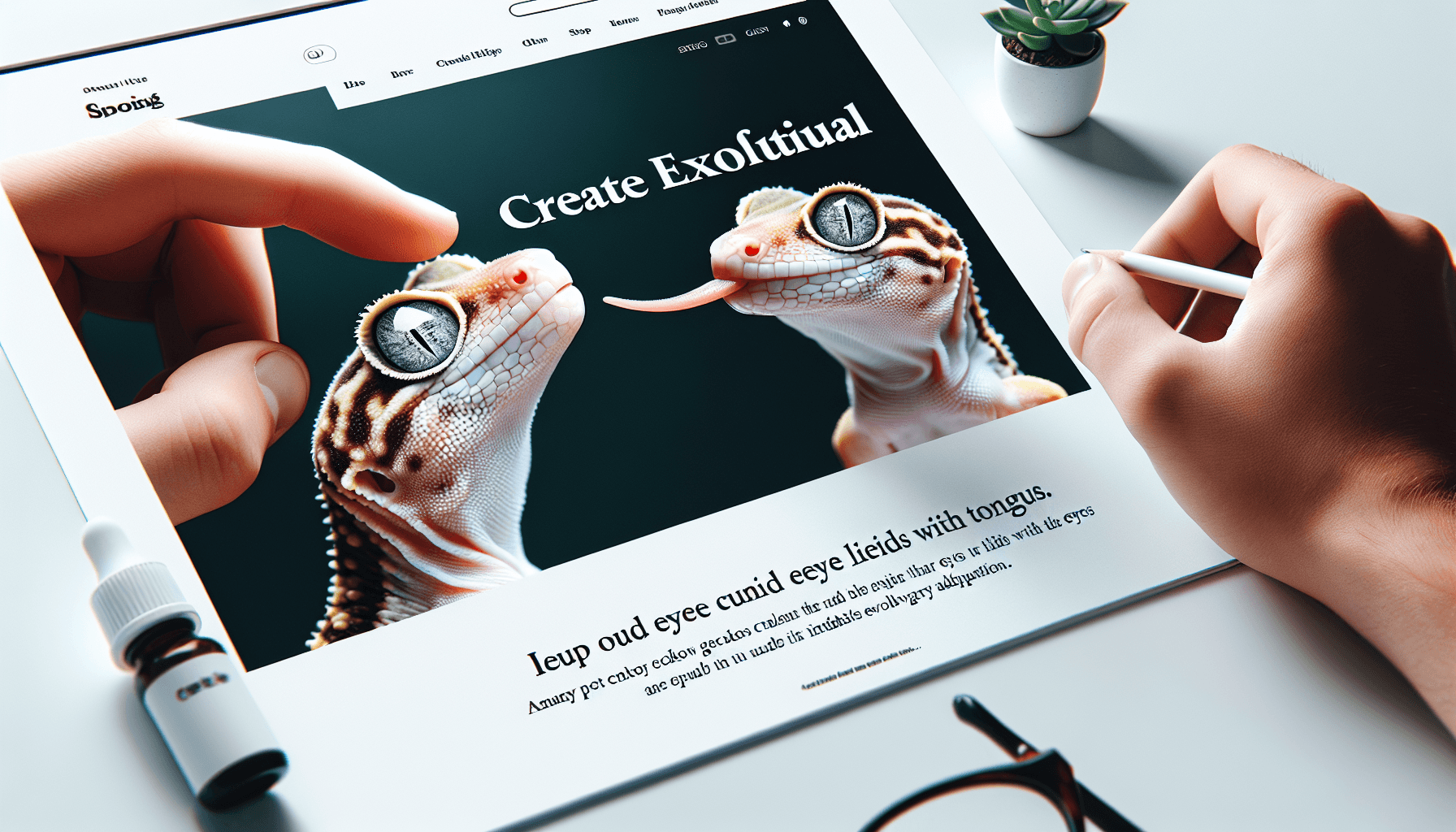
Most pet geckos lack moveable eyelids and cannot blink. Instead, they use their long tongues like windshield wipers to clear away dust, debris, and moisture from the transparent scales that protect their eyes.
Clear Vision: Why Do Many Pet Geckos Lick Their Own Eyeballs to Clean Them Instead of Blinking?
Imagine a creature that navigates the world without ever closing its eyes. For many species of geckos, this is a daily reality. One of the most captivating—and perhaps slightly jarring—sights for a new reptile keeper is watching their pet extend a long, fleshy tongue to sweep across the surface of its own eye. While it looks like a quirky personality trait, this behavior is a sophisticated biological necessity. Most gecko species lack the moveable eyelids that humans and other mammals use to protect and moisten their eyes. This blog post explores the anatomical reasons behind this behavior, the evolutionary advantages of the "spectacle" eye, and why do many pet geckos lick their own eyeballs to clean them instead of blinking.
The Anatomy of the Gecko Eye: The Spectacle
To understand why a gecko licks its eye, one must first understand what they are looking at. Most geckos belong to a group of reptiles that possess a "spectacle," also known as a brille or ocular scale. This is a transparent, immovable disc of skin that covers the eye.
The spectacle is essentially a fused, transparent eyelid that provides a permanent layer of protection. Because this scale is fixed in place, these geckos physically cannot blink. The spectacle acts as a shield against physical abrasions, which is particularly useful for species that move through dense underbrush or sandy environments. However, because this shield is exposed to the elements, it collects dust, pollen, and substrate debris, and it can become dry without the internal lubrication provided by a blinking eyelid.
The Biological Necessity of the Tongue Swish
Since geckos with spectacles cannot blink to spread tears or clear away irritants, they have evolved a behavioral workaround: using their tongue. This serves two primary biological functions:
1. Moisture Regulation
In the wild, maintaining the transparency of the spectacle is vital for survival. A dry spectacle can become cloudy, obscuring the gecko's vision and making it vulnerable to predators or unable to hunt prey. By licking the eye, the gecko applies a layer of saliva and moisture, ensuring the scale remains clear and supple.
2. Debris Removal
Geckos are often active in environments where fine particles can settle on the eye. Without the "windshield wiper" action of an eyelid, these particles would remain on the spectacle. The broad, often spatula-shaped tongue of a gecko is perfectly designed to gently lift and remove these irritants without damaging the underlying tissue.
The Eyelid Exception: Not All Geckos are Alike
It is a common misconception that all geckos lack eyelids. In the world of herpetology, the family Eublepharidae stands apart. This family includes popular pets like the Leopard Gecko (Eublepharis macularius) and the African Fat-Tailed Gecko (Hemitheconyx caudicinctus).
Unlike their cousins, the Crested Gecko or the Tokay Gecko, eublepharid geckos possess fully functional, moveable eyelids. They blink to clear their eyes and sleep with their eyes closed. Consequently, you will rarely, if ever, see a Leopard Gecko lick its eyeball. If a gecko with eyelids is frequently licking its eyes, it is often a sign of a medical issue, such as an infection or a vitamin A deficiency, rather than a natural cleaning ritual.
Practical Implications for Pet Care
Understanding this unique anatomy is crucial for responsible husbandry. For "spectacled" geckos, such as Crested Geckos or Day Geckos, eye health is directly linked to environmental humidity.
- Humidity Cycles: Proper humidity levels allow the spectacle to stay hydrated. If the air is too dry, the spectacle can become "dented" or dehydrated.
- The Shedding Process: Like the rest of their skin, the spectacle is shed periodically. This is known as the "eye cap." If the gecko is dehydrated, the eye cap may fail to shed (a condition called dysecdysis), which can lead to infection or permanent vision loss.
- Observation: Keepers should look for clear, bright eyes. If the spectacle appears opaque, wrinkled, or has retained shed around the edges, a consultation with an exotics veterinarian is necessary.
Conclusion
The sight of a gecko cleaning its eye with its tongue is a remarkable example of evolutionary adaptation. By replacing moveable eyelids with a protective spectacle, these reptiles gained a permanent shield for their sensitive eyes, developing a unique grooming behavior to maintain it. Understanding why do many pet geckos lick their own eyeballs to clean them instead of blinking allows keepers to better appreciate the complex biology of their pets. Recognizing the difference between species with spectacles and those with eyelids is fundamental to providing high-quality care. By maintaining proper humidity and monitoring for clear spectacles, you can ensure your gecko continues to see the world with perfect clarity.