Why do pet axolotls remain in their aquatic larval stage their entire lives instead of transforming into land-dwelling salamanders
While most amphibians eventually trade their gills for lungs, the axolotl is a biological rebel that chooses to stay a "permanent teenager" forever. Discover the fascinating evolutionary glitch that allows these smiling aquatic wonders to cheat time and skip their transformation to land.

Too Long; Didn't Read
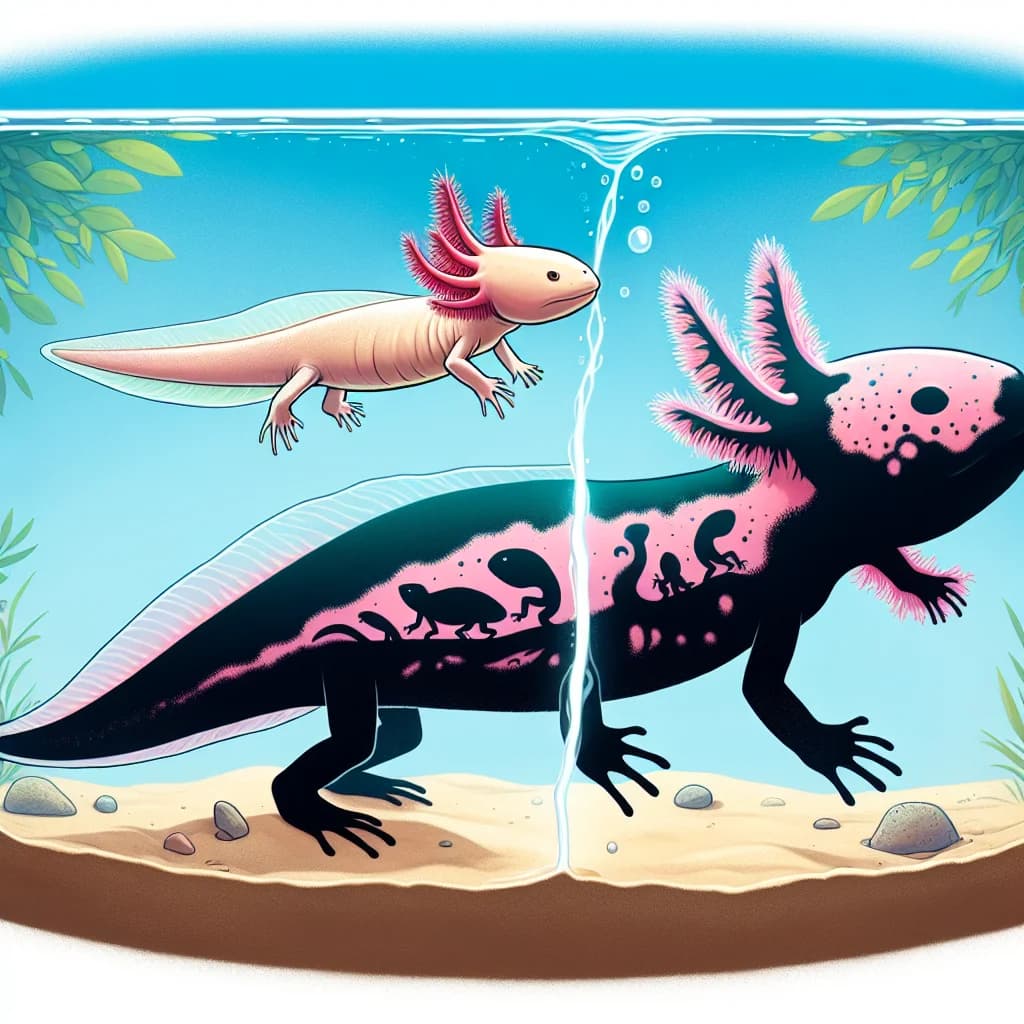
Axolotls remain in their larval stage due to a condition called neoteny. Unlike most salamanders, they lack the necessary thyroid-stimulating hormones to trigger metamorphosis, allowing them to reach sexual maturity and live their entire lives underwater with gills and fins.
Forever Young: Why Do Pet Axolotls Remain in Their Aquatic Larval Stage Their Entire Lives Instead of Transforming Into Land-Dwelling Salamanders?
The axolotl (Ambystoma mexicanum) is often called the "Peter Pan" of the animal kingdom. While most amphibians—such as frogs, toads, and other salamanders—undergo a dramatic metamorphosis to transition from water-dwelling larvae to land-dwelling adults, the axolotl takes a different path. These charismatic creatures reach sexual maturity while retaining their feathery external gills, finned tails, and entirely aquatic lifestyle. This fascinating biological phenomenon is not a "glitch" in their system; rather, it is a highly specialized evolutionary trait that has captivated scientists and pet owners alike. Understanding why do pet axolotls remain in their aquatic larval stage their entire lives instead of transforming into land-dwelling salamanders is essential for providing them with proper care and appreciating their unique place in the natural world. This post explores the hormonal, genetic, and environmental factors behind this lifelong "youth."
The Science of Neoteny: Defining the "Peter Pan" Effect
In biology, the retention of juvenile traits into adulthood is known as neoteny or paedomorphosis. For the axolotl, this means that even though they grow in size and become capable of reproduction, they never undergo the physiological changes associated with typical amphibian metamorphosis, such as the loss of gills or the development of eyelids and sturdy limbs for terrestrial travel.
While most salamanders belong to species that eventually climb out of the water, the axolotl has evolved to bypass this stage. This is a permanent genetic trait. In a laboratory setting, scientists have discovered that axolotls can be forced to metamorphose through the administration of specific hormones, but this is extremely stressful for the animal and significantly shortens its lifespan. In the wild and in home aquaria, they naturally remain in their larval form.
The Thyroid Connection: Why the Metamorphosis Trigger Fails
The primary reason axolotls do not transform lies in their endocrine system. In typical amphibians, the thyroid gland receives a signal from the pituitary gland to release thyroxine ($T_4$). This hormone acts as a biological "master switch" that triggers the absorption of gills, the development of lungs, and the restructuring of the skin and skeleton.
Research into axolotl biology has revealed two key factors regarding this process:
- Low Hormone Production: Axolotls have thyroid glands, but they do not produce sufficient amounts of thyroxine to initiate the transformation.
- Lack of Tissue Response: Their tissues are often less sensitive to the hormones that would otherwise signal the body to change.
Because the surge of thyroxine never occurs, the axolotl remains "locked" in its larval state. This biological quirk is a result of their specific evolutionary history in the ancient lake complexes of Mexico.
Evolutionary Context: The Benefits of an Aquatic Life
To understand why this trait persisted, we must look at the axolotl’s native habitat: Lake Xochimilco. Historically, these lakes provided a very stable, resource-rich environment with few aquatic predators.
- Environmental Stability: In many cases, amphibians evolve to move to land because their water sources are seasonal or prone to drying up. Because Lake Xochimilco was a permanent, stable body of water, there was no evolutionary pressure for the axolotl to leave.
- Energy Efficiency: Metamorphosis is a massive biological undertaking that requires an immense amount of energy. By skipping this stage, axolotls can devote more energy to growth and reproduction within the safety of the water.
Implications for Pet Ownership and Welfare
For pet owners, understanding neoteny is vital for husbandry. Because axolotls are "permanent larvae," their physiological needs are strictly aquatic.
- Gills and Oxygen: Their external gills are their primary source of oxygen. High water quality and appropriate oxygenation are non-negotiable for their health.
- Skin Sensitivity: Unlike land-dwelling salamanders that develop thicker, tougher skin, axolotls maintain permeable larval skin. This makes them highly sensitive to water pollutants and physical handling.
- Temperature Requirements: As aquatic creatures from high-altitude lakes, they require cool water (60–64°F). High temperatures can cause stress and illness because their larval metabolism is optimized for cold, oxygen-rich environments.
Conclusion
The mystery of why do pet axolotls remain in their aquatic larval stage their entire lives instead of transforming into land-dwelling salamanders is solved by the fascinating intersection of genetics and evolution. By embracing neoteny, the axolotl has carved out a unique niche that allows it to thrive in stable aquatic environments without the energy-intensive process of metamorphosis. For the responsible pet owner, this knowledge underscores the importance of maintaining a pristine aquatic habitat that respects the axolotl's specialized biology. By understanding the hormonal and evolutionary "why" behind their appearance, we can better provide the care these "forever young" creatures need to live long, healthy lives. If you notice any unusual changes in your axolotl’s appearance, such as shrinking gills, always consult an exotic animal veterinarian immediately.