Why do pet birds sometimes regurgitate food onto their owners to signal extreme affection and courtship
It might seem like a messy mishap, but when your bird offers you their half-digested dinner, they’re actually paying you the ultimate romantic compliment. Discover the fascinating—and slightly gross—science behind why this bizarre behavior is the highest signal of avian devotion.

Too Long; Didn't Read
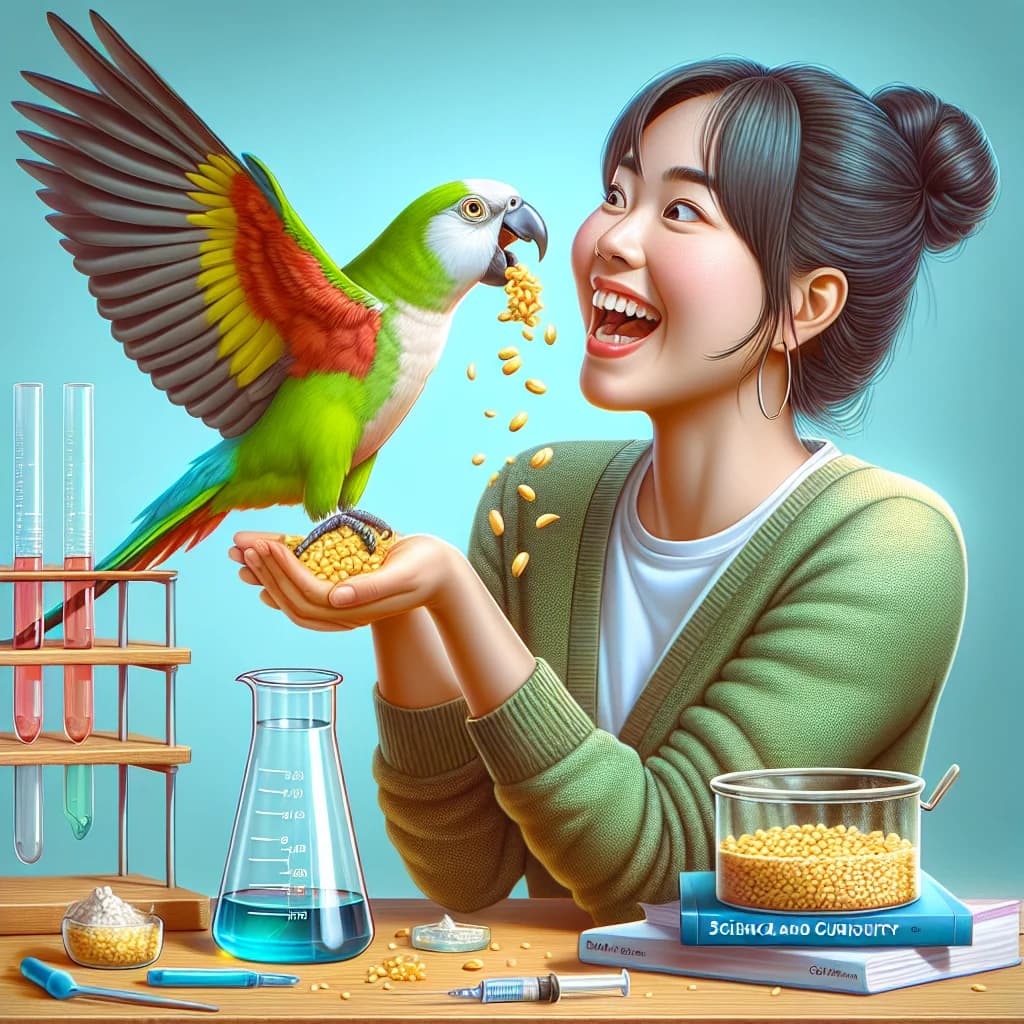
Pet birds regurgitate food for their owners as a profound display of affection and courtship, essentially treating their human as a bonded mate. This behavior stems from natural instincts to provide for partners and offspring, signaling that the bird feels a deep, trusting connection with its caregiver.
The Science of Avian Love: Why Do Pet Birds Sometimes Regurgitate Food Onto Their Owners to Signal Extreme Affection and Courtship?
For many first-time bird owners, a sudden display of head-bobbing followed by the presentation of a small amount of undigested food can be a confusing—and frankly, messy—experience. However, in the complex world of avian social dynamics, this behavior is a profound biological signal. While humans might find it off-putting, for a parrot or a canary, it is an act of high esteem. Understanding why do pet birds sometimes regurgitate food onto their owners to signal extreme affection and courtship is essential for any bird enthusiast aiming to provide proper husbandry and maintain a healthy psychological environment for their feathered companion.
This behavior is not merely a quirk; it is a deeply instinctual response rooted in the evolutionary history of flock animals. By exploring the biological triggers and social implications of regurgitation, owners can better navigate the delicate balance of the human-animal bond.
Understanding Regurgitation: Biology and Purpose
To understand this behavior, one must first distinguish between regurgitation and vomiting. In clinical avian medicine, regurgitation is the voluntary, controlled expulsion of contents from the crop (the ingluvies), a muscular pouch near the throat used for temporary food storage. Conversely, vomiting is an involuntary, often violent ejection of food from the stomach, usually indicating illness.
The Role of the Crop
The crop allows birds to gather food quickly and digest it later in a safe location. In a social context, the crop serves as a "pantry" for sharing resources. In the wild, birds regurgitate food to:
- Feed Altricial Chicks: Providing predigested, nutrient-rich food to vulnerable young.
- Strengthen Pair Bonds: Male birds frequently feed females during nesting to demonstrate their ability to provide as a mate.
When a pet bird directs this toward a human, they are essentially "misidentifying" their owner as a potential mate or a primary flock member.
The Triggers of Courtship Behavior
Avian behaviorists note that regurgitation is often the climax of a series of "proceptive" behaviors—actions intended to initiate a sexual or pair-bonded relationship. Several environmental factors can inadvertently trigger this response in a domestic setting.
1. Hormonal Stimuli
Birds are highly sensitive to their environment. Factors such as increased daylight hours (simulating spring), a high-fat diet, or the presence of nesting materials (shredded paper or dark corners) can elevate reproductive hormones. When these levels peak, the bird seeks an outlet for its parental and mating instincts.
2. Tactile Reinforcement
In the avian world, grooming is restricted to the head and neck among non-mates. When owners pet a bird on the back, under the wings, or near the vent, it can be interpreted as sexual foreplay. This tactile stimulation often leads the bird to view the owner as a reproductive partner, resulting in the "gift" of regurgitated food.
Managing the Human-Animal Bond
While it is tempting to view regurgitation as a compliment, encouraging it can lead to significant health and behavioral issues. Chronic hormonal stimulation can cause "egg binding" in females (a life-threatening medical emergency) or extreme territorial aggression in both sexes.
Evidence-Based Guidelines for Owners
To maintain a healthy, platonic relationship with a pet bird, experts recommend the following:
- Adjust Lighting: Ensure the bird receives 10–12 hours of uninterrupted darkness to reset its internal biological clock.
- Limit Physical Contact: Stick to "head scratches" only. Avoid touching the bird’s body or back.
- Dietary Adjustments: Consult an avian veterinarian about reducing high-calorie or warm, soft foods that may mimic the "mash" fed during breeding season.
- Distraction and Training: When a bird begins to bob its head (the precursor to regurgitation), gently redirect its attention to a toy or a foraging activity.
Conclusion
Understanding why do pet birds sometimes regurgitate food onto their owners to signal extreme affection and courtship provides a window into the sophisticated emotional lives of birds. This behavior is a testament to the strength of the bond the bird feels toward its caretaker, yet it highlights the necessity of maintaining appropriate boundaries. Recognizing the biological roots of regurgitation—from the function of the crop to the triggers of seasonal hormones—empowers owners to provide better care. By managing environmental stimuli and focusing on platonic enrichment, owners can ensure their birds remain healthy, happy, and well-adjusted members of the household. If you notice a sudden change in frequency or if the behavior is accompanied by lethargy, always consult a certified avian veterinarian to rule out underlying health concerns.