Why do pet budgies regurgitate on their owners as a sign of deep affection and courtship
It may seem messy, but when your budgie offers a "gift" from their crop, they’re actually giving you the ultimate avian compliment. Discover the fascinating—if slightly gross—reason why this quirky behavior is the purest sign of your bird’s deep devotion and love.

Too Long; Didn't Read
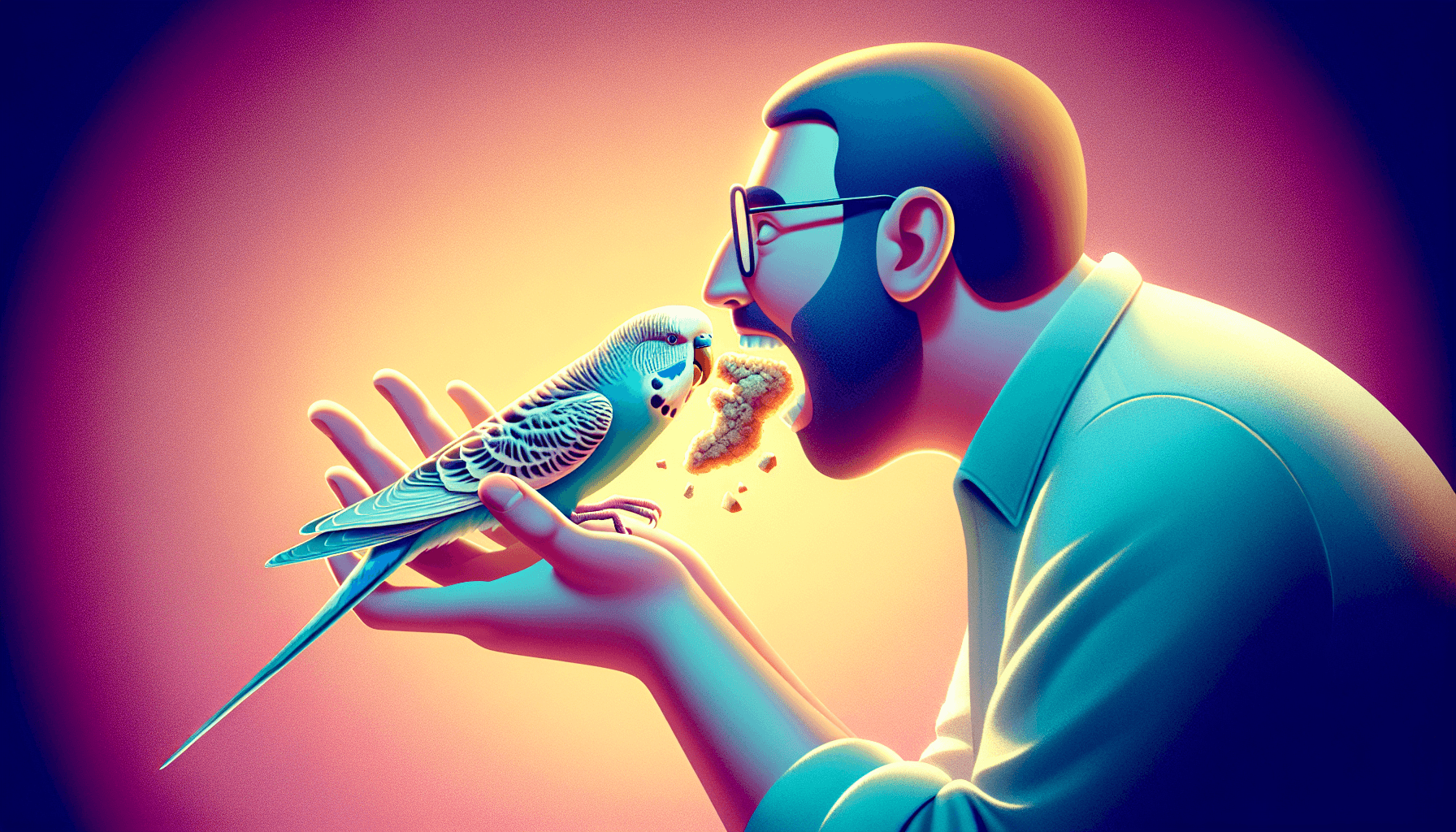
Budgies regurgitate on their owners because they perceive them as their bonded mate. This natural behavior mimics how they feed partners and offspring in the wild, signaling deep affection, trust, and a desire to strengthen their social bond through courtship.
Understanding Avian Bonds: Why Do Pet Budgies Regurgitate on Their Owners as a Sign of Deep Affection and Courtship?
Budgerigars, commonly known as budgies, are highly intelligent and social parrots with complex emotional lives. While many pet owners expect chirps, mimicry, and head scratches, they are often startled by a more peculiar behavior: the delivery of predigested food. In the avian world, this act is far from a digestive mishap; it is a sophisticated biological signal. Understanding why do pet budgies regurgitate on their owners as a sign of deep affection and courtship is essential for any responsible bird keeper. This behavior is deeply rooted in evolutionary biology, serving as a primary method for bonding and providing sustenance within a flock. By exploring the biological mechanisms and social implications of this behavior, owners can better interpret their feathered companions' communication and ensure a healthy, balanced relationship.
The Biology of the Crop: Regurgitation Defined
To understand this behavior, one must first distinguish between regurgitation and vomiting, as they are physiologically distinct. Regurgitation is a voluntary, controlled action where a budgie brings up undigested food from its crop—a muscular pouch located at the base of the esophagus used for temporary food storage.
Unlike vomiting, which is an involuntary sign of illness characterized by forceful head shaking and a distressed appearance, regurgitation is typically accompanied by rhythmic head bobbing and "pinning" of the eyes (rapid dilation and contraction of the pupils). In a healthy budgie, the expelled material is undigested and may appear slightly moistened but not acidic. From a veterinary perspective, voluntary regurgitation is a functional social tool rather than a medical pathology.
Evolutionary Context: Courtship and Survival
In the wild, budgies are opportunistic breeders that rely on strong pair bonds to ensure the survival of their offspring. Regurgitation serves two primary evolutionary purposes:
- Pair Bonding and Courtship: Male budgies regurgitate to "woo" potential mates. By offering food, the male demonstrates his ability to provide for the female and any future chicks. It is the ultimate display of fitness and commitment.
- Parental Care: Both parents use regurgitation to feed their altricial (helpless) chicks. The crop milk and softened seeds provide essential nutrients that are easily digestible for developing birds.
When a pet budgie directs this behavior toward a human, it is a clear indication that the bird has integrated the owner into its social hierarchy as a high-value flock mate or, more specifically, a chosen partner.
Identifying the Signs of Affectionate Regurgitation
Owners often wonder why their pet has singled them out for this display. When a budgie views its owner as its primary social partner, it uses courtship rituals to strengthen that bond. You may notice specific triggers or "pre-regurgitation" signs:
- Targeting specific objects: Budgies may regurgitate on fingers, favorite toys, or even mirrors.
- Vocalizations: Soft chirping or "warbling" often precedes the act.
- Body Language: The bird may stretch its neck, bob its head rhythmically, and attempt to get close to the owner's face or hands.
While this behavior is a profound sign of trust and "love" in the avian sense, it is fueled by hormones. Avian behaviorists note that excessive regurgitation can lead to hormonal frustration or physical exhaustion if the bird becomes obsessed with "feeding" its human companion.
Practical Guidelines for Managing Courtship Behavior
While it is tempting to view regurgitation as a compliment, encouraging it too frequently can lead to behavioral issues, such as territorial aggression or chronic egg-laying in females. To maintain a healthy human-animal bond, consider the following evidence-based strategies:
- Adjust Environmental Triggers: Limit "daylight" hours to 10–12 hours to mimic non-breeding seasons. Use a cage cover to ensure total darkness, which helps stabilize hormones.
- Modify Physical Interaction: Avoid stroking a budgie’s back, wings, or tail, as these are sexually stimulatory areas. Stick to scratching the head and neck.
- Distraction and Enrichment: If a budgie begins to bob its head to regurgitate, gently redirect its attention to a foraging toy or a new environment.
- Dietary Review: Consult with an avian veterinarian regarding high-calorie diets. Excessive seeds can sometimes trigger breeding hormones; a balanced pellet-based diet is often recommended.
Conclusion
Summarizing why do pet budgies regurgitate on their owners as a sign of deep affection and courtship reveals a fascinating intersection of biology and social bonding. While the act may seem unappealing to humans, for a budgie, it is one of the highest forms of social communication, representing a legacy of survival and communal care. Recognizing the difference between this natural behavior and signs of illness is paramount for responsible husbandry. By understanding the hormonal and evolutionary drivers behind regurgitation, owners can appreciate the depth of their bird's affection while implementing boundaries that ensure the bird remains healthy and emotionally balanced. If you notice a sudden change in frequency or if the behavior is accompanied by lethargy, always consult a qualified avian veterinarian to rule out underlying health concerns.