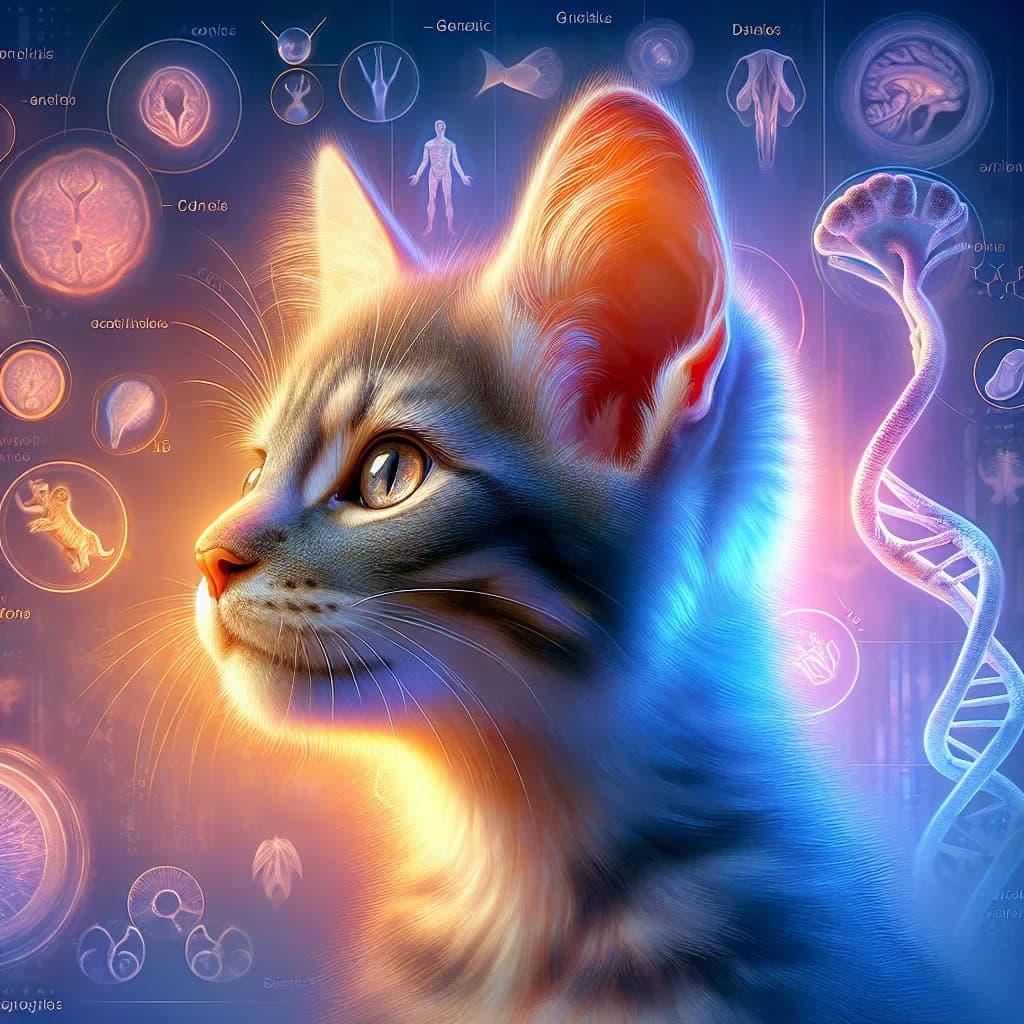
Why do pet cats blink slowly at humans to communicate trust and signal a feline kiss
Ever wonder why your cat gives you that deliberate, half-lidded gaze? Discover the heartwarming science behind the "feline kiss" and how this simple gesture is the ultimate secret to speaking your cat’s love language.

Too Long; Didn't Read
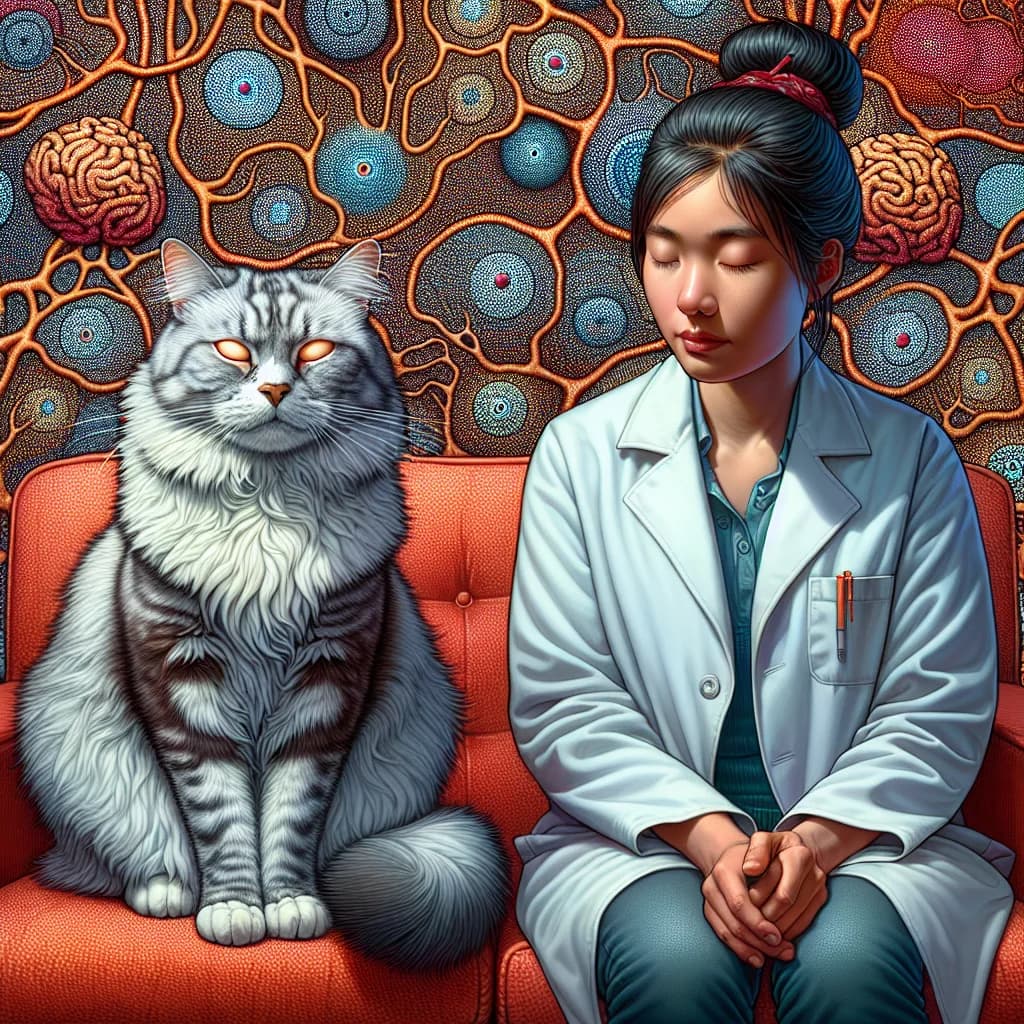
Cats communicate trust and affection by slowly blinking at humans, a gesture known as a feline kiss. This non-threatening behavior signals that the cat feels safe, and owners can strengthen their bond by mirroring the slow blink back to their pet.
The Science of the Feline Kiss: Why Do Pet Cats Blink Slowly at Humans to Communicate Trust?
For centuries, domestic cats have carried a reputation for being aloof and enigmatic, leaving many owners to wonder what their pets are truly thinking. However, recent breakthroughs in feline behavioral science have begun to decode the subtle nuances of cat communication. One of the most significant discoveries involves a behavior often referred to as the "feline kiss." This involves a cat narrowing its eyes and closing them slowly while looking at a human. Understanding why do pet cats blink slowly at humans to communicate trust and signal a feline kiss is essential for any owner wishing to deepen their bond with their companion. This post explores the biological and psychological foundations of the slow blink, highlighting its role as a powerful tool for building mutual confidence and reducing feline stress.
Defining the "Slow Blink" Phenomenon
In the context of animal behavior, the slow blink is characterized by a series of half-blinks (narrowing the eyes) followed by either a prolonged narrowing or a complete closing of the eyes. Unlike the rapid blinking humans use to lubricate the cornea, the feline slow blink is a deliberate, rhythmic movement. In the veterinary community, this is recognized as a "low-arousal" signal, indicating that the cat is in a state of relaxation and does not perceive any immediate threats in its environment.
The Evolutionary Roots of Eye Contact
To understand why this gesture is so significant, one must look at the history of feline evolution. In the wild, both for solitary hunters like the African wildcat (Felis lybica) and for modern domestic cats, direct, unblinking eye contact is a primary signal of confrontation or predatory intent. A "stare-down" is a common precursor to physical aggression or a challenge for territory.
By contrast, the act of closing one's eyes—even for a few seconds—is an act of extreme vulnerability. By voluntarily breaking eye contact and obscuring their vision, a cat is signaling that they do not view the person in front of them as a predator or a competitor. This behavior evolved as a way to maintain social harmony and signal peaceful intentions within a shared space.
What Science Says: The Humphrey Study
The phenomenon of the feline kiss is backed by rigorous animal science. A landmark 2020 study conducted by psychologists at the Universities of Sussex and Portsmouth provided empirical evidence for the efficacy of the slow blink. The research, published in Scientific Reports, yielded two key findings:
- Reciprocity: Cats were significantly more likely to slow-blink at their owners if their owners initiated a slow-blink first.
- Approachability: Cats were more likely to approach a stranger who performed a slow-blink than one who maintained a neutral facial expression.
This data suggests that slow blinking serves as a form of positive emotional communication that transcends the species barrier, functioning much like a human smile to de-escalate tension and foster rapport.
Practical Guidelines: How to "Slow Blink" Back
Because cats are highly sensitive to human facial expressions, owners can use the slow blink as a practical tool for enrichment and trust-building. To perform a feline kiss correctly, follow these evidence-based steps:
- Wait for a Relaxed Moment: Do not force interaction if the cat is hunting, eating, or startled.
- Narrow Your Eyes: Gently narrow your eyelids as if you are relaxed or sleepy.
- Slowly Close and Hold: Close your eyes for one to two seconds, then slowly open them.
- Avert Your Gaze: After the blink, look slightly to the side to ensure the cat does not feel "hunted" by a renewed stare.
This technique is particularly useful in animal shelters or when introducing a new cat to a home, as it provides the animal with a clear, non-threatening signal that they are in a safe environment.
Conclusion
Understanding why do pet cats blink slowly at humans to communicate trust and signal a feline kiss is a vital step toward responsible and empathetic animal care. By recognizing that a simple squint is actually a profound declaration of safety and affection, owners can move past common "aloof" stereotypes and engage with their pets on a more sophisticated level. This behavioral cue is a testament to the complex social lives of cats and their unique evolutionary journey alongside humans. The next time your cat catches your eye from across the room and slowly narrows their lids, remember that you are being offered a gesture of peace—and don't forget to blink back.