Why do pet cats experience a burst of energy after using the litter box due to vagus nerve stimulation
Does your cat sprint like a gold medalist the moment they leave the litter box? Uncover the fascinating science of "poo-phoria" and how a simple nerve reflex turns a routine bathroom break into a high-speed victory lap.

Too Long; Didn't Read
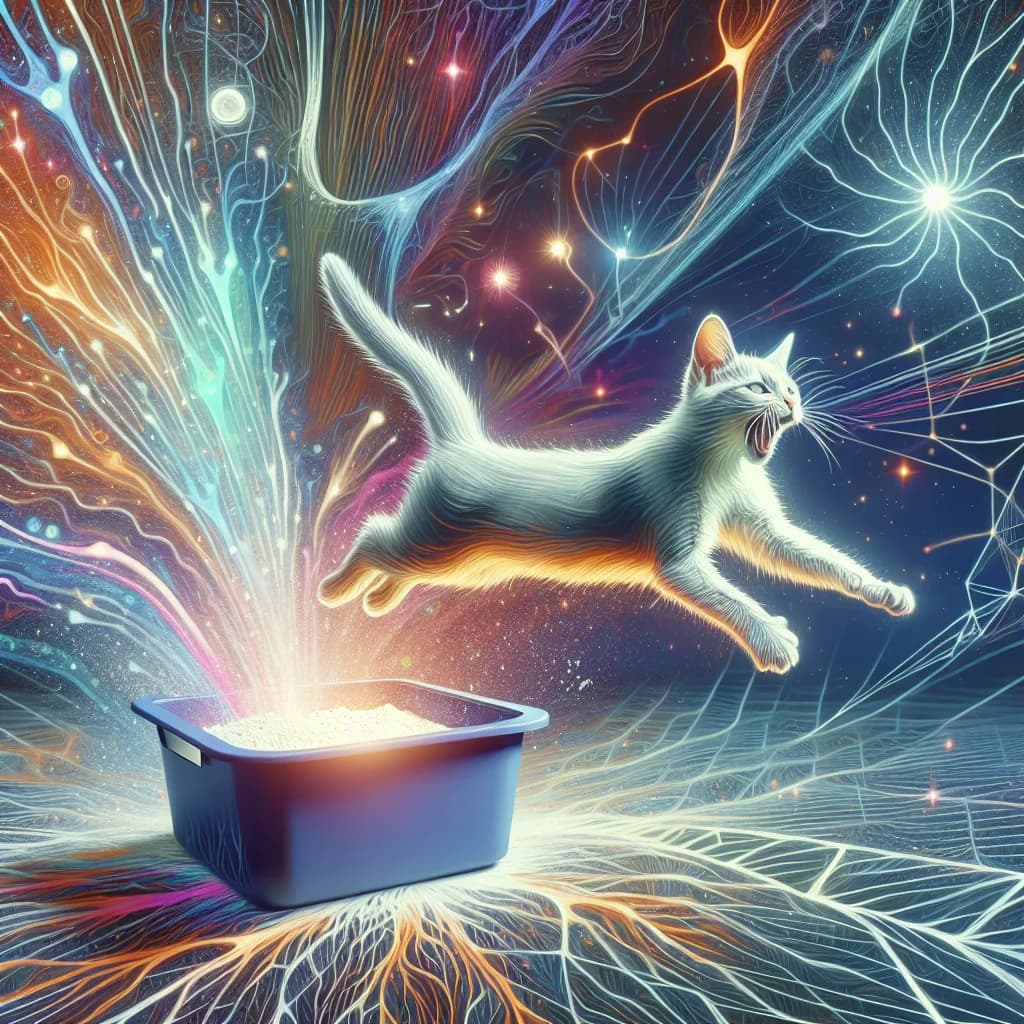
The phenomenon, often called poo-phoria, occurs when the act of defecating stimulates a cat’s vagus nerve. This stimulation triggers a rush of endorphins and a pleasurable sensation, leading to a sudden burst of post-litter box energy known as the zoomies.
The Science of "Poo-Phoria": Why Do Pet Cats Experience a Burst of Energy After Using the Litter Box Due to Vagus Nerve Stimulation?
Every cat owner has witnessed the "post-litter box zoomies." One moment, your cat is calmly tending to their business; the next, they are sprinting through the hallway at top speed, pupils dilated and tail fluffed. While this behavior often provides comedic relief for pet parents, it is actually rooted in a complex intersection of feline anatomy and evolutionary survival instincts. Understanding why do pet cats experience a burst of energy after using the litter box due to vagus nerve stimulation involves looking closely at the "gut-brain axis." This physiological phenomenon, colloquially known as "poo-phoria," is more than just a quirky habit; it is a fascinating glimpse into the biological makeup of our domesticated companions. This blog post will explore the neurological and ancestral reasons behind these sudden bursts of energy to help owners better understand their feline’s health and behavior.
The Vagus Nerve and the "Poo-Phoria" Phenomenon
The primary biological driver behind the post-bathroom sprint is the vagus nerve. In both humans and cats, the vagus nerve is the tenth cranial nerve, serving as a massive superhighway of information between the brain and various internal organs, including the digestive tract.
What is Vagus Nerve Stimulation?
When a cat has a bowel movement, the physical act of passing stool can stimulate the vagus nerve. Specifically, the distension of the rectum triggers this nerve, which can lead to a sudden drop in blood pressure and heart rate, followed by a compensatory surge of adrenaline and endorphins. In humans, this sensation is often described as a feeling of relief or a slight "high." In cats, this neurological "rush" manifests as a sudden, intense burst of physical energy.
Defining "Poo-Phoria"
Veterinary behaviorists often use the term "poo-phoria" to describe this euphoric state. Because cats are smaller and have a highly reactive nervous system, the release of neurotransmitters like serotonin and dopamine following vagus nerve stimulation is often more visible than it is in other species. This chemical reward system encourages the cat to move, resulting in the high-speed laps around the living room.
Evolutionary Instincts and Survival
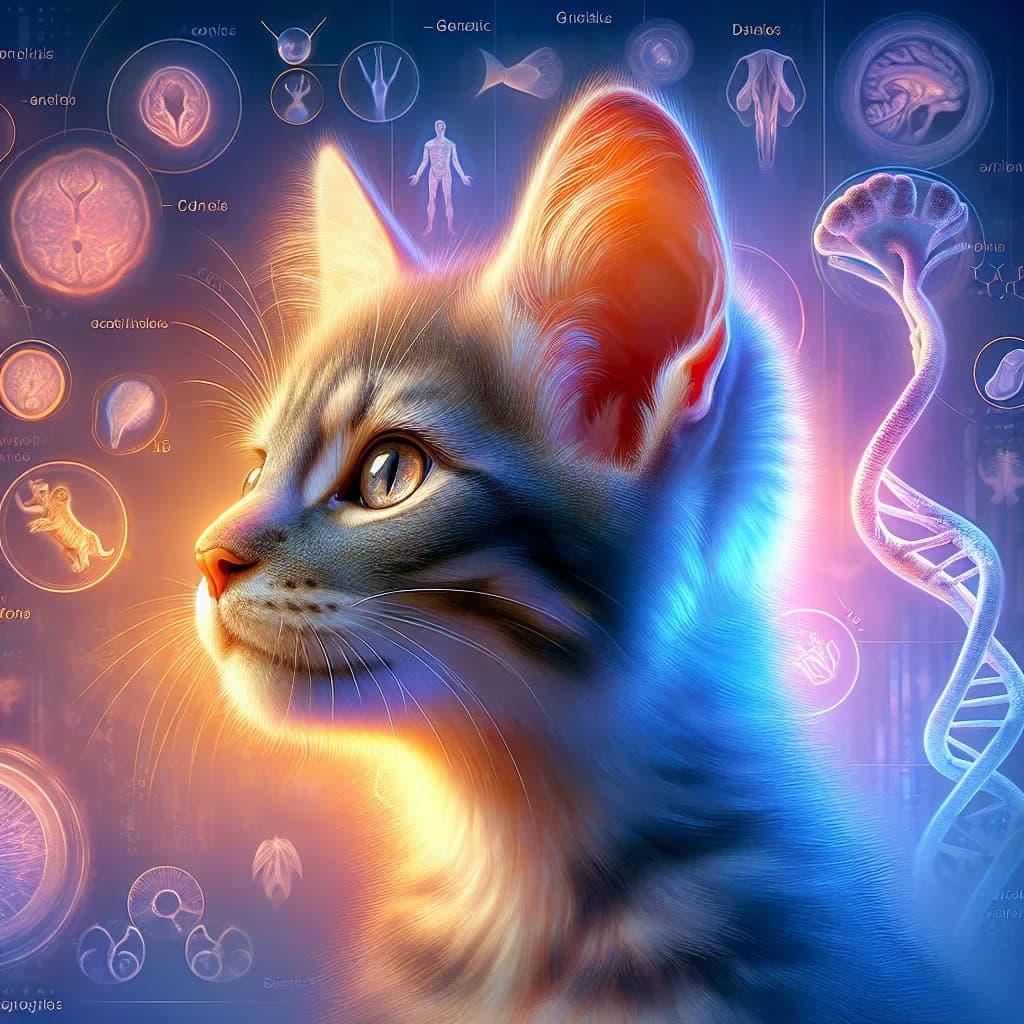
While the vagus nerve provides the physiological "how," evolutionary history provides the "why." Domestic cats (Felis catus) share 95.6% of their DNA with tigers and descend from the North African wildcat (Felis lybica). In the wild, survival depends on being both a master hunter and a master of disguise.
- Scent Masking: In a natural environment, waste is a neon sign for predators. Leaving feces in one spot identifies a cat's location. Sprinting away immediately after using the "latrine" is an ancestral survival tactic designed to put as much distance as possible between the cat and the scent trail that might attract a larger predator.
- The "Vulnerable Moment" Recovery: Using the litter box is a moment of extreme vulnerability. Once the task is complete, the burst of energy serves as a "reset" for the cat’s fight-or-flight system, ensuring they are alert and mobile should an enemy be nearby.
Distinguishing Between Joy and Distress
While most post-litter box energy is a healthy sign of a functioning nervous system, it is important for owners to distinguish between "poo-phoria" and discomfort.
Signs of Healthy Energy
- A quick, confident sprint.
- Playful "hunting" behavior (pouncing on toys).
- Occasional scratching of a scratching post after exiting the box.
Signs of Potential Medical Issues
If the "zoomies" are accompanied by the following, it may indicate constipation, urinary tract infections (UTIs), or digestive inflammation rather than vagus nerve stimulation:
- Vocalizing or yowling while inside or immediately after leaving the box.
- Straining or spending excessive time in the box.
- Feces that are extremely hard, dry, or contain blood.
- Running specifically to hide under furniture rather than playing.
Conclusion
Understanding why do pet cats experience a burst of energy after using the litter box due to vagus nerve stimulation allows owners to appreciate the intricate biological systems at work within their pets. This behavior is a unique combination of a vasovagal response—the "poo-phoria" high—and deep-seated evolutionary instincts that once kept their ancestors safe in the wild. By recognizing the difference between a joyful neurological rush and signs of digestive distress, you can ensure your cat remains happy and healthy. As always, if your cat’s bathroom habits change significantly or they appear to be in pain, consult with a veterinarian to rule out underlying medical conditions. Embracing these feline quirks is part of the joy of responsible pet ownership and helps strengthen the bond between you and your cat.