Why do pet cats have sandpaper-like tongues covered in tiny backward-facing hooks made of keratin
Ever wondered why a simple lick from your cat feels like a scrub with sandpaper? Discover the hidden biological genius behind those tiny keratin hooks and how they transform your pet’s tongue into the ultimate multi-tool for survival.

Too Long; Didn't Read
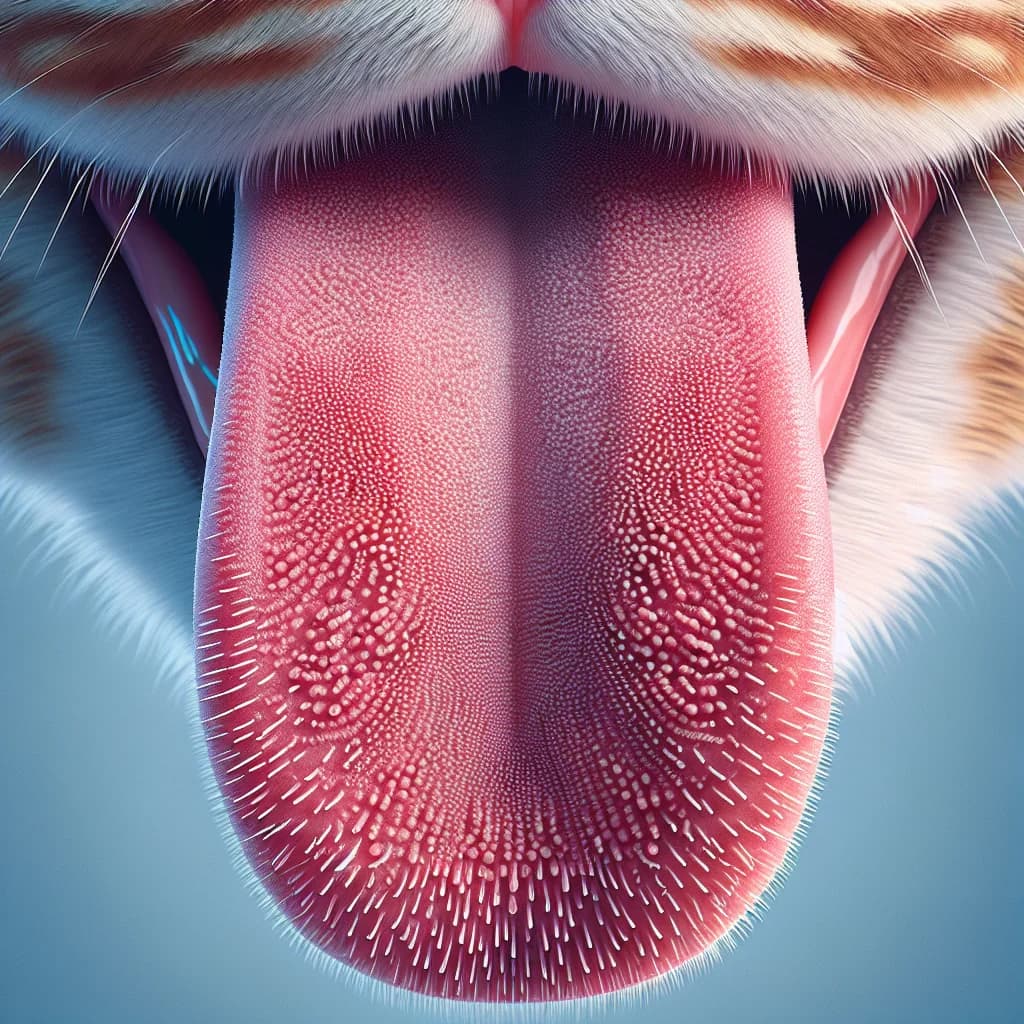
Cats have rough tongues covered in tiny keratin hooks called papillae, which function as natural combs for grooming, help strip meat from bones during feeding, and efficiently spread saliva to regulate body temperature.
The Science of the Scratchy Kiss: Why do pet cats have sandpaper-like tongues covered in tiny backward-facing hooks made of keratin?
If you have ever been "groomed" by your feline companion, you are well aware of the distinct, rasping sensation of their tongue. It feels less like a soft lick and more like a piece of coarse sandpaper passing over your skin. This unique tactile experience is caused by thousands of microscopic, backward-facing hooks that define feline oral anatomy. But these structures are far more than just a sensory quirk; they are sophisticated biological tools essential for survival.
So, why do pet cats have sandpaper-like tongues covered in tiny backward-facing hooks made of keratin? Understanding the evolutionary and functional purpose of these structures, known as filiform papillae, offers a deeper look into feline husbandry, health, and the transition from wild predators to domestic companions. This post will explore the biological makeup of the feline tongue and how these "hooks" serve as a multi-purpose tool for grooming, feeding, and hydration.
The Biological Blueprint: Filiform Papillae and Keratin
The "sandpaper" texture of a cat’s tongue is attributed to filiform papillae. These are small, cone-shaped protrusions that curve backward toward the throat. Unlike the soft, rounded papillae found on human tongues that house taste buds, filiform papillae are rigid and specialized for mechanical tasks.
These hooks are composed of keratin—the same tough, fibrous protein that forms a cat’s claws, whiskers, and fur, as well as human fingernails. According to a 2018 study published in the Proceedings of the National Academy of Sciences (PNAS), these papillae are not solid cones but are actually U-shaped at the tips. This hollow-shaped structure allows the cat to wick saliva from the mouth and distribute it deep into their fur, reaching all the way to the skin.
A Built-in Grooming System
The primary reason pet cats have these backward-facing hooks is for meticulous self-grooming. In the wild, a clean coat is a matter of life and death.
- Debris Removal: The hooks act like a fine-toothed comb, snagging loose fur, dirt, and parasites (like fleas) that a smooth tongue would miss.
- Thermoregulation: Because cats have limited sweat glands, they rely on the evaporation of saliva to cool down. The keratin hooks penetrate the dense undercoat, ensuring saliva reaches the skin for efficient heat dissipation.
- Scent Management: For a solitary hunter, smelling like "prey" or "predator" is a disadvantage. The papillae help remove food particles and external odors, allowing the cat to remain "scent-neutral."
Predatory Origins: The Rasping Tool
While our domestic cats mostly hunt kibble or canned pate, their tongues are still designed for the diet of an obligate carnivore. Historically, the ancestors of the domestic cat (Felis lybica) relied on their tongues to maximize nutrient intake.
The backward-facing hooks are sharp and strong enough to rasp meat away from the bones of prey. This ensures that no calorie goes to waste. In larger felids, such as lions and tigers, these papillae are even more pronounced, capable of stripping feathers or fur off a carcass with just a few licks. Your pet cat retains this exact anatomical hardware, a vestigial reminder of their life as a high-efficiency desert predator.
Innovation in Hydration
The sandpaper-like tongue also plays a critical role in how cats drink. Unlike dogs, who lap water by creating a "ladle" with their tongues, cats use a more elegant fluid dynamics approach. They lightly touch the surface of the water with their tongue and pull it upward rapidly. The filiform papillae help create a column of liquid through surface tension, which the cat then snaps shut in their jaws before gravity pulls the water back down.
Practical Implications for Cat Owners
Understanding this anatomy is vital for responsible pet ownership. Because the hooks face backward, anything a cat snags on its tongue—such as loose fur or pieces of string—is naturally pushed toward the throat. This explains why cats are prone to:
- Hairballs (Trichobezoars): The hooks are so efficient at collecting fur that the cat inevitably swallows it. Regular brushing can assist the "sandpaper" tongue in managing the shed.
- Linear Foreign Body Ingestion: If a cat starts licking yarn or tinsel, the backward-facing hooks make it difficult for them to spit it out, often forcing them to swallow dangerous materials.
Conclusion
In summary, why do pet cats have sandpaper-like tongues covered in tiny backward-facing hooks made of keratin? It is because these structures are the ultimate multi-tool, evolved over millennia to facilitate expert grooming, efficient hunting, and precision hydration. By viewing the feline tongue as a sophisticated instrument of survival rather than just a rough texture, owners can better appreciate the complex biology of their pets. Recognizing the efficiency of these keratin hooks underscores the importance of regular coat maintenance and environmental safety, ensuring our domestic "little lions" remain healthy and well-groomed.