Why do pet cats instinctively raise their hindquarters when petted at the base of their tail
Ever wonder why your cat’s backside shoots up like an elevator the moment you scratch that "sweet spot" near their tail? Discover the surprising mix of biology and social signaling behind this quirky feline behavior that every cat owner has witnessed.

Too Long; Didn't Read
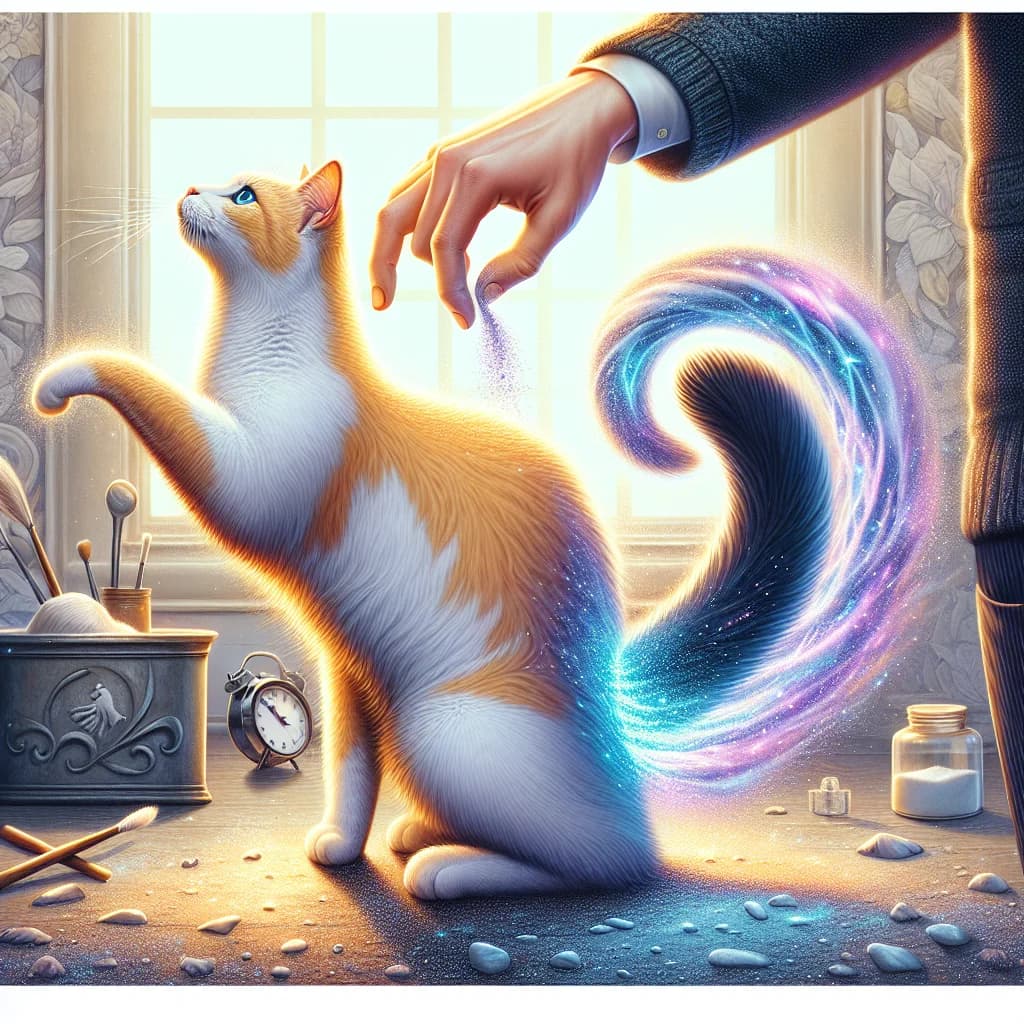
Cats raise their hindquarters when petted at the base of the tail because the area is highly sensitive and packed with nerve endings, making the sensation intensely pleasurable. This behavior, often called elevator butt, is a friendly communication tool rooted in kittenhood instincts and serves as a sign of trust, affection, and social bonding.
The Science of the "Elevator Butt": Why Do Cats Instinctively Raise Their Hindquarters When Petted?
Every cat owner is familiar with the phenomenon: you reach out to scratch your feline friend right at the base of their tail, and their front half stays low while their rear end shoots upward like a mechanical lift. Often referred to by enthusiasts as the "elevator butt," this quirky physical response is nearly universal across the domestic feline world. While it may look comical, this reaction is far from accidental. It is a deeply rooted behavioral and physiological response that spans from a cat's earliest days as a kitten to its complex social communication as an adult. Understanding why pet cats instinctively raise their hindquarters when petted at the base of their tail is essential for deciphering feline body language and strengthening the human-animal bond through informed, respectful interaction.
A Nexus of Nerves: The Biological Trigger
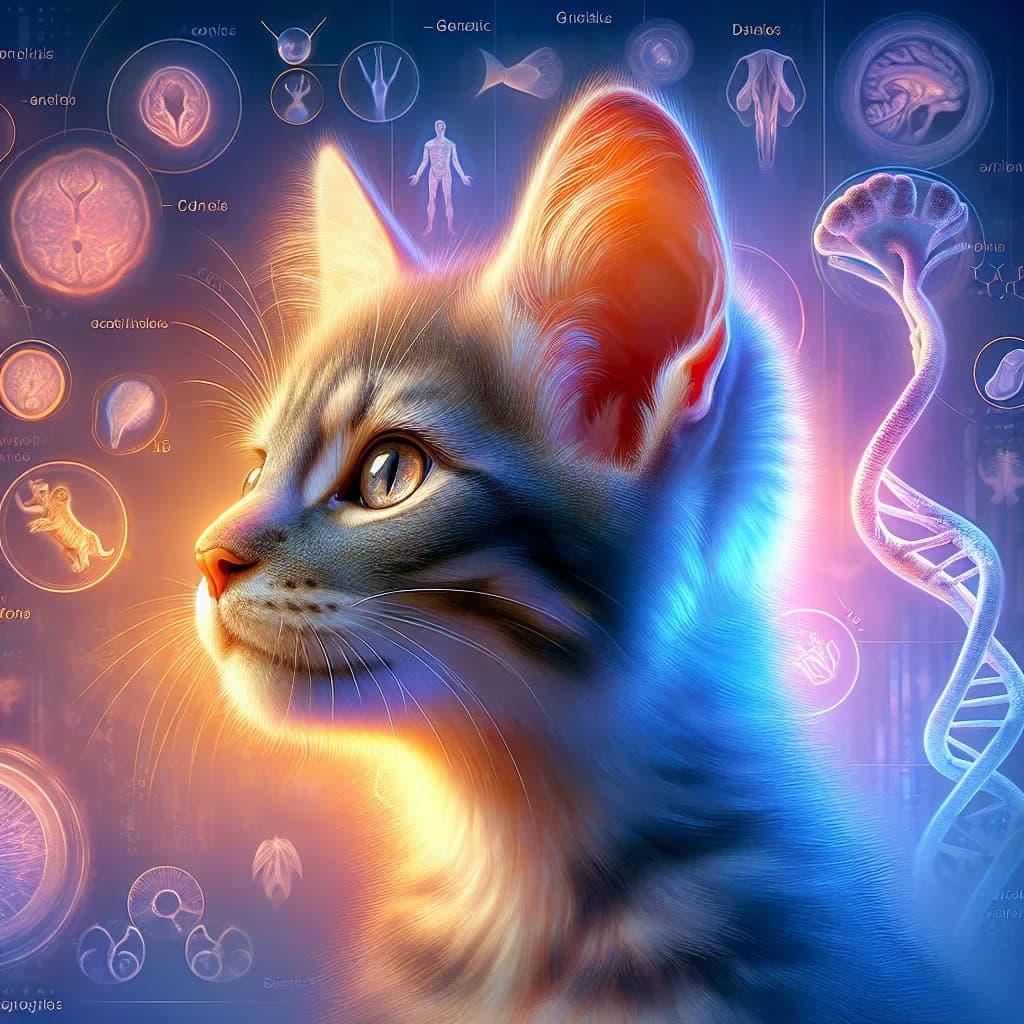
The primary reason cats react so strongly to pressure at the base of the tail is biological. This specific area, located just above the tail’s starting point, is a concentrated hub of nerve endings known as the sacral plexus. This neurological "sweet spot" is highly sensitive to touch.
When a human pets this area, the stimulation sends intense signals to the cat’s brain. For many cats, this provides a pleasurable sensation similar to a deep-tissue massage. The "elevator" response is often a way for the cat to lean into the pressure, effectively asking for more. However, because this area is so densely packed with nerves, there is a fine line between pleasure and overstimulation. Veterinary behaviorists note that some cats may suddenly turn and nip or swat after being petted here; this is often a sign of "hyperesthesia," where the sensory input becomes overwhelming or even painful.
Developmental Roots: The Kitten Instinct
To understand the "why" behind the posture, we must look at feline development. When kittens are nursing, the mother cat grooms them to maintain hygiene and stimulate vital bodily functions.
The Grooming Reflex
During the first few weeks of life, a kitten cannot eliminate waste on its own. The mother cat licks the kitten’s perineal area to stimulate urination and defecation. Instinctively, the kitten lifts its hindquarters to provide the mother with better access. While adult cats no longer require this assistance, the physical memory of lifting the rear when touched in that vicinity often persists into adulthood as a reflexive "vestigial" behavior associated with being cared for.
Social Signaling and Scent Marking
In the feline world, body language is the primary mode of communication. Raising the tail and hindquarters is a significant social signal.
- Trust and Vulnerability: By raising their rear, a cat is exposing a vulnerable part of its body. In the wild, showing one’s backside to another animal is a sign of extreme trust. When your cat does this to you, they are essentially acknowledging you as a safe, "parental" figure or a high-ranking social ally.
- Scent Presentation: Cats possess scent glands (anal glands) located near the base of the tail and the anus. These glands produce unique pheromones that act as a biological "ID card." By lifting their hindquarters, cats are making their scent more accessible. In feline social circles, "butt-sniffing" is a standard greeting; when your cat presents their rear to you, they are technically offering a friendly, olfactory introduction.
The Role of Reproductive Hormones
In unspayed female cats, this posture has a specific reproductive function known as lordosis. When a female cat is in estrus (in heat), she will frequently drop her front end and raise her hindquarters while treading her back feet. This is a clear biological signal to male cats that she is receptive to mating. While spayed cats still exhibit the "elevator butt" response due to the nerve sensitivity mentioned earlier, the behavior is significantly more pronounced and frequent in intact females due to hormonal influences.
Guidelines for Responsible Interaction
While most cats enjoy a good scratch at the base of the tail, owners should monitor their pet's body language to ensure the interaction remains positive.
- Watch for Tail Flicking: If the tail begins to lash back and forth rapidly, the cat is likely becoming overstimulated.
- Observe Skin Twitching: If the skin on the cat's back ripples or twitches, it is a sign that the nerve endings are being overwhelmed.
- Respect the "No": If a cat moves away or hides their rear, do not force the interaction. Every cat has a different threshold for sensory input.
Conclusion
The "elevator butt" is more than just a funny feline quirk; it is a fascinating intersection of neurology, developmental biology, and social communication. From the high density of nerves in the sacral plexus to the lingering instincts of kittenhood and the complex world of pheromonal signaling, this behavior offers a unique window into the feline psyche. By recognizing why cats raise their hindquarters, owners can better interpret their pets' needs and boundaries. Understanding these subtle biological cues is a hallmark of responsible ownership, ensuring that our interactions with our feline companions are grounded in empathy and scientific insight. Always consult with a veterinarian if you notice sudden sensitivity or aggression regarding touch, as this can sometimes indicate underlying medical issues.