Why do pet frogs retract their eyeballs into their heads to help push food down their throats while swallowing
Ever wonder why your frog’s eyes disappear every time they take a bite? Discover the bizarre "living piston" mechanism amphibians use to literally shove dinner down their throats with their own eyeballs.

Too Long; Didn't Read
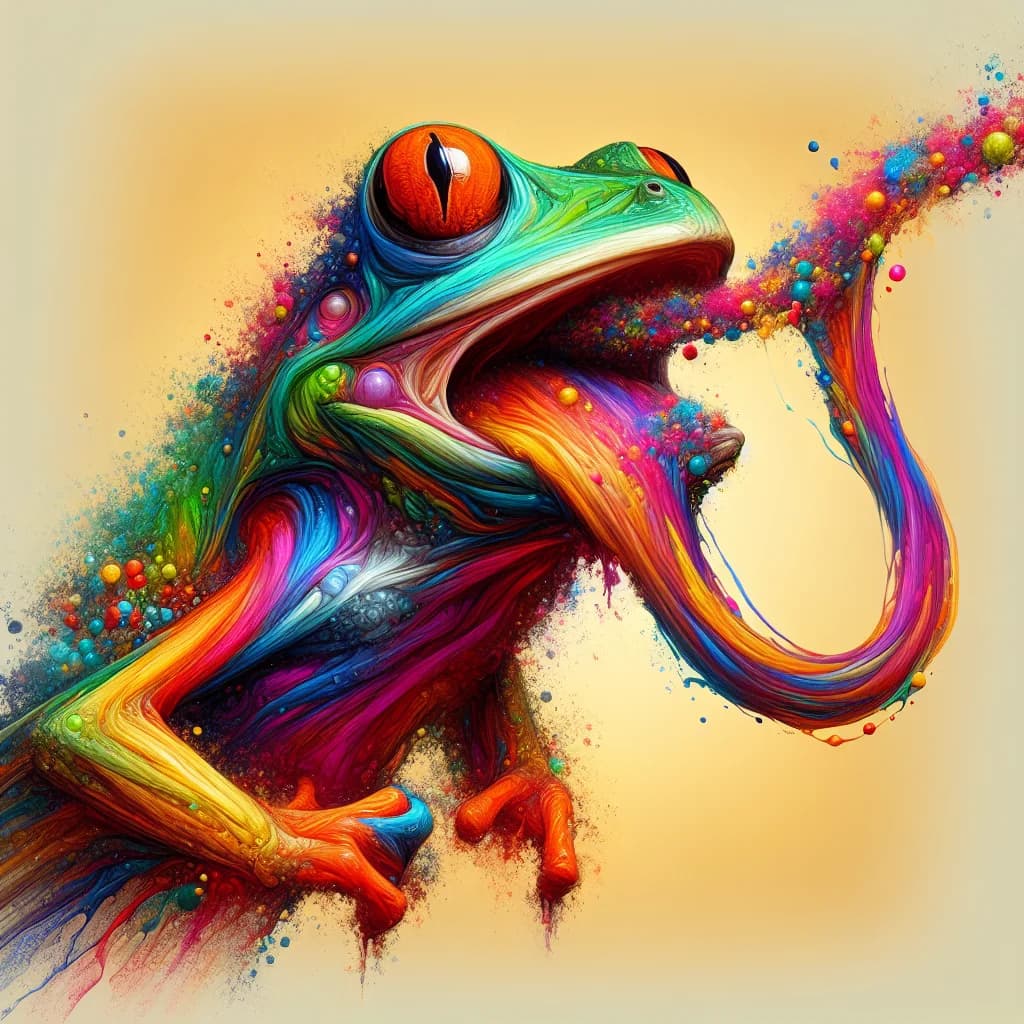
Frogs retract their eyeballs because they lack strong throat muscles to move food independently. By pulling their eyes into their skull, they create downward pressure that physically pushes prey through the esophagus and into the stomach.
Seeing the Meal Through: Why Do Pet Frogs Retract Their Eyeballs Into Their Heads to Help Push Food Down Their Throats While Swallowing?
If you have ever watched a pet frog—whether it’s a popular White’s Tree Frog or a colorful Pacman Frog—during feeding time, you may have noticed a bizarre and slightly unsettling behavior. As the frog secures its prey, its eyes appear to sink deep into its skull, momentarily disappearing behind its eyelids. To a casual observer, this looks like an intense, exaggerated blink. However, in the world of herpetology, this is known as a functional biomechanical process. Unlike mammals, who use complex jaw movements and tongues to manipulate food, frogs have evolved a unique anatomical "workaround." Understanding why do pet frogs retract their eyeballs into their heads to help push food down their throats while swallowing is essential for any keeper who wishes to appreciate the specialized biology of these fascinating amphibians. This post explores the science behind this "eye-swallowing" mechanism and why it is vital for their survival and health.
The Biomechanics of the Oropharyngeal Push
The primary reason frogs retract their eyes is that they lack the complex hardware most land vertebrates use to swallow. Most mammals possess a hard, bony palate (the roof of the mouth) that separates the oral cavity from the nasal passages and provides a stable surface for the tongue to press against. Frogs, however, have a very thin or even incomplete "soft" palate.
Directly above this soft membrane sit the frog’s large, protruding eyeballs. When a frog captures prey, it needs a way to force that prey from the mouth into the esophagus. By retracting the eyeballs downward through the openings in the skull, the frog uses the globes of its eyes as physical pistons. This movement effectively narrows the space in the mouth and pushes the food bolus backward toward the throat.
The Role of the Retractor Bulbi Muscle
This process is controlled by a specialized set of muscles known as the retractor bulbi. When these muscles contract, they pull the eyes into the oropharyngeal cavity. Veterinary studies using high-speed X-ray cinematography have confirmed that without this ocular descent, many species of frogs struggle to move larger or more "difficult" prey items into the stomach. Once the food has passed into the esophagus, the levator bulbi muscles contract to return the eyes to their normal, protruding position.
Evolutionary Efficiency and Diet
Frogs are "gape-limited" predators, meaning they generally swallow their prey whole and alive. Because they do not chew, the mechanical challenge of moving a struggling insect or a large worm down a relatively short throat is significant.
- Lack of Chewing: Since frogs have few or no functional teeth (some have maxillary teeth for gripping, but none for grinding), they cannot break food down into smaller pieces.
- Tongue Limitations: While a frog’s tongue is excellent at catching prey, it is often not positioned to push food deep into the throat.
- Energy Conservation: Retracting the eyes is an energetically "cheap" way to assist digestion compared to developing a complex muscular throat and jaw structure.
What This Means for Pet Frog Husbandry
For pet owners, witnessing this behavior is a sign of a healthy, functioning feeding response. However, understanding the mechanics of the "eye-push" can help you provide better care for your amphibian:
- Prey Size Matters: If a frog is retracting its eyes excessively or repeatedly for a single meal, the prey item may be too large. A general rule is that the prey should be no wider than the space between the frog's eyes.
- Hydration and Lubrication: Swallowing is much harder for a frog if its mucous membranes are dry. Maintaining proper humidity levels in the terrarium ensures that the mouth remains lubricated, making the eye-assisted swallow more efficient.
- Observation: If a frog strikes at food but cannot successfully retract its eyes or swallow, it could indicate a neurological issue or a metabolic bone disease affecting the skull structure, requiring a visit to an exotics veterinarian.
Conclusion
The phenomenon of a frog retracting its eyeballs to swallow is one of nature’s most ingenious evolutionary adaptations. By repurposing their visual organs as mechanical tools for digestion, frogs have bridged a biological gap created by their lack of a hard palate and chewing teeth. Recognizing why do pet frogs retract their eyeballs into their heads to help push food down their throats while swallowing allows keepers to better monitor their pets' feeding habits and overall well-being. This behavior is not just a quirky trait; it is a vital component of amphibian anatomy that has allowed these creatures to thrive for millions of years. As a responsible owner, observing these natural behaviors with a scientific lens ensures you can provide an environment that supports your frog’s unique biological needs.