Why do pet cats instinctively seek out cardboard boxes to reduce their stress and conserve body heat
Your cat’s obsession with that empty delivery box isn’t just a quirky habit; it’s a sophisticated survival strategy for instant calm and cozy warmth. Discover the fascinating science behind why cardboard is the ultimate biological "security blanket" for your feline friend.

Too Long; Didn't Read
Cats use cardboard boxes as secure hiding spots to lower anxiety and as effective insulation to maintain their high body temperatures without wasting energy.
The Science of the Square: Why Do Pet Cats Instinctively Seek Out Cardboard Boxes to Reduce Their Stress and Conserve Body Heat?
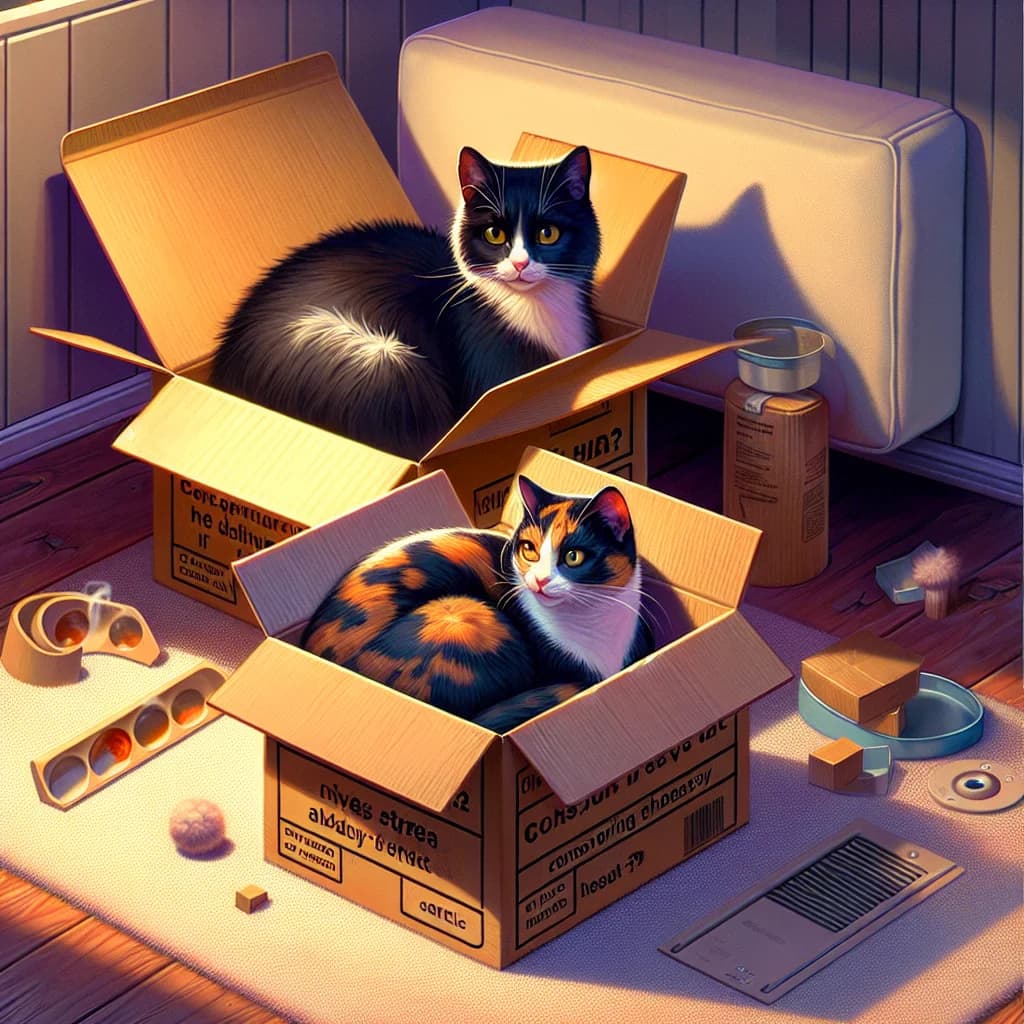
It is a scene familiar to every cat owner: you purchase an expensive, multi-level cat tree or a plush orthopedic bed, only for your feline companion to ignore the gift in favor of the cardboard shipping container it arrived in. While this behavior is often dismissed as a quirky feline eccentricity, it is actually rooted in deep-seated evolutionary biology and survival instincts. For a domestic cat, a cardboard box is not just a toy; it is a sophisticated tool for environmental management. Understanding why do pet cats instinctively seek out cardboard boxes to reduce their stress and conserve body heat provides essential insight into feline welfare and the subtle ways our pets navigate their domestic world. This post explores the ethological and physiological drivers behind this behavior, highlighting how a simple box fulfills a cat’s most fundamental needs.
The Psychological Fortress: Stress Reduction and Safety
The primary reason cats gravitate toward boxes is the psychological security provided by enclosed spaces. As solitary ambush predators, cats have evolved to seek out "hiding spots" that offer a 360-degree view of their surroundings while keeping their own profile hidden.
Coping Mechanisms and Conflict Avoidance
Ethologists note that cats do not possess highly developed social conflict resolution strategies. Unlike pack animals that may use complex vocalizations or submissive postures to de-escalate a fight, a cat’s first line of defense is avoidance. A cardboard box serves as a "safe zone" where the animal can observe the environment without the pressure of direct interaction.
Scientific Evidence from Shelters
The impact of boxes on feline health is backed by veterinary research. A notable study conducted by the University of Utrecht focused on shelter cats—animals experiencing high levels of environmental stress. The research found that cats provided with hiding boxes adapted to their new environment significantly faster than those without. The "boxed" cats showed lower cortisol levels and were more likely to engage with humans sooner, proving that boxes are a critical tool for stress management in unfamiliar or high-traffic settings.
The Physiological Advantage: Thermal Regulation and Insulation
Beyond the psychological benefits, there is a significant biological reason why do pet cats instinctively seek out cardboard boxes to reduce their stress and conserve body heat: the feline "thermoneutral zone."
Understanding the Feline Thermoneutral Zone
The thermoneutral zone is the temperature range in which an animal does not need to expend energy to maintain its internal body temperature. For a domestic cat, this range is approximately 86 to 97 degrees Fahrenheit (30 to 36 degrees Celsius). Most human homes are kept between 68 and 72 degrees Fahrenheit. Consequently, the average living room feels slightly chilly to a cat, requiring their metabolism to work harder to stay warm.
Cardboard as an Insulator
Cardboard is a phenomenal insulator. Corrugated cardboard consists of two flat layers with a "fluted" or wavy layer in between, which traps pockets of air. When a cat curls up in a small box, their own body heat is reflected back to them, creating a localized microclimate that sits much closer to their ideal thermoneutral zone. This conservation of energy is a vital survival instinct inherited from their wild ancestors.
Practical Enrichment: Integrating Boxes into Feline Care
Understanding the science behind this behavior allows owners to provide better husbandry and care. To maximize the benefits of boxes for your pet, consider the following evidence-based guidelines:
- Size Matters: A box should be small enough that the cat’s body touches the sides when curled up, maximizing heat retention and the "swaddling" effect that reduces anxiety.
- Vertical Placement: Placing a box on a high shelf or sturdy table combines the safety of an enclosure with the feline instinct to seek high vantage points.
- Quiet Zones: Place boxes in low-traffic areas of the home to provide a true sanctuary for rest and recovery.
- Safety First: Always remove staples, plastic packing tape, and handles that could pose a choking or entanglement risk.
Conclusion
The next time your cat leaps into a discarded delivery box, remember that you are witnessing an ancient survival strategy in action. Understanding why do pet cats instinctively seek out cardboard boxes to reduce their stress and conserve body heat allows us to appreciate the complex biological needs of our feline companions. These simple structures provide a sense of security that lowers cortisol and an insulating microclimate that supports metabolic health. By respecting and encouraging this natural behavior, we can significantly improve the welfare of our indoor cats. Providing access to various hiding spots is a low-cost, high-impact way to ensure your pet feels safe, warm, and secure in their environment. When in doubt, leave the box out—it is often exactly what your cat needs to thrive.